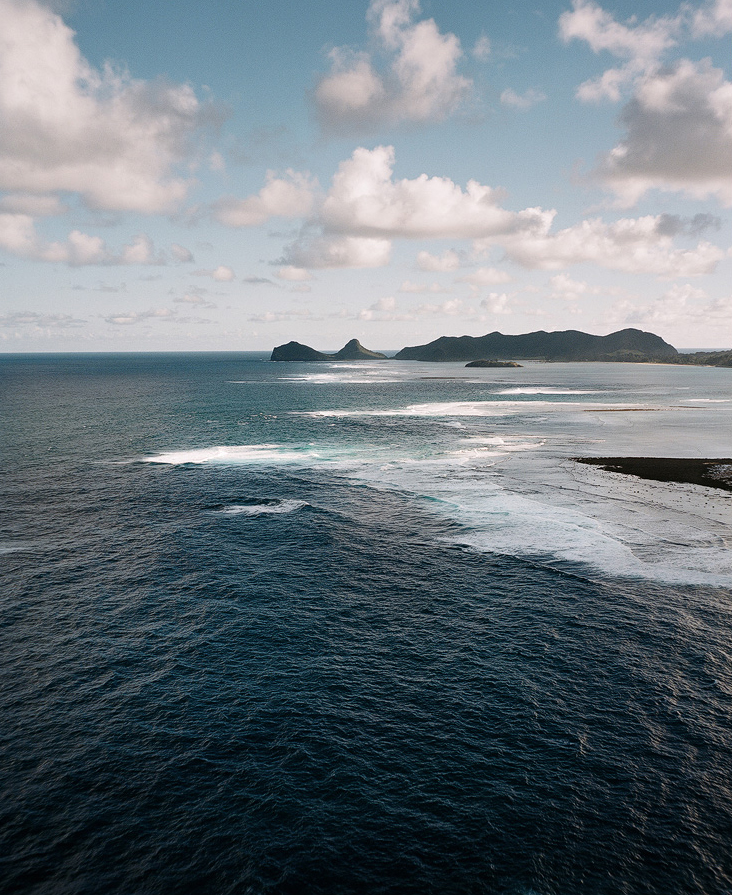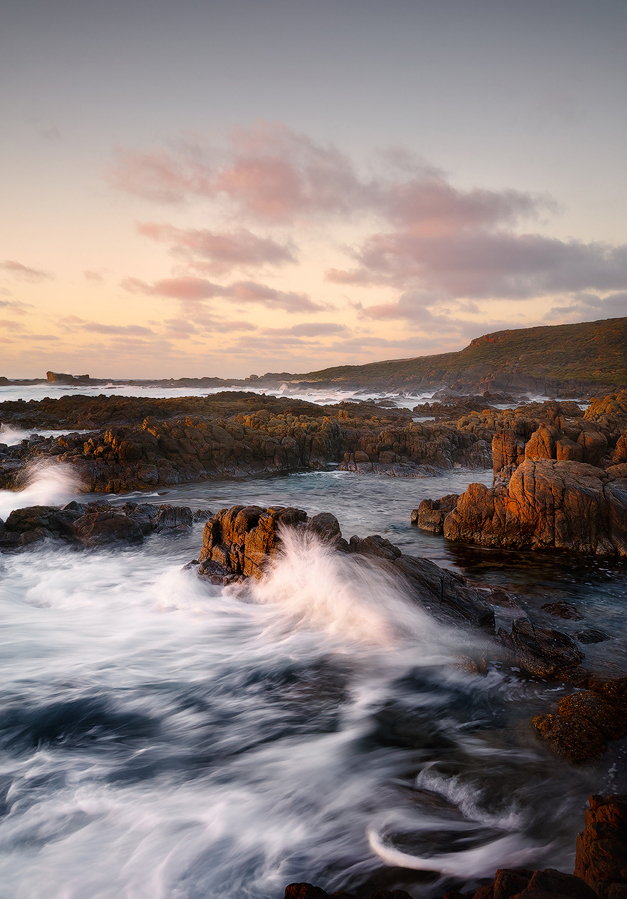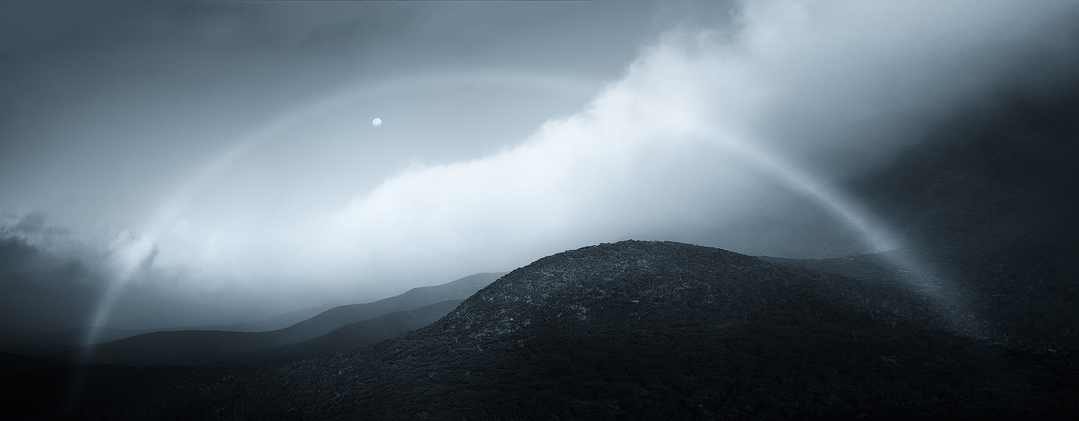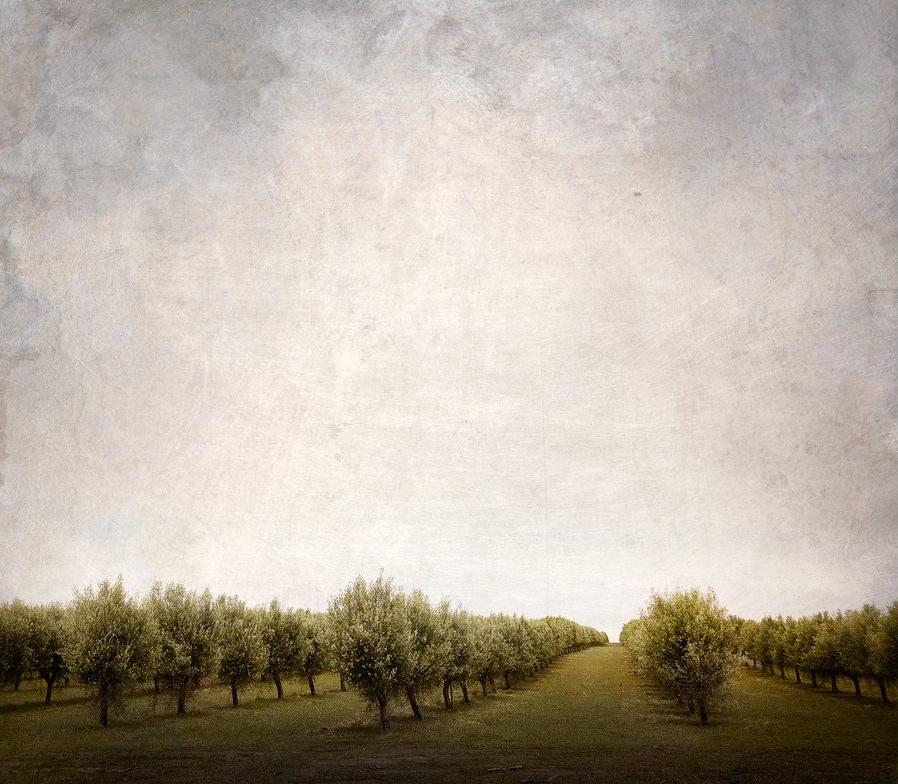
Taking The Long Way To The Main Range Track, Kosciusko National Park

Earlier this year myself and my friend headed the long way down to Jindabyne via Tumut to tackle the Main Range Track. The Main Range is a 21km-odd track within the Kosciusko National Park taking in everything from glacial lakes to dramatic alpine tors. It had been a while since I had travelled, or hiked, since COVID, so expectations were high.

We found this abandoned service station in Marulan, a former highway town. I love places like this which sum up the Australian roadtrip experience.

We found this abandoned service station in Marulan, a former highway town. I love places like this which sum up the Australian roadtrip experience.

We headed off the main highway through some of the smaller towns the highway has forgot, such as Marulan. As always, I’m a sucker for anything abandoned and old, retro and interesting. I was also quite fond of the mix between old and new in Goulburn. I still enjoy this type of photography, seeking out the mundane. When I’m looking for things to photograph, I don’t consider the subject at all, but instead look at things only in terms of shape, line and colour. I have found it helps if whatever I’m shooting is also in direct sunlight.

I became obsessed with signage during this trip, trying to lend a bit of space to my compositions far more than I normally would and ‘group’ elements together.

I became obsessed with signage during this trip, trying to lend a bit of space to my compositions far more than I normally would and ‘group’ elements together.

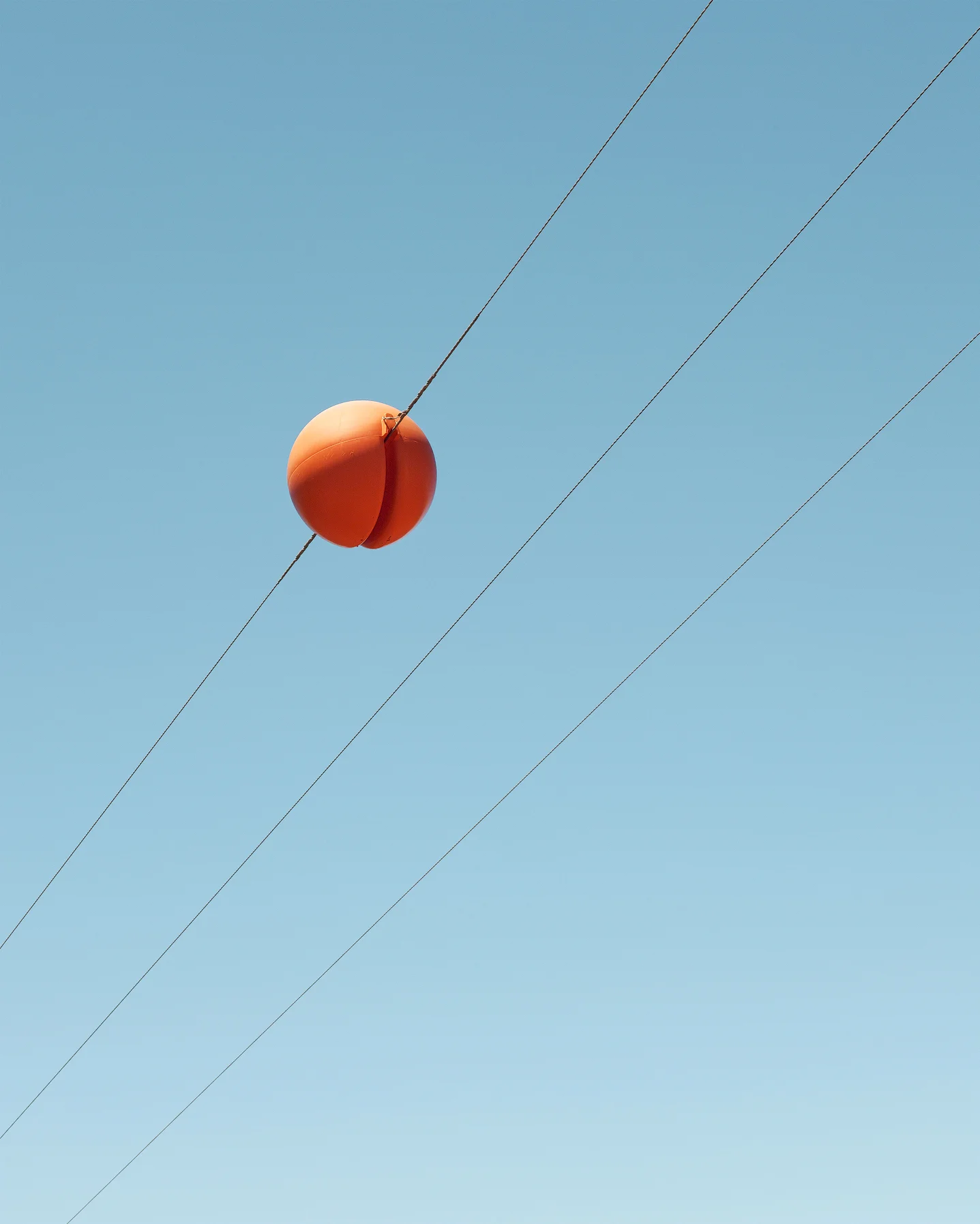
Here is another example. Once I would have taken out the power lines and additional light in the bottom right, but I think they all work together, almost like a compositional jigsaw puzzle.

Here is another example. Once I would have taken out the power lines and additional light in the bottom right, but I think they all work together, almost like a compositional jigsaw puzzle.

Once we reached Jindabyne, to be met with double rainbow over the lake, the forecast was not good for our hike the following morning—torrential rain and thunderstorms. Alas, we woke and the conditions were near perfect heading up to Charlotte’s Pass.

After a close call crossing the river, we headed up to some of the best light I’ve seen in quite a while. My friend and I had been meant to hike New Zealand’s Tongariro Crossing last year, so this hike was to essentially make up for that. I must say, the Main Range Track/Walk was far more scenic than I thought it would be, especially once you got up to Blue Lake and onwards.

The early morning light was fantastic on the Main Range, the cloud sweeping in and out of the landscape.
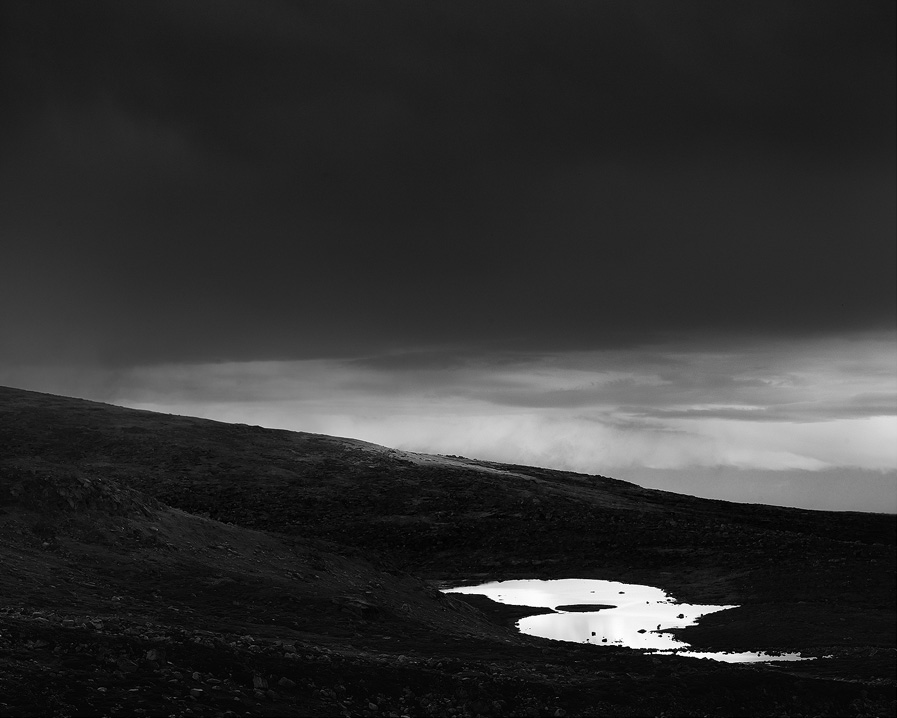
The early morning light was fantastic on the Main Range, the cloud sweeping in and out of the landscape.

I struggled with this image for a long time until I realised a low-key black-and-white look would suit it well.

I struggled with this image for a long time until I realised a low-key black-and-white look would suit it well.

Apparently Blue Lake is 28 metres deep and boasts the freshest water in mainland Australia due to its low salt content. We took the detour down to the water’s edge. It was certainly clear and inviting, but one finger dip into the water told me I’d come out an iceblock if I ventured in for a swim.

Blue Lake had exactly the kind of scenery I was after. The light coming from the right was perfection—It felt like nature’s own softbox. As for swimming, though…

Blue Lake had exactly the kind of scenery I was after. The light coming from the right was perfection—It felt like nature’s own softbox. As for swimming, though…

The weather changed quite dramatically the higher we got. We moved into the clouds and the views vanished along with visibility. This made for some of my favourite shots. When shooting traditional landscapes like this, I prefer adverse weather, silently cursing whenever there’s a blue sky. That’s quite the opposite from what I look for with my ‘mundane’ photos, so it’s nice to have both worlds.
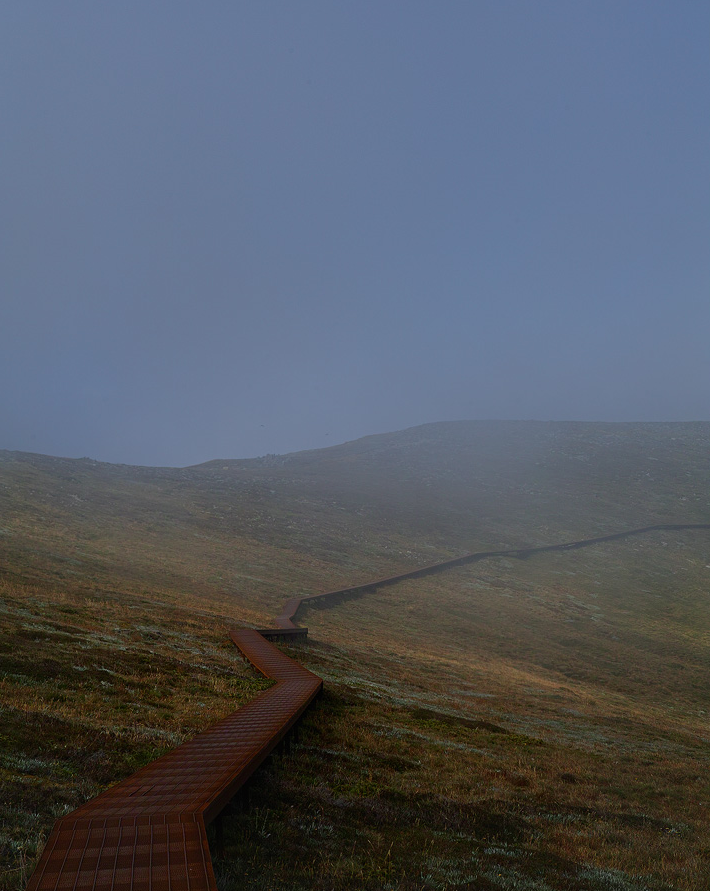
This is one of my favourite images from the trip. There is a danger when you open Levels for an image like this and see how dark it is to bring up the whites, but I think it works far better remaining dark and moody. It adds mystery and is far more …

This is one of my favourite images from the trip. There is a danger when you open Levels for an image like this and see how dark it is to bring up the whites, but I think it works far better remaining dark and moody. It adds mystery and is far more faithful to the actual conditions.

We hit Mount Kosciusko mid-morning and from there the track improves. There were quite few people heading up the summit, including a few in wheelchairs and even a guy in thongs. It’s not exactly a killer climb. From Australia’s highest toilets and it’s then a looooooong fire trail back to Charlotte’s Pass. At times it seems never-ending, but we made it and headed back to Jindabyne Brewery for a well-deserved drink.

Finally, we wrapped our trip up at Bermagui on NSW’s South Coast. I had seen this spot below on a few social media feeds and had to check it out. At first we could not figure out how to get down to the rock shelf, but perseverance over the headland got it done. It ended up being far easier than we expected. It’s been a very long time since I shot a traditional seascape like this. I got a bit frustrated with the processing. It’s been a while!

This is spot is a photographer’s favourite on the NSW South Coast. As far as seascapes go, it would be hard to find better. In fact, the whole coast around Bermagui is full of dramatic rock formations like this.

This is spot is a photographer’s favourite on the NSW South Coast. As far as seascapes go, it would be hard to find better. In fact, the whole coast around Bermagui is full of dramatic rock formations like this.

Yet again I used the Sigma SD-H for this trip and the Sigma 50mm f1.4 ART for most of the shots, pulling out the 24mm f1.4  on occasion when I needed a wider angle. I was really hoping to see Sigma’s full-frame Foveon camera this year, but I do respect Sigma for holding back on a product they are not completely behind. I have been eyeing off the GFX50R again, so we’ll see if I make the jump.

If you can make it out to the Main Range Track, Kosciusko or any of the smaller towns listed, it’s well worth it. Australia needs the tourism dollar more than ever. Head here to check out the full gallery of images from the trip.

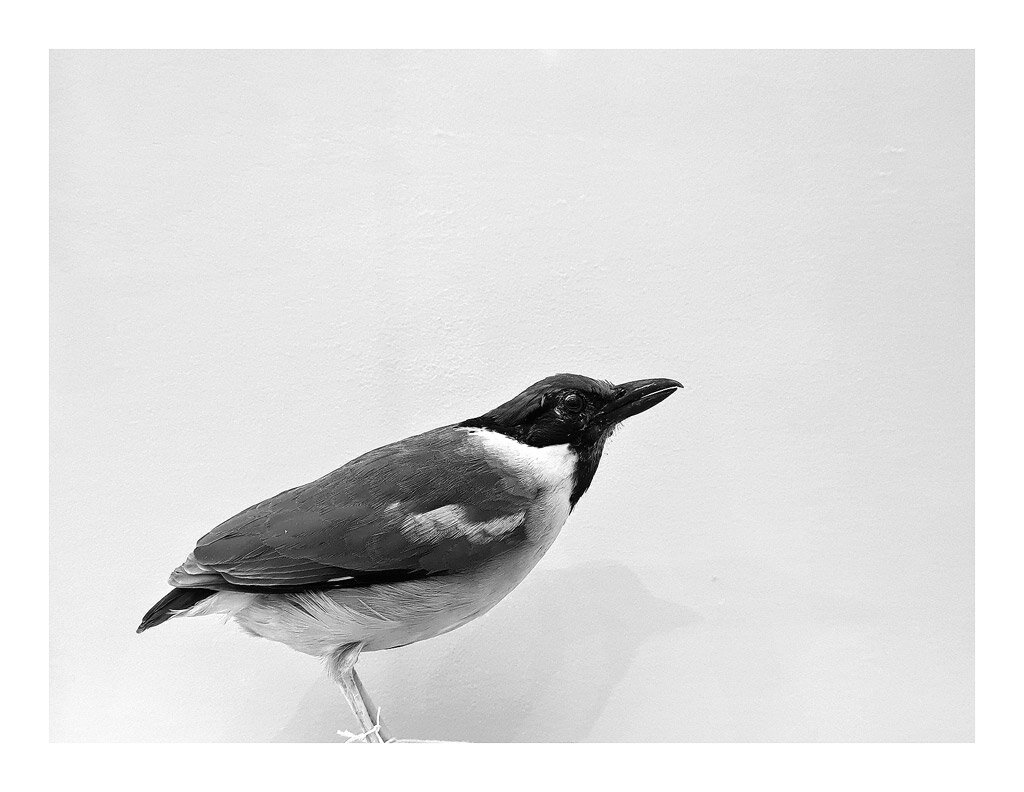
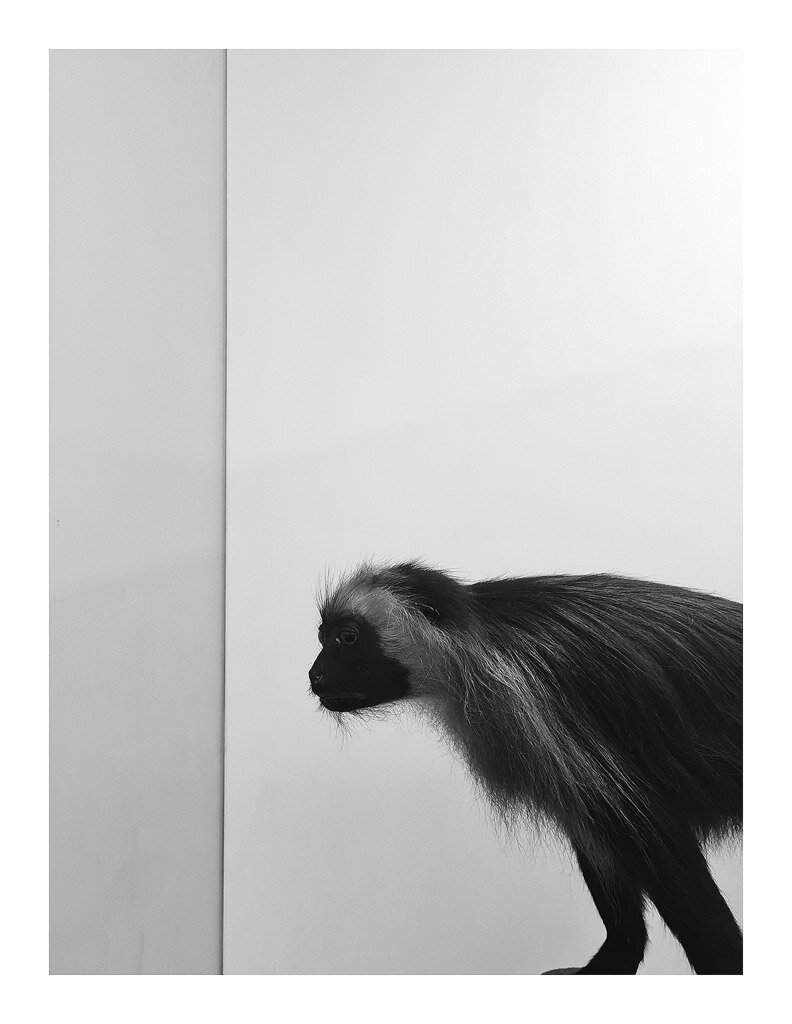
A Day At The Museum: Phone Photography At The Australian Museum

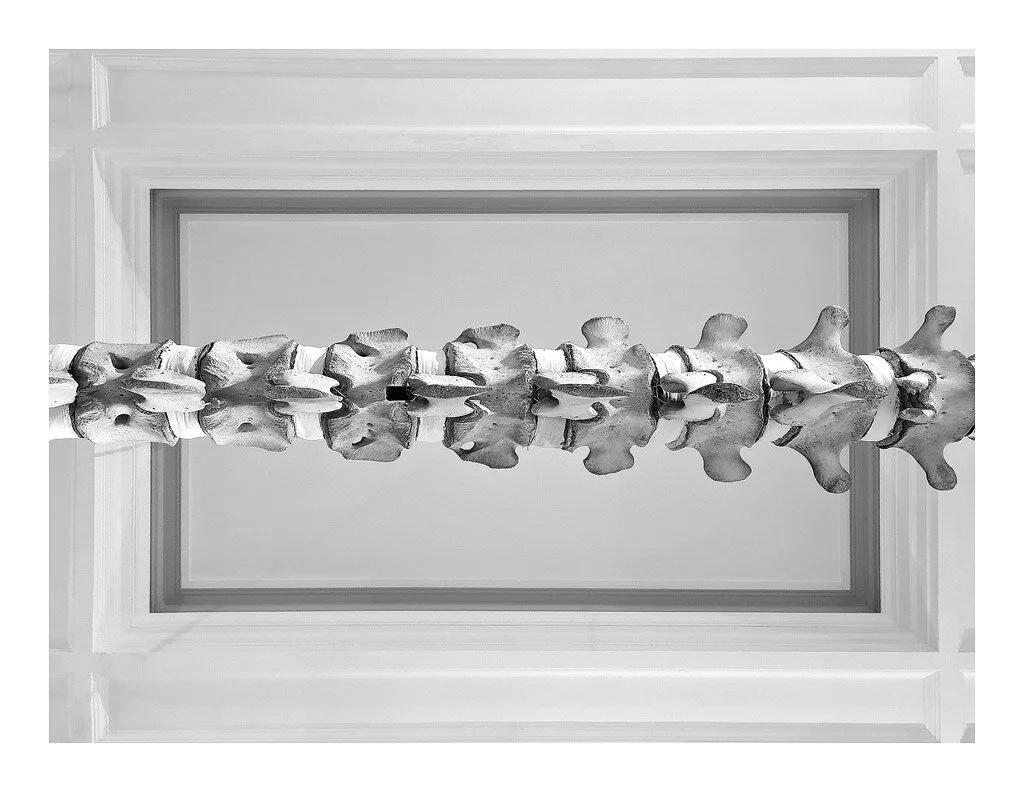
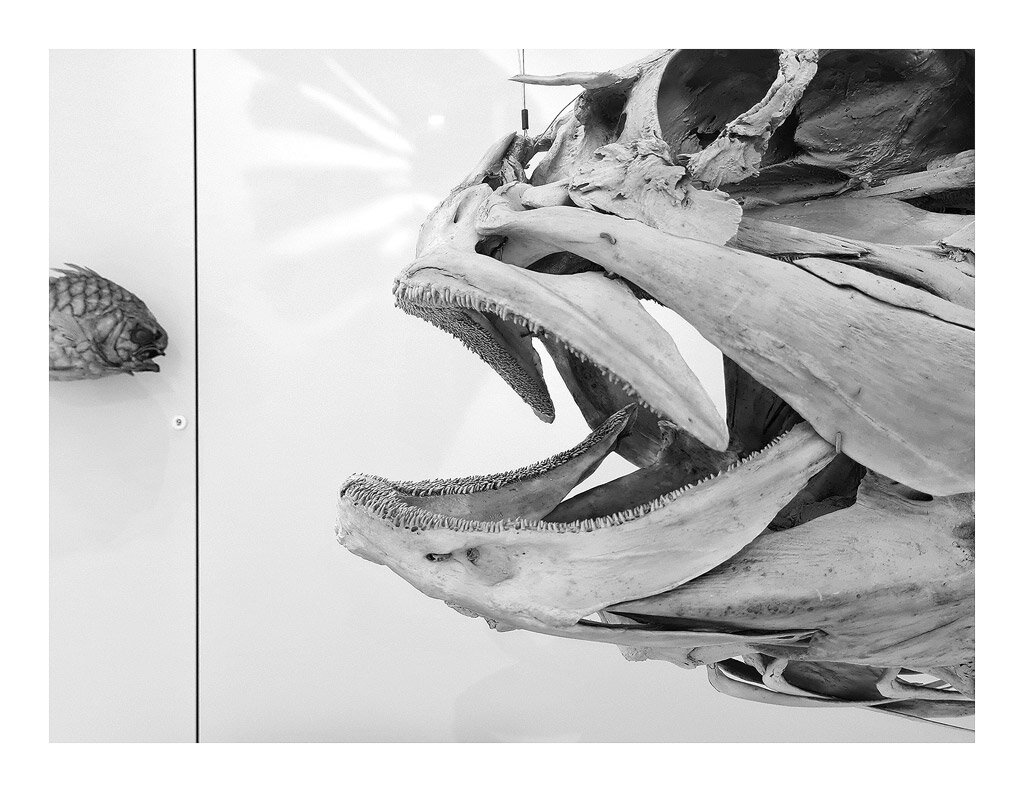
Recently we held our own family ‘Amazing Race’ in and around Sydney CBD. One of the stops was the incredible Australian Museum. It has to be said, if you have kids and you live in Sydney, you need to check it out. Fresh off a recent renovation, it is a true treasure trove of all kinds of natural history and interesting objects and artefacts. Kids love it, and it’s free. Walking around the museum, I started to see photo compositions. I thought, ‘Damn, I don’t have a camera on me!’. Alas, we modern folk always have a camera on us…

201210228_121020-copy.jpg

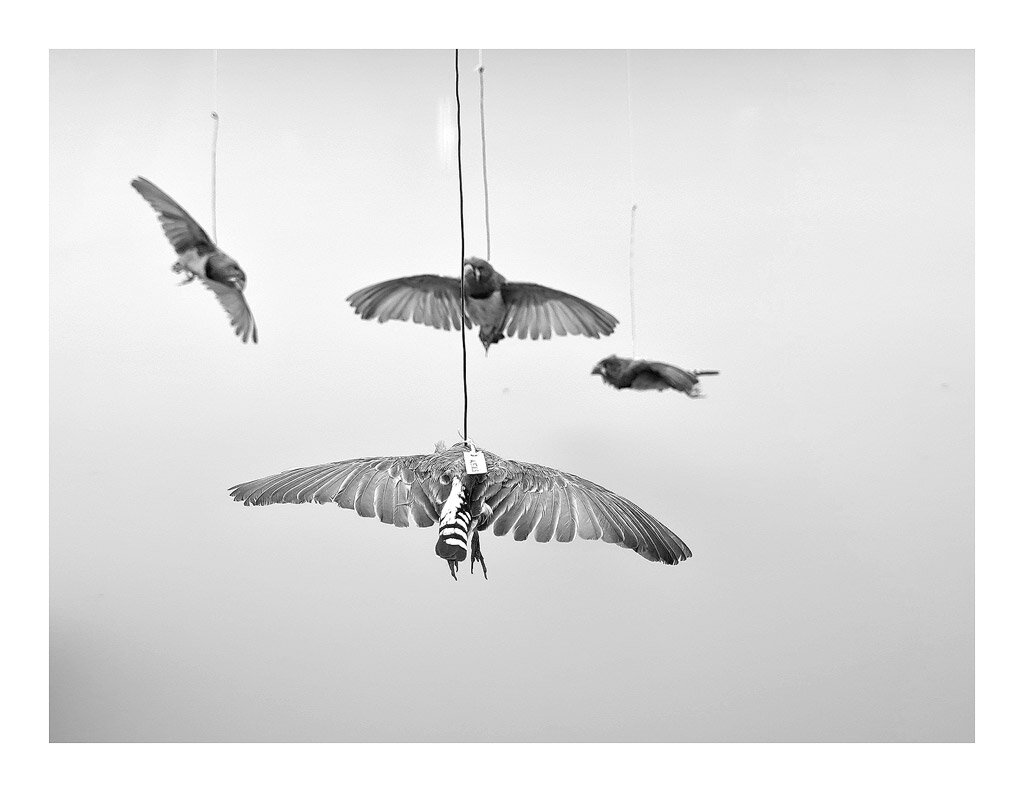
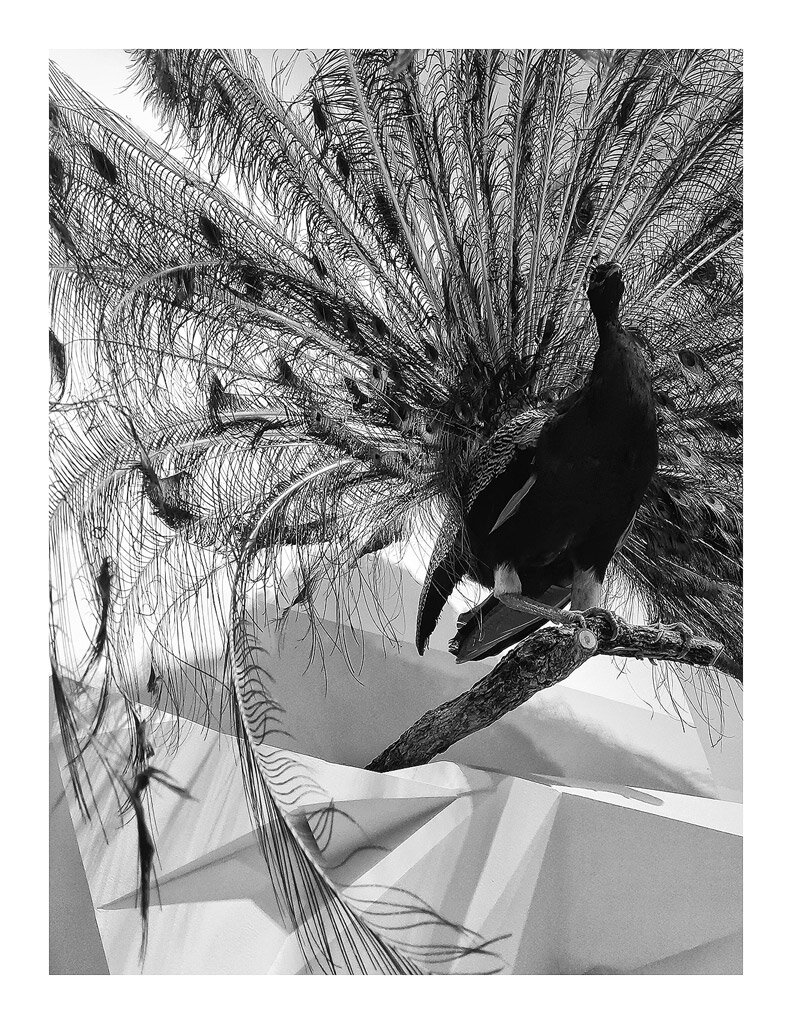
So, I pulled out my Samsung S20 and started shooting. As we were in a slight rush that day, I actually went back myself a week later to spend a bit more time walking around. It really is a photographic goldmine. It’s almost cheating when you go to a museum or theatre, where the lighting is already set up to be dramatic and interesting. It then becomes to the job of the photographer to look past that into light and shadow, and composition, to draw out visual interest.

20210309_114204-copy.jpg

I decided to make the series black and white to focus on that contrast between light and shadow, and to provide some consistency between the images. This is something I’m trying to work a lot into my photography at the moment—a ‘brand’ of sorts where it becomes clear that these images belong together, or these follow a theme… Just a way to help the viewer connect the dots. It’s probably the hardest thing in photography, to find your voice and signature style. Obviously, I’m still trying.

20210309_110236-copy.jpg

I had fun, the kids had fun, and it proves at the end of the day you do not require a Hassy or Phase, even a ‘real’ camera to take images. Could I blow these up to three-metre prints? Perhaps not, but smaller prints? Sure. Perhaps I will.

20210309_110950-copy.jpg

You can see the full series below. Check out the Australian Museum website here.

Mamiya RB67: The Continuing Joy Of Medium Format Film

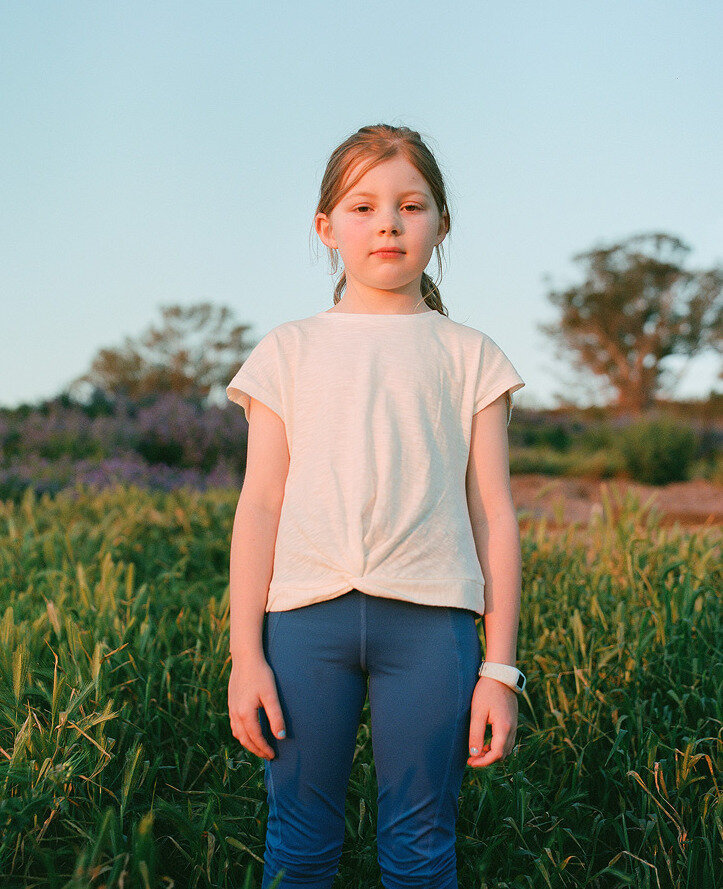
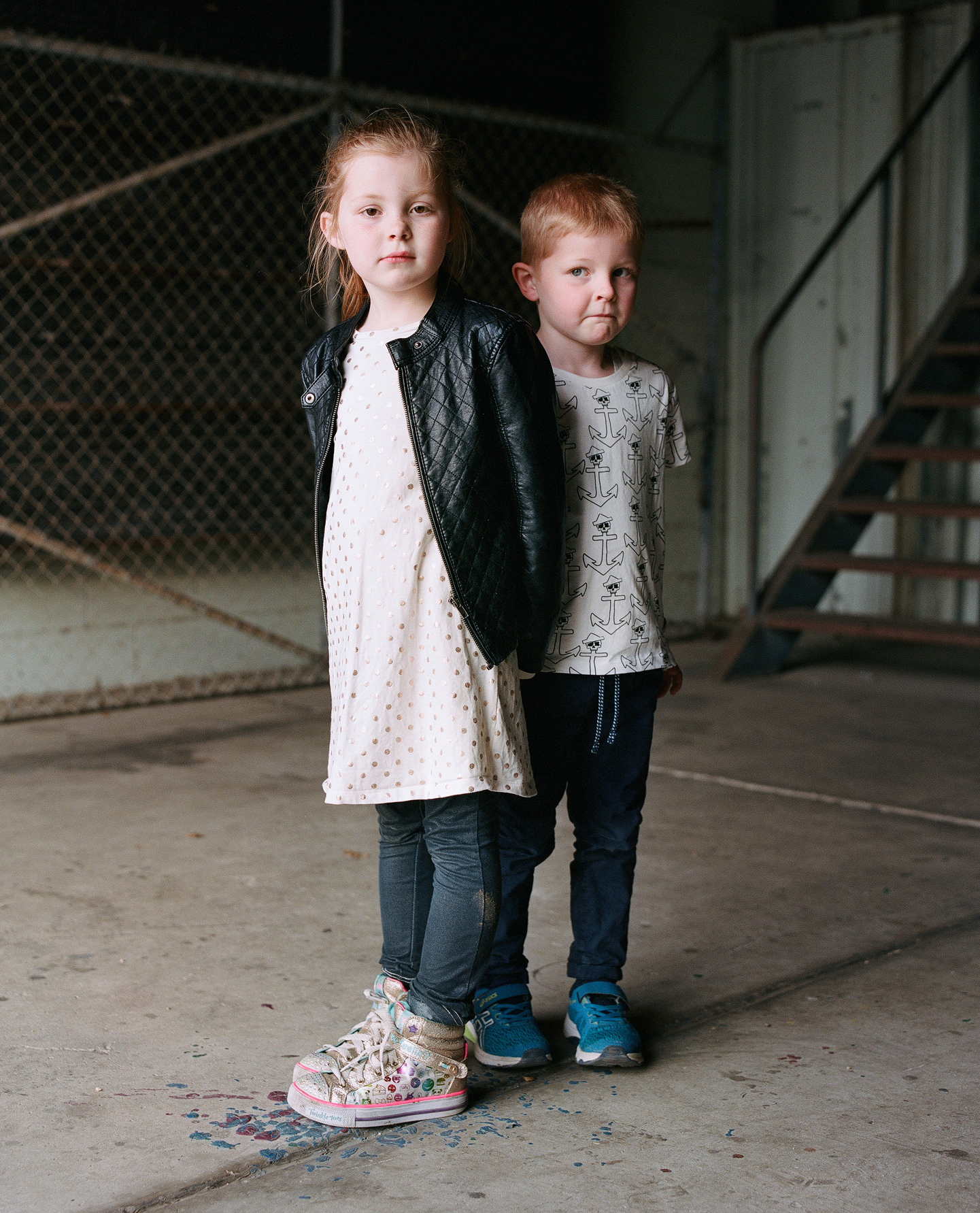
It’s been a year or two since I posted about film photography. I usually pull the Mamiya RB67 out once a year to take new portraits of the kids and then tell myself ‘Never again!’ given how hard the actual process is. I should point out this is because of my kids, not the camera. It’s very hard in this digital age for kids to stand still and actually wait for a photo to be taken. When I do put in the effort, however, I am almost always pleased with the results.

5093-01.jpg

I have changed my process a little. I still shoot Portra 400 because I find it’s the perfect middle ground that offers lots of latitude with dynamic range and beautiful skin tones. I try not to shoot below f5.6. Anything lower and focussing becomes difficult. I know there are focussing screens and so on, but I find f5.6 provides the right amount of bokeh and depth without compromising both shutter speed and focus. I also have a checklist on my phone I run through to make sure the back is in the right orientation, the shutter lock is off, lever cocked, etc. It just helps make sure I don’t make any mistakes before hitting that shutter button and burning away a couple of bucks. I always use a tripod, even if it is inconvenient. All of this has combined to improve my keeper rate.

In this shot, you can see my focus was off just slightly because my daughter moved before I hit the shutter button. Is it a poorer photo for it? I don’t think so. I would argue only a fellow photographer would notice.

In this shot, you can see my focus was off just slightly because my daughter moved before I hit the shutter button. Is it a poorer photo for it? I don’t think so. I would argue only a fellow photographer would notice.

It might sound a bit crazy, but I no longer meter for my shots. I’ve shot with the Mamiya enough to know what shutter speed will work for what kind of light. Outside, it’s usually a choice between 1/125 or 1/250 if I’m trying to overexpose and shoot at 200 ISO. I will err on the side of overexposure rather than under with Portra. Given that, shutter speed and orientation are really the only two choices I make before lining up a composition.

5091-05.jpg

I’ve also become very conscious of light. When I first shot film I disregarded lighting conditions entirely thinking the dynamic range of Portra would cover it, but like any kind of photography, light is king. Now I actively seek out interesting light and will often put the camera way if I do not feel a shot one-hundred percent. This is slowing down and considering your shots—something many talk about when discussing film photography, a lot of which has carried over to my digital work.

5090-02.jpg

While it can be cumbersome and far more effort is required, these film photos are far more special to me than photos of the kids I’ve taken with my digital cameras. I still see that hard-to-define quality in them you simply don’t get with anything else. I’ve been looking into large format (clearly a sucker for punishment), so we shall see where that goes.

Over the years my daughter has become somewhat adept at posing. As soon as the Mamiya is out, she knows what to do, even if she preferred I hurry it up…

Over the years my daughter has become somewhat adept at posing. As soon as the Mamiya is out, she knows what to do, even if she preferred I hurry it up…

Something else that is worth mention is to consider who is scanning and processing your images. I experimented with different labs but eventually came back to Atkins even though they are a touch more expensive. Find a lab you connect with who delivers consistent colors and results.

5088-09.jpg

Have I considered another medium-format camera? Sure! But I always use the Mamiya and can’t bring myself to get anything else. I love the fact it’s all manual, doesn’t require batteries and is built to last. I know there are sexier cameras out there (looking at you, Hassy) but the Mamiya is enough for me. As they say, if it ain’t broke…

5087-03.jpg

Canola Season In Regional NSW With The Sigma SD-H

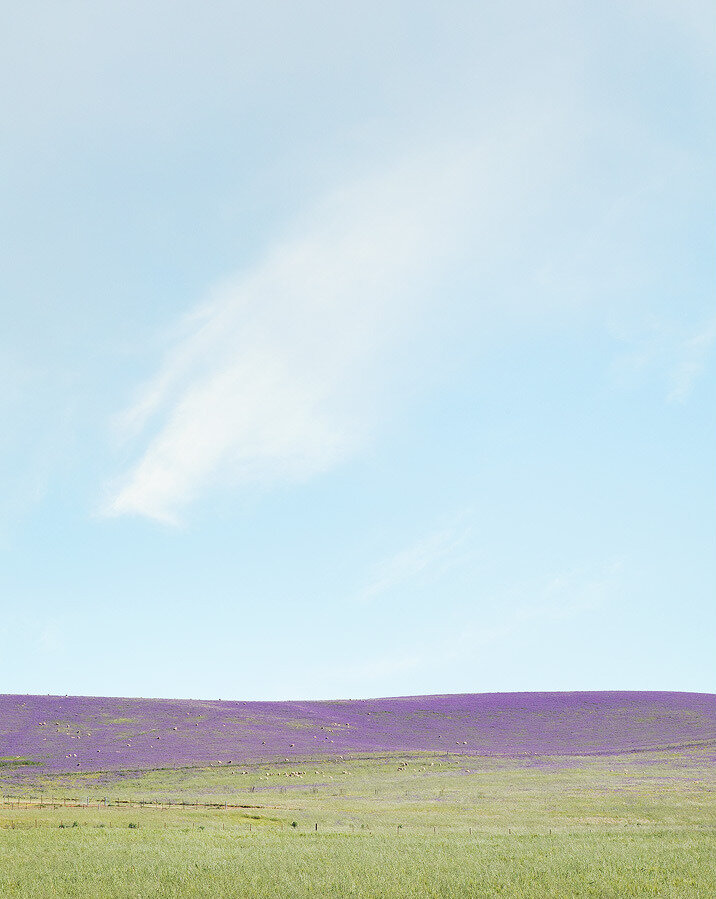
Well, who could have predicted what would become of 2020. Certainly not me. I had a big New Zealand trip planned in April, lots of photographic ideas… and then coronavirus. Everything, for everyone, changed, but like all of us I’ve tried to make the best of it. So it was I headed out with the family for a roadtrip to regional NSW right through canola country. Funnily enough, I had no idea it was canola season. It was simply a happy coincidence.

Having never seen canola before, I was amazed at how rich and vibrant the colour was. If I was travelling by myself, I probably would have been pulling over every five-hundred metres.

Having never seen canola before, I was amazed at how rich and vibrant the colour was. If I was travelling by myself, I probably would have been pulling over every five-hundred metres.

We started with an overnight stay in Bathurst. I headed out for an early morning walk with my Sigma SD-H and 50mm f1.4 ART. There is so much interest in Bathurst simply walking around the streets. I find that goes for all country towns in Australia.

I think I’ve come to a good place with the Sigma. Ninety-perfect of my shots are taken with the 50mm, though I do pull out the 24mm from time to time for a wider angle (keeping in mind the 1.3x crop factor). It turns out I’m always looking for a little more reach, however, so ideally the 85mm range is probably a better fit for me.

I was saddened to hear Sigma would not be releasing their full-frame Foveon camera this year, but I applaud the company for holding a product back instead of releasing something they weren’t willing to stand by 100%. I’m still keen to see what comes of it next year, or maybe the year after, though I have been eyeing off a Fuji GFX-50R. Stay tuned.

I had my wife pull over so I could shoot this out the car window. There were a group of people out of frame who must have thought I was completely mad, but this is my perfect kind of image these days. Read into it what you will.

I had my wife pull over so I could shoot this out the car window. There were a group of people out of frame who must have thought I was completely mad, but this is my perfect kind of image these days. Read into it what you will.

From Bathurst we travelled to Wagga Wagga through Blayney, Cowra, Cootamundra, Junee and many towns that were little more than a general store and a pub. I love driving through the streets of these towns and looking for comps. What am I looking for? Anything with visual interest, whether that be lines, form, colour… Something that stands out, or has character. Often I find things too cluttered to pull a composition from, so it can be a trying process to find subject matter that is just right. It’s also very hard to explain to people you’re looking for more than a ‘derelict building’.

A classic Bathurst street scene with the morning sun and the old sofa on the verandah. It really sums up country living for me.

A classic Bathurst street scene with the morning sun and the old sofa on the verandah. It really sums up country living for me.

I fell in love with this purple flower only to discover later it’s a fairly prominent weed known as Paterson’s Curse.

I fell in love with this purple flower only to discover later it’s a fairly prominent weed known as Paterson’s Curse.

We stayed at Belisi Farmstay near Wagga Wagga and it was perfect. If you have kids (or not), I highly recommend a visit. My kids are not terribly used to animals, but loved getting out seeing the horses and collecting eggs in the morning.

I was surprised how far the canola extends and how the colour changes according to the light. In particular, overcast or cloudy conditions actually provided the most interesting light, really spotlighting certain sections of the field and giving them shape. Like I said, I could have spent forever driving around looking up compositions.

The colour of the canola really changes depending on the weather, which did make consistency in psot-processing difficult. I think in the end I simply decided to work on an image-by-image basis and forget consistency altogether.

The colour of the canola really changes depending on the weather, which did make consistency in psot-processing difficult. I think in the end I simply decided to work on an image-by-image basis and forget consistency altogether.

I lot of people think having a small strip of landscape at the bottom of the frame set against a large sky is part of my style, but it’s more of a function of the limited reach of my 50mm lens.

I lot of people think having a small strip of landscape at the bottom of the frame set against a large sky is part of my style, but it’s more of a function of the limited reach of my 50mm lens.

There’s a lot more than canola out this way, too. We visited the Temora Aviation Museum, the rather delicious (and dangerous or the waistline) Junee choc factory, as well as what is Australia’s most haunted house, Monte Cristo. My wife and daughter were happy to wait in the car for that one.

The shadow of a door handle in morning light. I thought this tied in nicely to the surrounding canola.

The shadow of a door handle in morning light. I thought this tied in nicely to the surrounding canola.

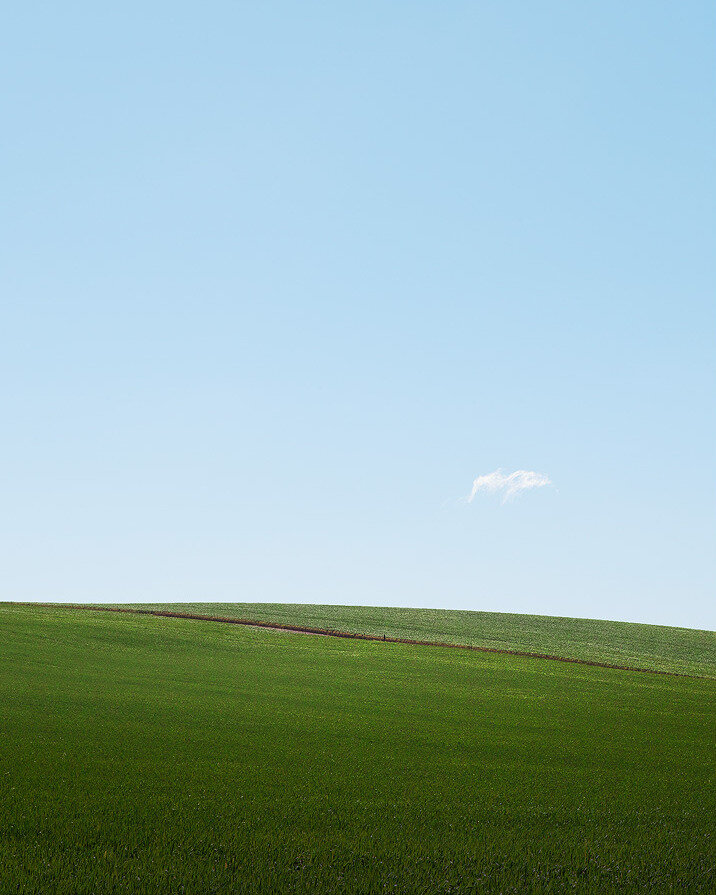
Windows wallpaper, anyone? There was no shortage of rolling hills.

Windows wallpaper, anyone? There was no shortage of rolling hills.

With most Australian states closed off to NSW for travel, it seems regional trips like this are the best way to get out and explore at the moment. It’s also a good way to show the kids holidays don’t have to be waterparks and shopping malls.

Head here for the full gallery of images.

I became somewhat obsessed with this abandoned petrol station at Wallendbeen. It had so much character and detail. I must have taken a hundred shots of it from every conceivable angle.

I became somewhat obsessed with this abandoned petrol station at Wallendbeen. It had so much character and detail. I must have taken a hundred shots of it from every conceivable angle.

I don’t think I’ve ever seen a Coca Cola sign so faded as to be almost pure white.

I don’t think I’ve ever seen a Coca Cola sign so faded as to be almost pure white.

ICM Photography Part II

It’s been a while since I updated everyone on how my ICM (Intentional Camera Movement) is coming along, so here we go. It’s slow going. I’ll take a hundred shots and not use a single one. Sometimes processing with take ten minutes, sometimes ten hours. But it is nothing if not rewarding.

I had been envisioning this image for quite a while, but it took me two or three trips to get just right. This is looking towards the Harbour Bridge in Sydney from the Circular Quay Ferry Terminal. You can see the red and white pylon marker on the l…

I had been envisioning this image for quite a while, but it took me two or three trips to get just right. This is looking towards the Harbour Bridge in Sydney from the Circular Quay Ferry Terminal. You can see the red and white pylon marker on the left, the iconic yellow and green of the ferry to the upper right. What I like most is the texture, which comes across as a mix between pencil and watercolour.

All of my ICM images to date have featured Sydney. I’ve tried not to rush it and focus on the really iconic parts of the harbour city. It really is a trial and error process, and I’ve come to learn there is actually a lot of technique to the initial capture. It is all about the movement of your wrist motion—the speed, amount of push and pull, spin… It’s not just shaking your camera around in the air, though that can also lead to a good result from time to time. Experimentation is key.

A GIF showing the build-up of this image in post-processing. It’s quite layer intensive, as you can see.

A GIF showing the build-up of this image in post-processing. It’s quite layer intensive, as you can see.

The other important element to making ICM work is to have a defined idea of not only what you want to shoot, but some idea of the composition. I find if I show up somewhere without having thought it through it leads to a scattered approach that doesn’t have a strong sense of composition, which is everything with images like this. At the least, you need a vague idea of where major focal points will be placed in the image before you ‘shoot’.

The Queen Victoria Building in Sydney. You can see the façade of the building in the back, the statue of Queen Victoria to the left and one of Sydney’s new trams moving through the bottom of the image.

The Queen Victoria Building in Sydney. You can see the façade of the building in the back, the statue of Queen Victoria to the left and one of Sydney’s new trams moving through the bottom of the image.

I feel like I’m starting to get my own feel as far as ICM images go. Something that has started to change is my use of colour. I’m pushing saturated colour far more than my original images, as you can see in the image of the QVB building above. I’m a big fan of paintings featured strong, vibrant colours, so I expect to see that filter through to my ICM photography as I start to improve and get more confident.

The famous Coca Cola sign at Kings Cross, Sydney. This one took a long time to put together over several weeks and was originally different colours completely, though I felt they made it hard to gauge the subject matter.

The famous Coca Cola sign at Kings Cross, Sydney. This one took a long time to put together over several weeks and was originally different colours completely, though I felt they made it hard to gauge the subject matter.

Things don’t always go to plan. I had this image in my head of looking up the road towards the Coca Cola sign at Kings Cross, now something of a historic monument, but when I got there I found there were too many trees and clutter obstructing the view, so I had to get much closer than planned. In the end it worked out, as above, but it was certainly frustrating at the time.

Hours and hours spent in Photoshop were required to get this particular image working. Sometimes when you’re not feeling something the best thing to do is simply walk away, which I did… several times over several weeks.

Hours and hours spent in Photoshop were required to get this particular image working. Sometimes when you’re not feeling something the best thing to do is simply walk away, which I did… several times over several weeks.

One final piece of advice, for the love of god make sure you correct for dust on the base image before duplicating it and playing around. I often get too excited and forget this basic first step. It means I end up with twenty layers in twenty different orientations and two specks of dust turning into two-hundred. Don’t be like me. Make sure you have a clean file to begin with.

I understand these images are not for everyone. They border on the truly abstract and venture far from traditional photography, but I’m enjoying myself, happy with the results and that should really be all that matters.

Regional NSW With the Sigma SD-H

Coming into the end of 2019 I realised I hadn’t had any photo trips per se. So, commitments aside, we headed off on a weekend road trip to regional NSW moving through Lithgow, Bathurst and Parkes.

This is the Bilpin Fruit Bowl, a spot I remember from many childhood mountain travels. I’d envisioned this shot for a long time but only now have got around to it. Sadly, two weeks later the fruit bowl was mostly destroyed by bushfire.

This is the Bilpin Fruit Bowl, a spot I remember from many childhood mountain travels. I’d envisioned this shot for a long time but only now have got around to it. Sadly, two weeks later the fruit bowl was mostly destroyed by bushfire.

The initial thing that struck me was just how dry it is out there in the country thanks to one of the worst droughts in Australian history. Many locals we spoke to indeed said it was the worst they had experienced. The rivers, dams and creeks were all bone dry, the land scorched and barren. This created constant dust and haze in the sky, which did make keeping the sensor clean (or not, rather, given how much the clone tool got a workout) interesting.

We pulled into our hotel at Parkes just as a dust storm engulfed the town. I ran across the road and was subsequently sand-blasted taking this shot.

We pulled into our hotel at Parkes just as a dust storm engulfed the town. I ran across the road and was subsequently sand-blasted taking this shot.

I especially like the banality of these country towns and the unique compositions they offer. We swung by the Parkes Historical Aviation Restoration Museum, which was especially photo-friendly. The texture and details in the planes was exquisite and could have kept me there for hours. Also worth a look was the State Mine Heritage Park in Lithgow, a real hidden gem I personally had never been to before.

The Chinese restaurant is a real country town staple in Australia. I have a particular fascination for them.

The Chinese restaurant is a real country town staple in Australia. I have a particular fascination for them.

I changed my processing a little for these images, using new LUTs I have created, though I can’t say I’m completely satisfied with the consistency between them all. This was made especially hard with the constantly changing sky and light conditions owing to the dust, plus ash and smoke from the NSW bushfires further afield.

The Historic Aviation Restoration Museum (HARS) in Parkes is a must-visit for photographers

The Historic Aviation Restoration Museum (HARS) in Parkes is a must-visit for photographers

As always, I was impressed with the detail picked up by the Sigma SD-H, especially in the textural abstracts I was taking. It’s almost ridiculous how much it soaks in. I did find myself jumping a lot between the 50mm 1.4 and 24mm 1.4 this time, which probably tells me I should be looking into the L-alliance 24-70mm Sigma has just released. I will also be extremely interested to see Sigma’s full-frame Foveon offering in 2020 and what advantages it provides over the SD-H. Increased dynamic range would be most welcome.

Having visited the region many times, I was surprised by how dry the drought has made it

Having visited the region many times, I was surprised by how dry the drought has made it

In 2020 I’m hoping to step up my landscape photography and get out to some new places, hopefully international. I still don’t think I have a signature style as such yet, and that’s what I’m hoping to explore, as well as constantly refining and minimalizing my compositions in the vein of excellent photographers like Bruce Percy and David Ward. Here’s to a new decade and new possibilities (and hopefully some rain for this sun-burnt land). See the full set of images by clicking here.

As we were coming home multiple bushfire fronts had sprung up, including this blaze near the Three Sisters at Katoomba. Since then the fires have spread in what has been one of the worst fire seasons on record so far. You can see one of the choppers…

As we were coming home multiple bushfire fronts had sprung up, including this blaze near the Three Sisters at Katoomba. Since then the fires have spread in what has been one of the worst fire seasons on record so far. You can see one of the choppers at work in the middle there.

A Guide To ICM Photography

I have been getting quite experimental with my photography this year and recently stumbled upon ICM, or Intentional Camera Movement photography. I fell into the work of photographer Andy Gray and was immediately blown away by the painterly feel of his images.

An ICM photo of Hornby Lighthouse in Sydney, Australia, my first attempt at the technique.

An ICM photo of Hornby Lighthouse in Sydney, Australia, my first attempt at the technique.

Thankfully, Andy has a wonderful YouTube channel where he breaks down step-by-step his entire process, from capture to post-processing. I definitely recommend checking it out to see just how much work goes into each image.

An ICM photo of the Sydney Opera House. Another ICM image of poppies from the Botanic Gardens has been used as a second exposure layered over the first.

An ICM photo of the Sydney Opera House. Another ICM image of poppies from the Botanic Gardens has been used as a second exposure layered over the first.

What’s required? Well, a camera, though megapixels don’t really matter given the abstract nature of the finished product, and also an ND filter. It seems something between a 6-stop and a 10-stop is what work’s best, allowing exposures within the 0.5-1.5sec  range during the middle of the day. If you wanted to skip the filter, I suppose you could shoot closer to sundown and sunrise where the exposures would be longer handheld. Like everything with this technique, however, there are no hard and fast rules. It is all about experimentation.

I opted for a 6-stop in 77mm to suit my Sigma 50mm f1.4 and also 24mm 1.4, a wider lens being the preferred option. At around $100 AUD, it’s not a terribly expensive way to get into ICM, plus you can use the filter for more traditional purposes.

The Sigma SD-H itself probably isn’t the best choice of camera. It buffers slowly and the RAW files are tedious to process when you get back home, requiring you to be somewhat picky when it comes to post-processing. Expect to take a lot of photos.

Another ICM image of Hornby Lighthouse. This one reminds of the famous aerial shots of Shark Bay in Western Australia

Another ICM image of Hornby Lighthouse. This one reminds of the famous aerial shots of Shark Bay in Western Australia

As for the process, if you watch Andy’s videos you’ll get an idea of the movement required. I set f11 and around 0.5sec, starting with a shaking motion and then a longer, whipping motion. I slowly worked up to longer exposures, trying to follow lines within the scene. It’s very much like painting… with a very expensive brush.

If there are people around, note this: You are going to look like an absolute idiot. One guy suggested ‘I don’t think that’s how you use a camera, mate’. I simply smiled back, not able to dial up a suitable comeback in time. I found the best results were when I really got into it, almost violent in the movement in able to create the required textural effect.

It’s also important you start with a regular composition in mind, just as you would if you were taking a traditional landscape. You need a prominent feature or point of interest the abstraction works around. So, frame up the scene as would normally and then go to town. I don’t have any castles or ruins nearby like Andy, but I do have Sydney Harbour and its many wonderful icons.

Another important point is to beware of highlights. It was an extremely bright day when I first tried this. Any small highlight source within the frame can easily ruin a shot by basically slicing it up with pure white. It’s a little hard to explain, but if you think you see specular highlights that are going to be blown out, avoid them in your movement.

This animation shows how the image at the top of this post was created using layers within Photoshop.

This animation shows how the image at the top of this post was created using layers within Photoshop.

Into post-processing and I simply looked for frames that stood out where the movement seem right and balanced, or the texture was right. From there it’s into Photoshop, stacking up the layers and running through masks and blend modes to find an initial base to work from.

Once the initial image has started to come together, it’s into Analog Efex Pro 2. Here, Andy uses a variety of tools to help further abstract and shape the image, but notably vignette, double exposure (inverting the image) and film effects. I found it also helped scrolling through the factory camera presets within Analog Pro 2 to see if anything worked, especially the ‘Motion’ cameras. Andy also uses Vivuza for spot adjustments, but I didn’t feel the need myself. As they say, there are lots of ways to skin the cat in Photoshop.

I think of post-processing in two parts: Colour and contrast, effectively leaving colour until last. I tried a curves layer first, adjusting RGB channels individually, but I couldn’t seem to make it work. Instead, I loaded up a LUT adjustment layer and simply scrolled through all the LUTs I have on file (which is quite a few) until I found something I liked and adjusted opacity from there. The Selective Color and Hue/Adjustment layers were good for fine-tuning.

Finally, I let the images sit there for days at a time, slowly tweaking until I thought they were good enough. It’s very easy to get stuck in a kind of ‘post-processing loop’ with these sorts of images, constantly adding and removing adjustment layers and masks, tweaking and tweaking and circling back on yourself. When I found myself doing this, I would turn off all layers except for the base exposure and add them back one by one adjusting as I went.

The above images show the interesting detail when seen at 100%.

Overall, I think I’m pleased with the results, though they are not what I expected at all. That’s the beauty of a style like this: You don’t know what you’re going to get. I’d love to make some prints and really study them.

I will say it was extremely frustrating at times. The images took a lot longer to process than usual largely in part because so much trial and error is required. It is rewarding, though, when you finally have something on screen that doesn’t look like a dog’s breakfast.

If you’d like to support Andy and his channel, you can do so here. Look out for more ICM work in the future.

An abstract view of Sydney Harbour created using the Intentional Camera Movement technique. Note what happened with the specular highlights on the water in the bottom right, but in this case I think it works.

An abstract view of Sydney Harbour created using the Intentional Camera Movement technique. Note what happened with the specular highlights on the water in the bottom right, but in this case I think it works.

Rattle & Hum Car Show With The Sigma SD-H

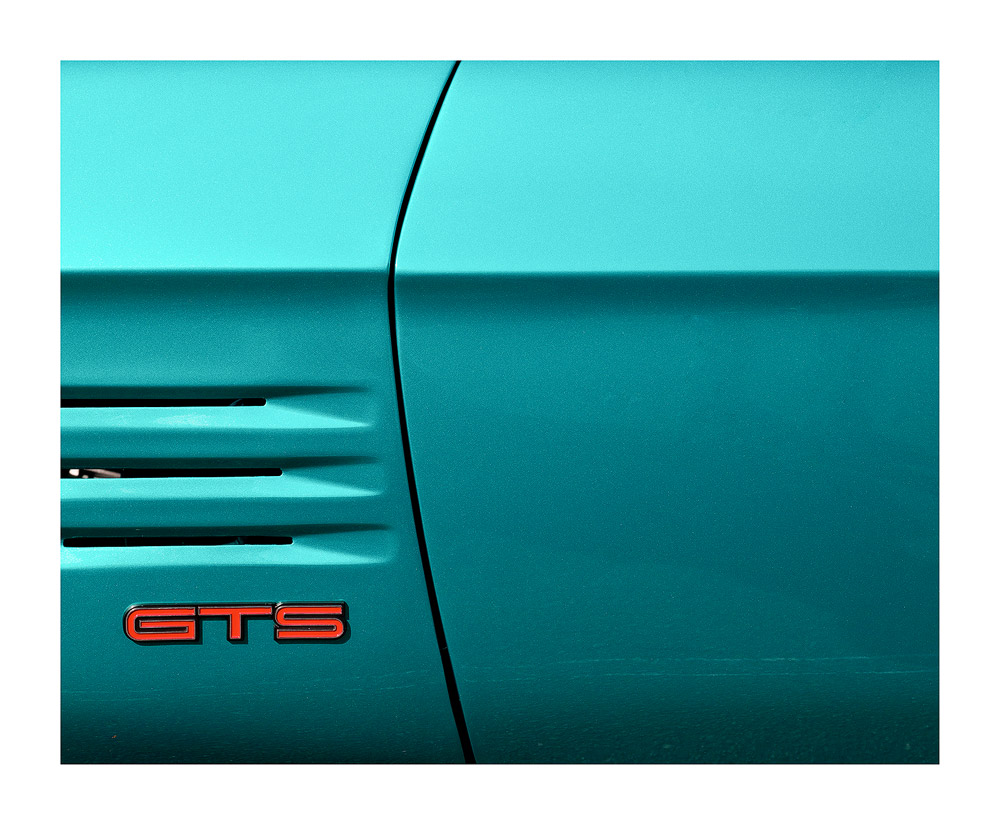
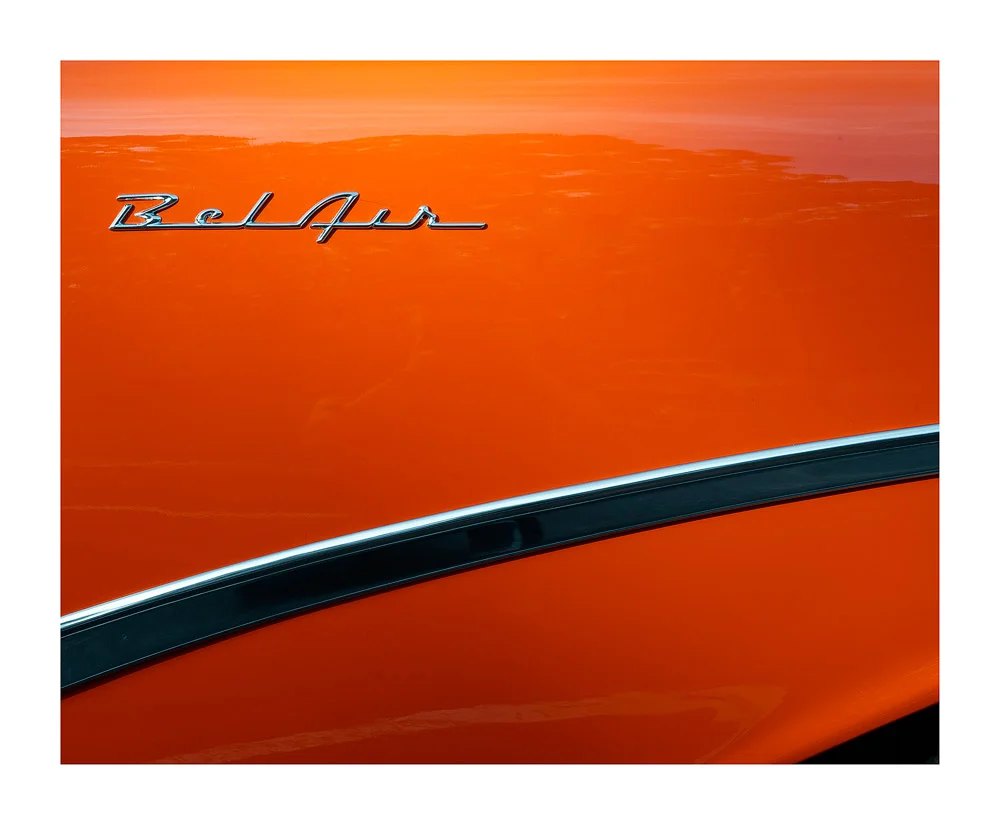
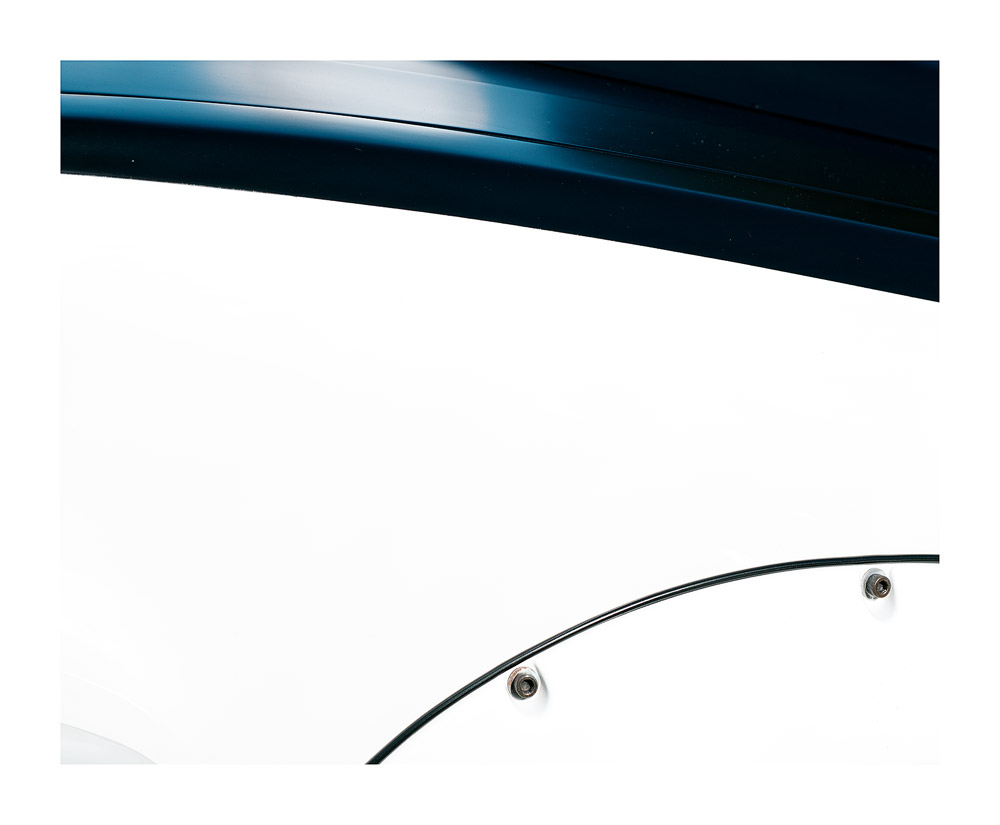
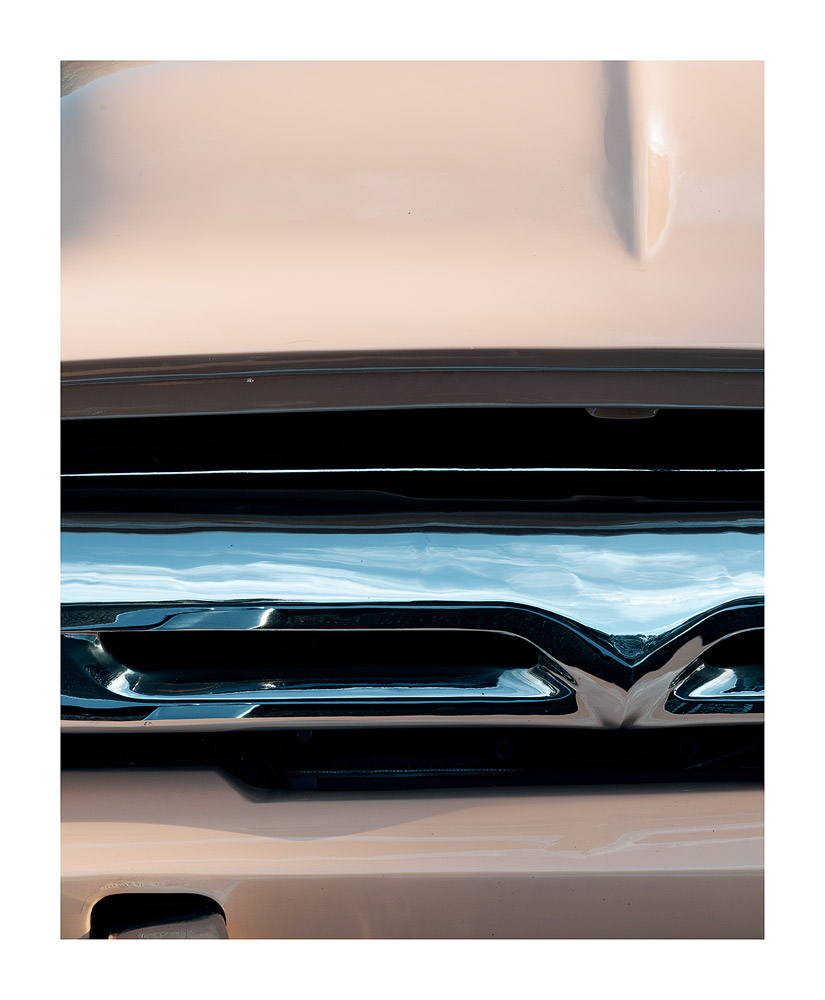
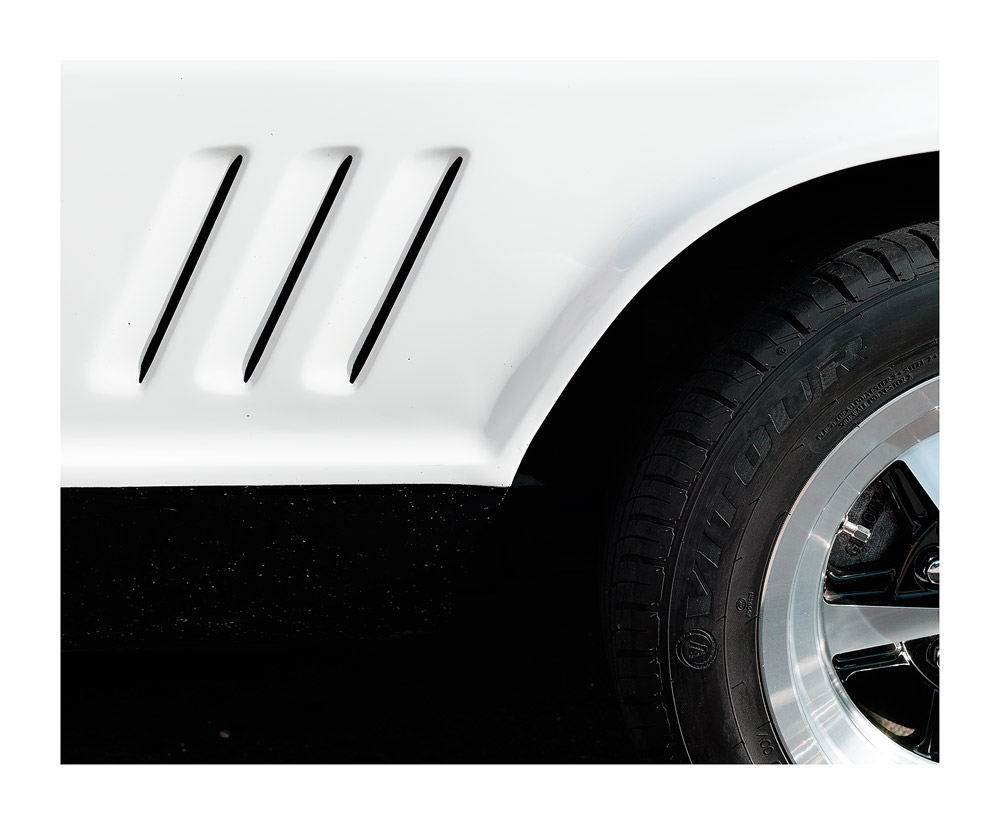
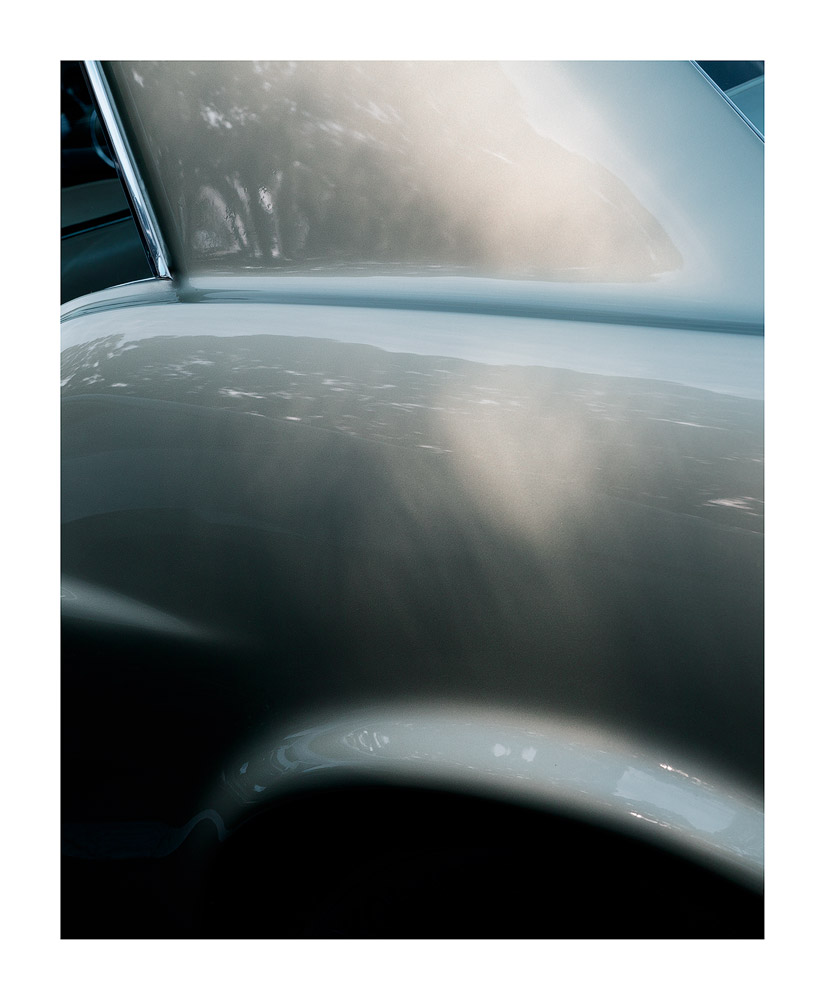
Many moons ago I was a car magazine editor. As such, you might say I have a certain appreciation for a fine automobile, plenty of which could be found at the 2019 Rattle & Hum car show at Castle Hill RSL. I decided to go along with the Sigma SD-H and 50mm 1.4 to see if I could hunt down some abstracts. The results came up nicely. Can you guess what models of car these are?

As this was an Australian vintage car show, you might not be familiar with some of these models, but there was plenty of American muscle on hand as well. I’ve found with this style high key-like photography I’m into these days that direct sun on your subject works best when it comes time to process. A subject in shadow can prove difficult to get the effect right on.

SDIM0678-copy.jpg

This is something I’ve be keen on shooting for quite a while, so I’m thinking about expanding it out to air and truck shows when I get a chance. If nothing else, it’s a great way to get the kids out exploring what everyone got around in back in the ‘olden days’.

SDIM0807-copy.jpg

Here’s the full gallery:

Tin City, Stockton Beach With The Sigma SD-H

I have many fond memories of the Stockton Beach growing up. Located about an hour-and-a-half from Sydney, access is 4WD only. It’s one of the few beaches along the coast where you can drive along the sand and, to a smaller extent these days, the dunes.

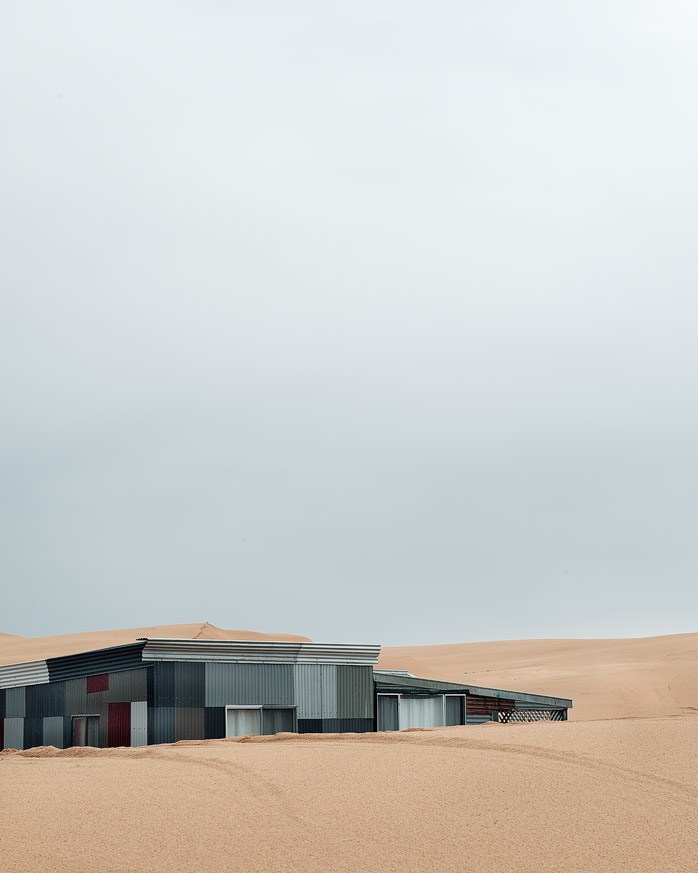
Amongst the dunes is a strange settlement of ramshackle structures known as Tin City. At first, rising from the sand, you expect to see a Stormtrooper and a droid, perhaps an Interceptor, but it’s actually the last legal squatters settlement in Australia.

The ‘city’ started in the early 1900s as tin shacks for shipwreck survivors. In the 1930s it grew out to around 36 huts, around 11 of which stand today, and yes, people were here the day I visited. As I understand it, the huts cannot be sold, but are sort of passed down from generation to generation. Since my last visit 20 years ago, many had been repaired and added upon, some looked pretty well sorted! Fishing seems to be the predominant pastime.

SDIM0530-copy.jpg

It didn’t stop raining all day, which meant we did have the beach to ourselves, but it did make photography difficult. I was initially disappointed, hoping for blue skies and strong light for the high  key style I use these days, but on reflection I like the way the rain added an ethereal mood to the images. It actually gels very well with the subject matter—lone buildings left out in the elements.

SDIM0509-copy.jpg

I also shot some of the dunes, focussing on some timber fencing that had fallen (read: been run) over. I like the minimalist feel of these images and hope to return to take more. Of course, the famous wreck was another shoot hot spot but it was, drum roll, underwater when we arrived. Next time.

SDIM0638-copy.jpg

Check out the full gallery:

Prism Fun At The Sydney Royal Easter Show (Fuji X-Pro2)

Recently I sold all my Canon gear and moved to a Fuji system (X-Pro2) for my personal photography. I still have the Sigma SD-H for my landscape projects, but the Fuji comes out whenever a family friend wants portraits or there’s a birthday party, etc. The quality of the JPEGs it produces has cut down significantly on my processing time… and I find I have less and less of the latter as the kids grow!

DSCF1063-copy.jpg

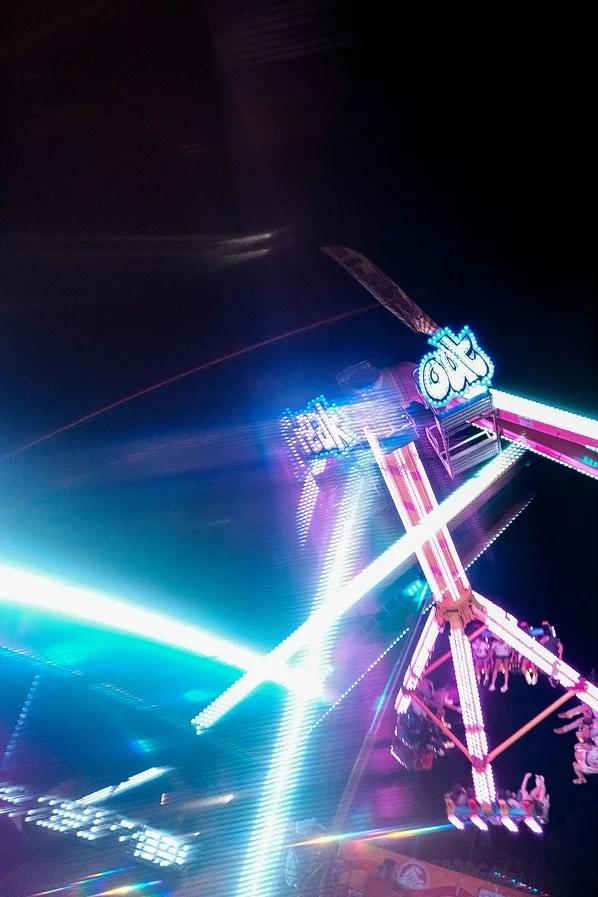
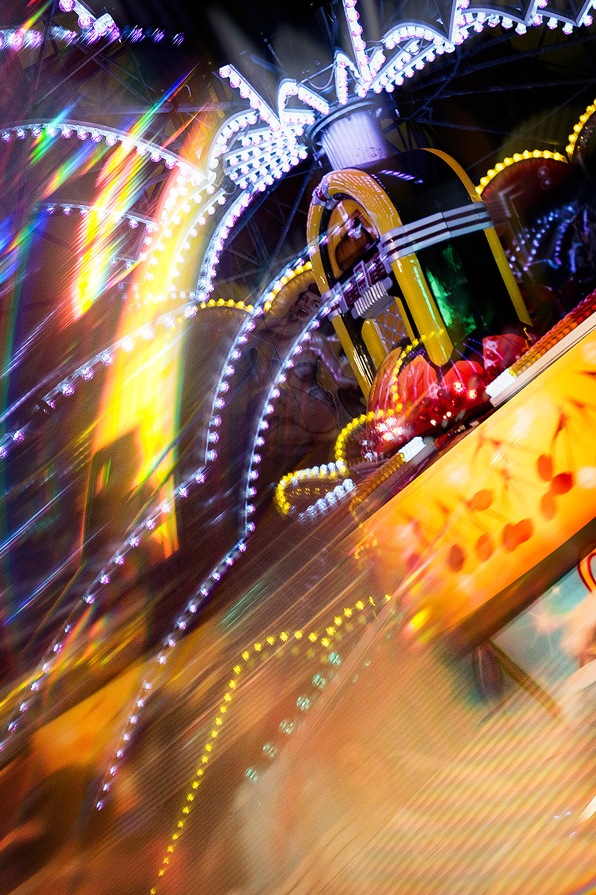
I’d already taken my Sigma to this year’s Royal Easter Show, focusing on daytime abstracts of the carnival area, which you can see here. However, the thought occurred to me I should bring the Fuji X-Pro2 and 40mm f2.8 pancake lens back at night to see if I could get some interesting high-ISO shots. As I was gearing up at home, I noticed a glass prism I had bought for playing around with portraits of the kids (see below) and decided to throw it in and see what I could come up with.

The result, as you can see, is fairly interesting. The prism lent itself perfectly to the clash of colours and lights you see at a carnival. Did it inspire some strange looks seeing me wrangling this piece of glass in front of the lens? You betcha, but I’m happy with the results, which have a nice Blade Runner-cum-Tron-cum-’80s movie poster-type feel to them. I’m thinking it may even be worth exploring a little further.

The prism was originally intended for portraits of my children. It’s really quite fun to play around with.

The prism was originally intended for portraits of my children. It’s really quite fun to play around with.

DSCF1071-copy.jpg
DSCF1048-copy.jpg

What do you think? Am I losing the plot. If it’s anything like my hair, that’s very likely. Perhaps I’ll get a couple printed up just because. In the meantime, here are the remaining images:

Finally, there was one image I took without the prism using the Sigma, just to see how far I could push it (Read: Pretty damn far NR-wise with the new Sigma Photo Pro). The image was out of focus and far from sharp, but I still love the look of it. It’s a wonderfully retro vibe to it.

New Zealand With The Sigma SD-H

I’ve decided to title this latest series Long White (all images here), not after New Zealand itself, but the cruiseliner we travelled on. I was born in Auckland, have returned many times over the years, but I found travelling this way offered a new and unique perspective. It also provided the opportunity to visit many ports and cities I otherwise would never have seen, such as Port Chalmers, Dunedin, Picton, Akaroa and so on.

Milford Sound offered mood in spades. It’s a South Island must-see.

Milford Sound offered mood in spades. It’s a South Island must-see.

Once more I aimed to look for the unique in the ordinary and seemingly banal. I’m constantly trying to refine my compositions down, to really simplify them to their most essential elements. It was an interesting journey. In fact, I found a lot of material in the ports themselves, the higher vantage point offered by our balcony provided a sort of aerial view.

There was plenty of visual interest in the ports, the cruiseliner we sailed on offering a high perspective.

There was plenty of visual interest in the ports, the cruiseliner we sailed on offering a high perspective.

Of course, a cruise is also the perfect way to see the sounds of the South Island. We travelled through Milford, Dusky and Doubtful. They are, as you would expect, extremely scenic, especially layered in mist and cloud, the sun breaking through sporadically. If you have never been to New Zealand, and especially the South Island, do make it a priority. There’s endless photographic material.

Finding a way to show the scale of Milford Sound and its towering peaks can be difficult.

Finding a way to show the scale of Milford Sound and its towering peaks can be difficult.

Many would say light is the most important element of photography, but I disagree. For me, composition trumps all else, and while great light is nice, it’s not essential to making an interesting photograph. Unfortunately, composition is one of those elements of photography that’s hard to learn, hard to teach and ultimately in the eye of the beholder. I don’t think even in the space of a lifetime you could master it.

My favourite image of the trip, taken in Dunedin. The city itself was full of art and life.

My favourite image of the trip, taken in Dunedin. The city itself was full of art and life.

In terms of equipment, I took the Sigma SD-H with the 50mm f1.4 ART and left the 24mm at home. I didn’t find I had need for a wider focal length, so I think the ‘one body, one lens’ idea will carry through from now on. I prefer it this way, getting used to the one focal length and not having to change lenses, to remove one more barrier or choice, of thinking, during a composition. The more I can minimise my gear and photography to its most essential elements, the better.

As usual, the Sigma performed extremely well. The weather sealing on the SD came in useful. For the first time I had to raise ISO during our trip through the sounds owing to the dark, wet, and windy conditions. It was a real test for both photographer and camera.

edited.jpg
A tight crop of the image above showing the impressive detail the Sigma SD-H is able to capture.

A tight crop of the image above showing the impressive detail the Sigma SD-H is able to capture.

I also find myself watching a lot of film channels, such as William Verbeeck’s, Negative Feedback and so on, and idolising many film photographers as well. I’m still tugged towards film from time to time, the tones and feel, so perhaps the next trip I will take both the Mamiya RB67 and the Sigma SD-H, to compare and try to settle this once and for all.

The colours here really say New Zealand to me, the green and black and white. I think the fact this crop means the word parlour has a sense of ambiguity about it.

The colours here really say New Zealand to me, the green and black and white. I think the fact this crop means the word parlour has a sense of ambiguity about it.

Am I happy with this series? Yes and no. With Broken there was only ever one type of weather: real damn hot and bright as can be. In New Zealand, you could have four or five different weather systems in the space of an hour, the darker and moodier of which don’t work well with the usual post-processing treatment for these images. As such, I worked on the more traditional landscapes as if they were just that.

I guess cohesion is the issue. I wanted a cohesive look to the images, but they seem to be in two camps: modern minimal and LOTR eat-your-heart-out. Still, I’m happy with many of the final compositions. This observational style of photography has really opened up a world of possibility for me, because you don’t need to chase light, so to speak, nor seek out grand landscapes. You’re simply looking for anything of visual interest.

Where to next? I have no immediate plans, but stay tuned. You never know where I’m likely to pop up.

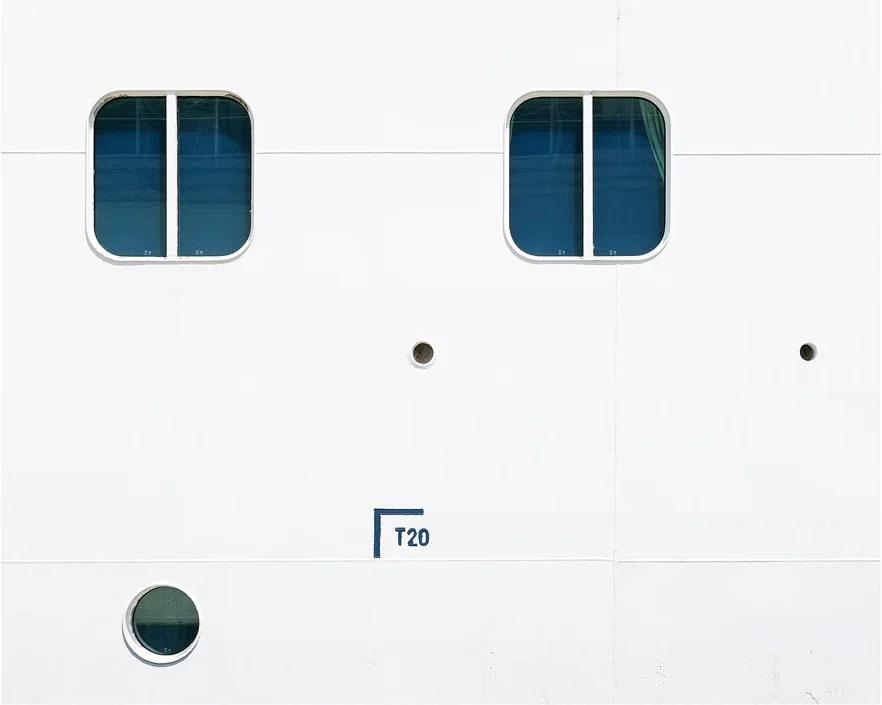
There were plenty of compositions to be found on the ship itself.

There were plenty of compositions to be found on the ship itself.

These striped pedestrian crossing poles are unique to New Zealand (I think), but it took me a while to find a suitable background for one.

These striped pedestrian crossing poles are unique to New Zealand (I think), but it took me a while to find a suitable background for one.

SDIM0850-copy.jpg
SDIM0892-copy.jpg

Outback NSW With The Sigma SD-H

A few weeks I flew out to Broken Hill, driving back through White Cliffs and Cobar. It was clear to see the effect the drought is having on both the land and the people. It’s an extremely unforgiving environment, and I’ve tried to impart that in this series of photos I’ve titled ‘Broken’. It’s also uncompromisingly Australian, and again, I hope that cultural quirkiness shines through.

The lunar landscape that is White Cliffs, NSW.

The lunar landscape that is White Cliffs, NSW.

This also marks a new direction in my landscape photography, one more aligned with why I was drawn to the medium in the first place. It places emphasis on composition and minimalism, influenced by photographers like Christian Fletcher and artists such as Jeffrey Smart. It’s a far more observational sort of photography, turning the trip into a sort of photographic treasure hunt. There’s no more getting up at the crack of dawn or using a tripod. In fact, these kinds of photos work best in the glaring right on the midday sun. It’s almost the complete opposite of traditional landscape photography.

Old tanks at the Junction Mine in Broken Hill. The texture the SD-H picked up is incredible.

Old tanks at the Junction Mine in Broken Hill. The texture the SD-H picked up is incredible.

And I loved it. Every. Moment.

This is the first trip I’ve taken with the Sigma SD-H after my DP1 gave up the ghost. I took the Sigma 50mm f1.4 ART and also the Sigma 24mm f1.4 ART, though I only used the 24mm for a few shots. Both lenses are excellent, as is to be expected, but I did find the 50mm length (which is slightly tele on the cropped SD-H sensor) was better suited to this work and probably all I need.

I haven’t had this much enjoyment from photography in a long time. It’s definitely a move in the right direction.

I haven’t had this much enjoyment from photography in a long time. It’s definitely a move in the right direction.

The 50 1.4, as great as it is, though, is HEAVY. The biggest benefit of the DP Quattros was their small form factor. They are so light and transportable, but the 50/SD-H combo is much more in line with a DSLR. Coming from a Phase One, even the RB67, however, it felt like a feather!

Few things weather well in the Australian outback. This was a disused fuel tank.

Few things weather well in the Australian outback. This was a disused fuel tank.

I was really impressed with the SD-H. It improves on the Quattros in many important areas, notably AF, dynamic range, focus peaking, EVF etc. It’s still a niche product that won’t be useful to 90% of photographers, but for this kind of work it’s almost unbeatable at this price point. It’s not ‘medium format in your pocket’ any more, but it does provide medium format-like results at a fraction of the cost—the detail and tones are just that good.

My main focus these days is minimalism. It’s harder than you would imagine to find clean, uncluttered compositions.

My main focus these days is minimalism. It’s harder than you would imagine to find clean, uncluttered compositions.

Yes, the software still sucks, and yes, it’s slow, but it’s always worthwhile when you open up the files and see all that juicy information on offer. Scrolling around the images at 100% I was amazed how much I’d missed taking the shot in the first place-a treasure hunt within the treasure hunt, so to speak.

The side of a charity clothing bin—Not your usual subject fodder

The side of a charity clothing bin—Not your usual subject fodder

I did start to get overheating warnings with the SD-H, though it was around 38 degrees Celsius in the sun, nor did it probably help I’d left my camera back in the back of a cooking car for a few hours. I haven’t had the same issue since.

Trip-wise, I’d never been to the outback before, so this was a real eye-opener. The textures and colours on offer were wonderful. Even the most banal and mundane subjects provided unique photographic opportunity, and I’m certainly looking forward to finding more in 2019.

See the full gallery HERE.

There were some impressive murals spotted during our road trip. There’s a lot of artistic talent in the outback.

There were some impressive murals spotted during our road trip. There’s a lot of artistic talent in the outback.

This brickwork has such a distinctly Australian feel to it. It’s a common sight around the country.

This brickwork has such a distinctly Australian feel to it. It’s a common sight around the country.

Simple, as they say, is often best.

Simple, as they say, is often best.

White Cliffs offers up an alien landscape perfectly suited to this kind of photography.

White Cliffs offers up an alien landscape perfectly suited to this kind of photography.

This solar farm was once at the cutting edge of solar technology.

This solar farm was once at the cutting edge of solar technology.

Mamiya RB67: The Joy Of Medium Format Film

While my landscape work is predominantly digital, I do like to use film from time to time for a change of pace, to shoot the kids, etc. A good photographer friend of mine was kind enough to send up his father’s Mamiya RB67 medium-format film camera a few years ago with the 90mm f3.8, a couple of backs and so on. It sat around for quite a while until I finally decided to give it a crack.

Jason Round Mamiya rb67.jpg

Having never shot medium-format film before, the learning curve was steep. Even now I’ve got a good handle on it I make mistakes, which is costly when each shot is around $5 AUD considering developing, processing and scanning (I use Atkins in South Australia). However, the results you can get from medium-format film (and I’d happily assume large format if I could afford it) cannot be beat.

Jason Round Mamiya rb67 8512-02-copy.jpg

I use Porta 400 exclusively now after finding 100 too slow and the grain negligible between the two. It’s such a wonderful film that provides perfect skin tones every time and offers monstrous dynamic range. It’s almost impossible to overexpose. The creamy highlights, the tones… It’s everything film should be. I rate the film at 200 and use a basic phone app for metering even though I have a spot meter, always aiming to shoot 1/125th or higher to avoid shake and slap, especially with a mirror of this size. When the Mamiya takes a shot, you know about it!

Jason Round Mamiya rb67 8519-02-copy.jpg

It sounds straightforward, but there’s a real process you have to follow with each shot (unlock, dark slide, orientation, cock, aperture, speed, focus), which can be difficult when you’re dealing with jumpy kids keen to get on with playing or running about. The hardest part for me has been nailing focus, especially at the pointy end of f3.8, but shooting at f5.6 has helped a great deal, and simply taking my time. This is not a run-and-gun camera, folks.

8518-06-copy.jpg

I challenge anyone, photographer or otherwise, not to look down into that viewfinder and fall immediately in love. It’s such a beautiful thing, almost another world in there. I know the RZ67 is often touted as the better camera given its faster lens offerings, but I like the fact the RB is all manual, having to wind each shot and so on, plus it makes for a handy self-defence tool should anybody get in your way. I’m serious, this is the M1 Abrams of the camera world, utterly indestructible.

8516-07-copy.jpg

This series was shot over the course of a few months using 10 rolls of Porta. My keeper rate was probably 75%, which is better than it has been in the past, but it’s still an expensive way to take photos. I could learn how to develop and scan myself, true, but I simply don’t have the time. I know a lot of people enjoy that part of the process, but that’s not me.

8517-03-copy.jpg

People often ask me what the appeal of medium-format film is, especially when the difference can seem small to those unfamiliar with photography compared to digital but the cost so prohibitive. But when they look at the files, there is always the same response, because people are simply drawn to that warm sense of nostalgia they seem to evoke. The photos have ‘life’…

Jason Round Mamiya rb67 3681-06-copy.jpg

As a photographer, I put it down to the silky tonal graduations, smooth highlights, and unique separation offered by this combo of film and larger format, but to everyone else they simply look timeless, and that is really all you can ask for. If you’ve never shot film before, give it a shot. You might be surprised how much it fills the soul (and empties your wallet).

Jason Round Mamiya rb67 8512-09-copy.jpg
Jason Round Mamiya rb67 8521-06-copy.jpg
Jason Round Mamiya rb67 90s0s.jpg
8512-03-copy.jpg
Jason Round Mamiya rb67 8517-10-copy.jpg
Jason Round Mamiya rb67 8521-10-copy.jpg

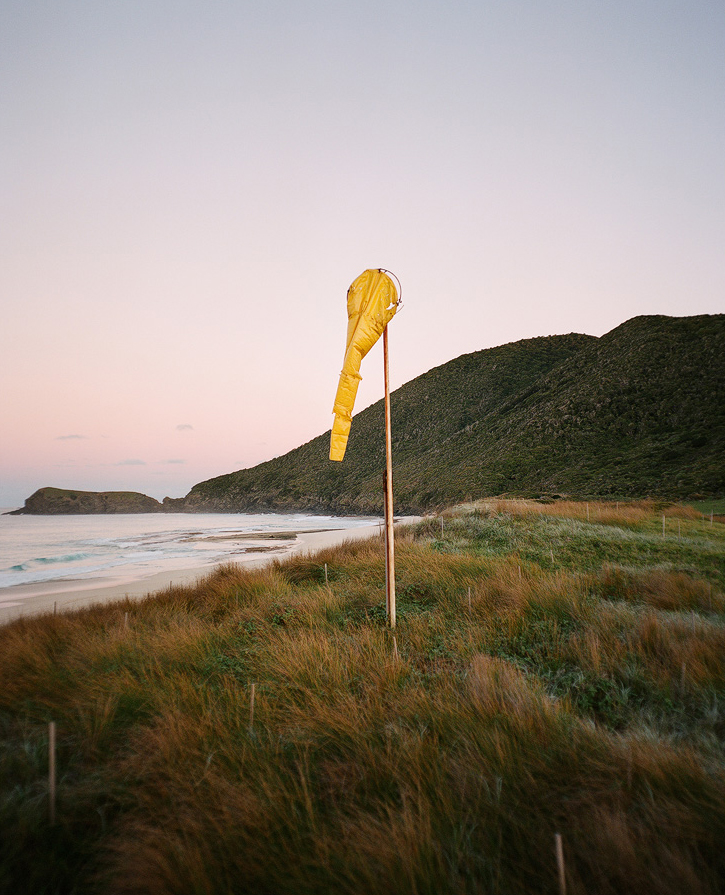
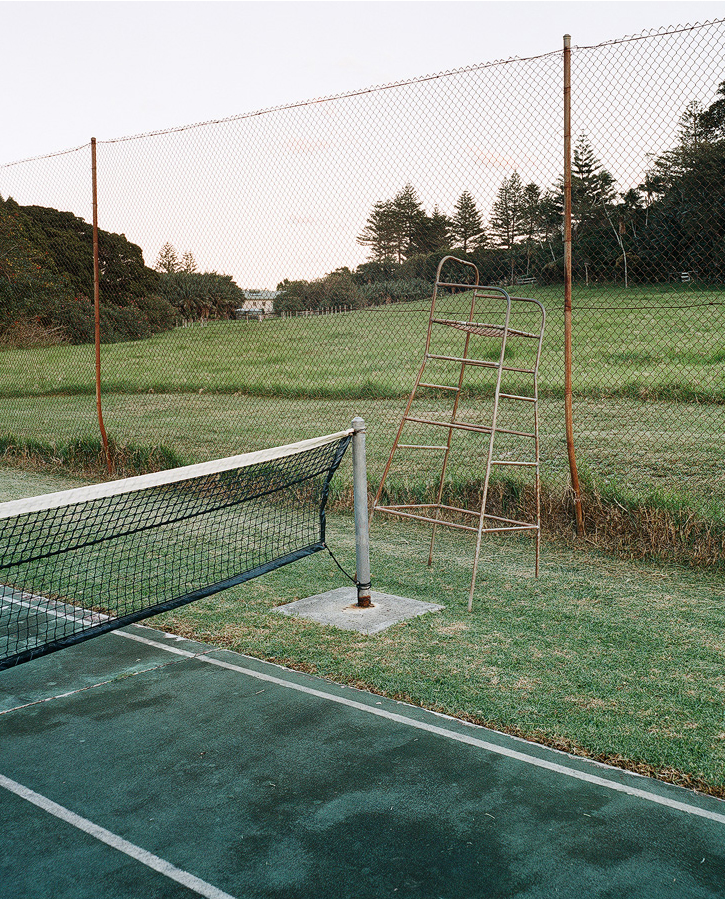
Lord Howe Island: Mamiya 7 Film Photography

I’ve been wanting to visit Lord Howe Island for quite a while. Only a few hours from Sydney, it’s a true paradise. I recall reading an interview with someone who had travelled to every country in the world. Their favourite place of all? You guessed it, Lord Howe.

Lord Howe Jason Round-copy.jpg

We were lucky enough to stay at Pinetrees Lodge, voted by Tripadvisor as the number one hotel in Australia. It’s not hard to see why when you arrive, given the wonderful food and service on offer. It’s on another level. Of course, the epic surroundings help, and they’re easy to find.

Lord Howe Jason Round 3678-08-copy.jpg

I took the trip in the middle of a gear conundrum. When my Sigma DP-1 died, I finally decided to jump into a P-series Phase One system. I’ve been lusting after a Phase One for as long as I can remember, but never quite had the funds. Funnily enough, I soon as I started to use it I knew it wasn’t for me. I think I expected to point and shoot and only get magic in return. The results were great, but given the size and bulk of the system, the dual batteries, the cumbersome AF and glitches, I couldn’t do it.

Lord Howe Jason Round 3678-02-copy.jpg

Impressed by the results I was getting from the Mamiya RB67 and looking at the work of Patrick Wack, I decided to go all-in with film and purchase a Mamiya 7 with 65mm f4 lens. It wasn’t cheap, but it’d done my homework and subsequently decided ‘this is the camera that will make my work great!’.

Many people call the Mamiya 7 the best camera ever made. Using one, it’s easy to see why. They’re just naturally fun (and easy) to use. There is little clutter to get in the way of process. It really helps you get on with the job. It’s also beautifully designed and feels great in the hand. I used Porta 400 exclusively, running through about a roll a day for the half-week we were there. I was having a blast on the island using the Mamiya. It seemed like this would be ‘the one’, even if it was a bit nerve-wracking getting the film through the airport.

Lord Howe Jason Round 3680-01-copy.jpg

The results, as you can see, are fine. The 6x7 format works, the tones are wonderful and it gives a real, soft sense of the island. So, why did I sell the Mamiya when I returned home? I was excited to get the files back when I got back. I processed the whole lot in about an hour, but every time I zoomed in I was disappointed. The edges weren’t as sharp as I was expecting, the grain was more prominent… It sounds ridiculous, but I missed that clinical cleanliness of my digital files and the latitude for post-processing. The expense of processing and developing also played a factor (around $5 a shot AUD), so I made the hard decision to give the Mamiya up. I still have my RB67 to personal work, preferring its ability to focus closely over the 7 as better suited to portraits.

If you are considering a Mamiya 7, I’d go for the Mamiya 6 instead, which is more or less the same thing but with a square 6x6 format and a hell of a lot less in terms of cost. There are only a couple of lenses for the Mamiya 6, but I think this is actually an upside in many ways. Many 6 owners have the full set. Either way, there are both wonderful cameras and probably the pinnacle of rangefinders. If film is your thing, you’d be hard-pressed to find better. For me, it’s back to Sigma.

Lord Howe Jason Round.jpg

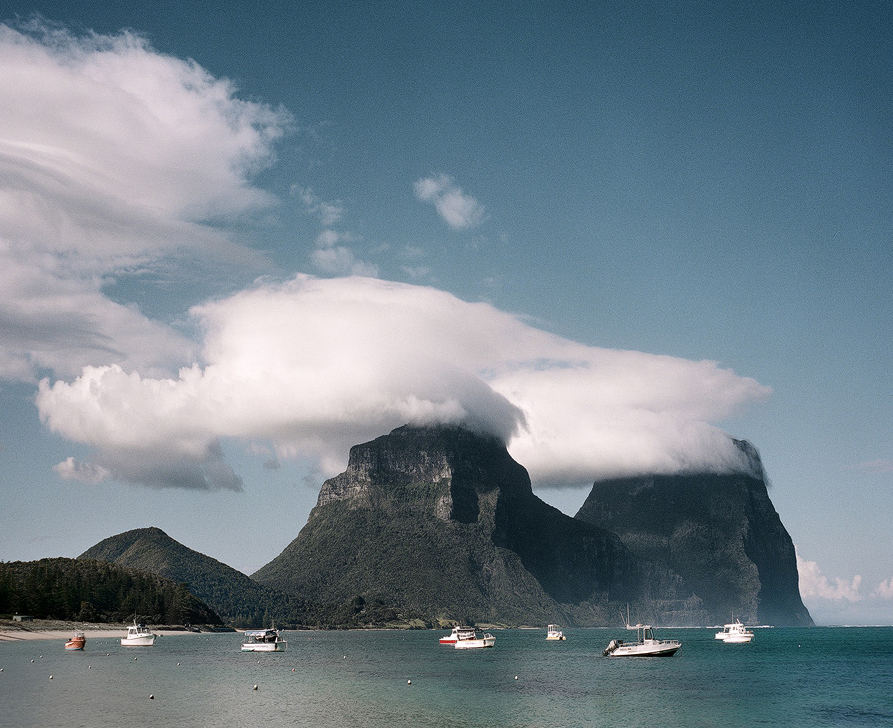
As for Lord Howe itself, I’d love to return. It’s hard to beat a BBQ by the beach, Mt Gower looking on, pristine water ahead with barely a soul around. Then again, I’m pleased it remains a hidden secret of sorts.

While I got around to most of the island’s iconic locations, including the hike up Mt Gower, I never got to the one I wanted to see most: Ball’s Pyramid. This giant sea stack alluded me all trip. I could see it out there on the horizon but could never get close enough given the conditions. There was not a boat on the island willing to go out. I even tried to charter a plane, to no avail. But as the hotel staffer told me, ‘You have to leave something to come back for, right?’. Hopefully next time I’ll get to see it up close and add it to my Icons series. Time to get saving again then, I guess…

Some more images for you:

Lord Howe Jason Round 22222.jpg
Lord Howe Jason Round 3679-02-copy.jpg
Lord Howe Jason Round 3679-05-copy.jpg
Lord Howe Jason Round 3680-09-copy.jpg
Lord Howe Jason Round 3678-07-copy.jpg
Lord Howe Jason Round 3682-03-copy.jpg
Lord Howe Jason Round 3679-08-copy.jpg
Lord Howe Jason Round 3680-02-copy.jpg
Lord Howe Jason Round 3680-03-copy.jpg

Western Australia's South West With The Sigma DP-1

In late 2017 a friend and I made the journey to south-west WA. I’ve long wanted to visit this part of the country, and it did not disappoint. After a day in Perth, we drove down to our base of Dunsborough from which to explore everything this region of Western Australia has to offer.

If you’re looking for pristine, postcard-like beaches, rugged coastlines and more, this is it. It’s a wonderful part of the world ripe for landscape photography. We visited Christian Fletcher’s gallery in Dunsborough for inspiration and I was blown away by the work on offer. It’s a must-see if you’re ever down that way (with a great café next door to fuel up).

Not the actual Sugarloaf Rock, but uniquely impressive in its own right come sunrise.

Not the actual Sugarloaf Rock, but uniquely impressive in its own right come sunrise.

If it is drama you are looking for, the South West coast of Australia does not disappoint.

If it is drama you are looking for, the South West coast of Australia does not disappoint.

We tackled the usual spots, including Sugarloaf rock, driving around the region and getting as far as Cape Leeuwin. A big ol’ python managed to find me in one of the bush toilets, which was fun, but most the wildlife was to be found in the second part of our trip to the Sterling Ranges.

The Sterling Ranges are reasonably remote. I think we saw maybe a couple of cars the whole time. There’s a single café and… that’s about it. It is a unique landscape in constantly changing weather. In a word, dramatic.

Fremantle offered so many photographic opportunities. This is actually my favourite image from the trip. It’s where I want my photography to head.

Fremantle offered so many photographic opportunities. This is actually my favourite image from the trip. It’s where I want my photography to head.

While there are many hikes you can do in the park, we stuck to the most popular—Bluff Knoll, ascending in an hour or two. Bluff Knoll has its own microclimate, so what started out as a sunny day at the beginning of our hike soon turned into a complete gale-force whitewash at the top where you could barely see in front of you. It was still a great walk, though, and highly recommended no matter the conditions.

We stayed in the very unique Dakota DC-3 plane accommodation at The Lily in the Stirling Ranges. It’s an odd sensation sleeping, and showering, in the interior of a plane, but it’s a great story to tell when you back, and the owners are fantastic.

A rainbow near Bluff Knoll in the Sterling Ranges of Western Australia

A rainbow near Bluff Knoll in the Sterling Ranges of Western Australia

There’s plenty of vineyards in the region… and plenty of great food to match. Here I was aiming for a more painterly approach

There’s plenty of vineyards in the region… and plenty of great food to match. Here I was aiming for a more painterly approach

Throughout the trip I used my Sigma DP-1. It still looks pretty amusing in that giant backpack I have, but it performed admirably, waiting until our very last day to die to finally give up on me (I couldn’t lock in a fixed aperture). I don’t imagine the sea spray and general wear and tear I’ve put it through helped, but hey, at least it was an excuse to go shopping for a new system. More on that soon.

In short, if you can get down to Western Australia’s south west, you’re in for a treat. Don’t miss it. Here are some more images from the trip.

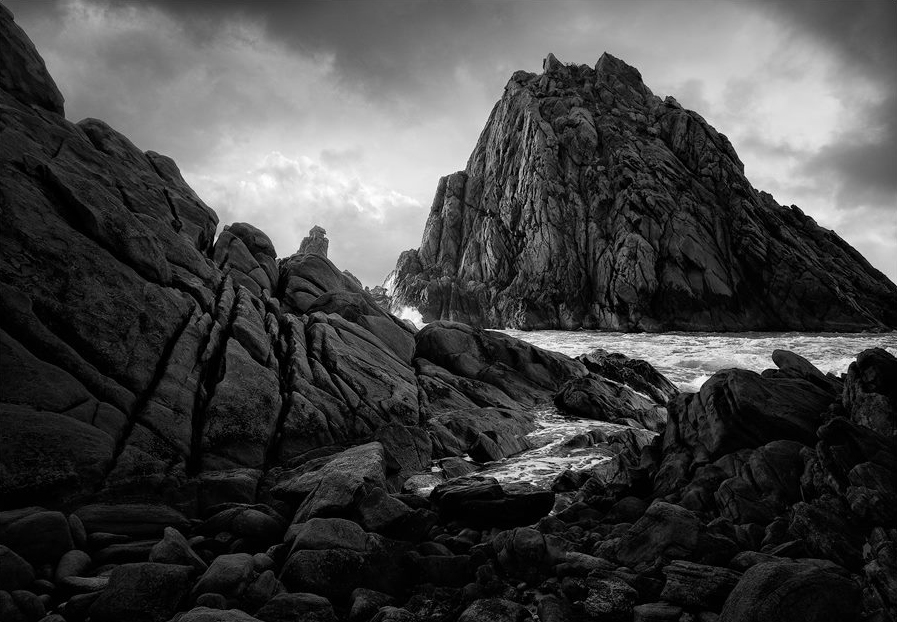
The mighty Sugarloaf Rock is such a striking formation. I thought black and white would serve it well.

The mighty Sugarloaf Rock is such a striking formation. I thought black and white would serve it well.

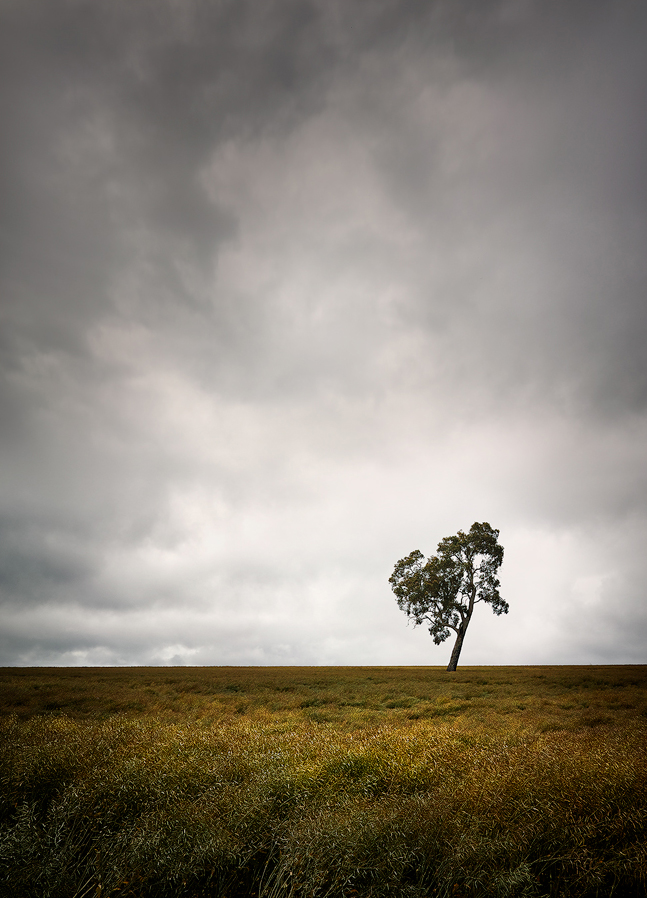
No photographer can resist a lone tree in a field.

No photographer can resist a lone tree in a field.

I could have shot in Fremantle for hours. There was just so much to take in the general public no doubt passes on by.

I could have shot in Fremantle for hours. There was just so much to take in the general public no doubt passes on by.

The famous Quindalup boat ramp.

The famous Quindalup boat ramp.

This was such an iconically Australian coastal scene I simply had to take a shot.

This was such an iconically Australian coastal scene I simply had to take a shot.

The microclimate of Bluff Knoll means you never know what you’re going to get weather-wise. It can change in an instant, and does.

The microclimate of Bluff Knoll means you never know what you’re going to get weather-wise. It can change in an instant, and does.

Boranup Forest with its towering trees is another must-see.

Boranup Forest with its towering trees is another must-see.

A few days wasn’t enough to take in all the Stirling Ranges had to offer.

A few days wasn’t enough to take in all the Stirling Ranges had to offer.

The Three Capes Track: Thoughts

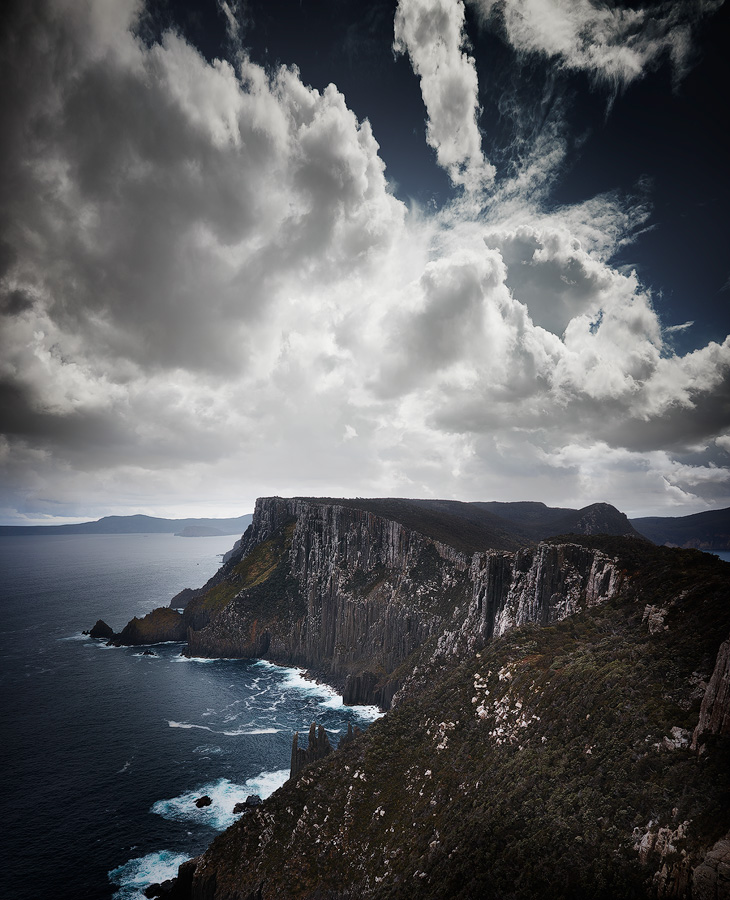
I’ve been meaning to do the Three Capes Track in Tasmania for a while now. TL;DR, it did not disappoint. From the memory-foam mattresses, to the USB phone chargers and excellent track work, you can tell a lot of thought and planning has gone into the track overall to make it as enjoyable as possible. But the real standout is the scenery—cliff lines towering hundreds of feet, dolerite galore and shimmering turquoise waters. It surely has to be one of the most scenic walks we have to offer.

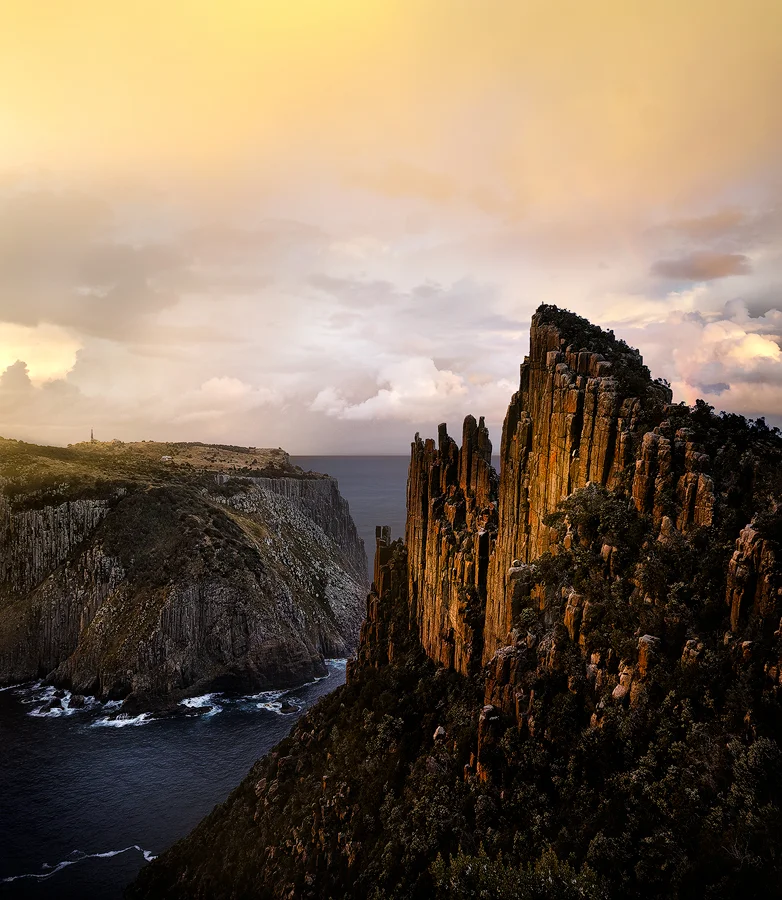
The Blade overlooking Tasman Island. You can see my friend Rob at the very top.

The Blade overlooking Tasman Island. You can see my friend Rob at the very top.

The track runs a span of 46km over four days, with three nights of (luxurious by hiking standards) accommodation. The walk is far from taxing. In fact, I’d hazard most of our group firmly fell into the later end of life. It’s designed in such a way you can really take your own pace, as fast or slow as you want, and I’d err on the latter if you’re looking for maximum enjoyment.

The price of admission includes entry to the Port Arthur Historic site and a boat ride to the start of the track courtesy of the excellent Pennicott Wilderness Journeys. There is talk of expanding the track to include Cape Raoul, but as its own I think it’s just about right.

The view from the helipad at one of the huts as a storm cleared.

The view from the helipad at one of the huts as a storm cleared.

There’s also a great deal in terms of environs. The last day in particular sees you moving through a mossy beech forest that could well be the South Island. There is almost always something to see, including a variety of keenly placed sculptures and art installations with apt names like ‘My Blood Runs Cold’.

Photography-wise, it can be a bit of a challenge. I took just one camera, the Sigma DP1, but it would have been nice to have a lens in the tele range, especially shooting from some of the huts where the capes are a bit further out.

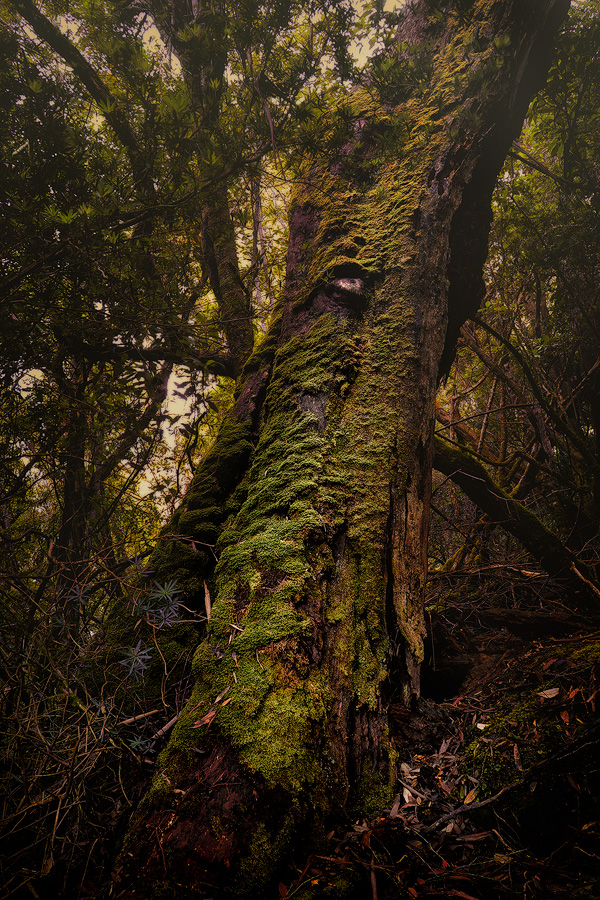
Part of the magical beech forest heading up Mt Fortescue.

Part of the magical beech forest heading up Mt Fortescue.

The highlight was, of course, the Blade, a sharp, towering formation overlooking Tasman Island and the infinite beyond. This required a very early start the night before and a climb up in the dark and rain, but the view was well worth the effort and a must if you’re looking to capture the Blade in its best light. For astrophotography, it would be great, though the Sigma isn’t much good above ISO 100.

Having done a bit of rock climbing in the past, I was especially excited to see two young men tackle the Totem Pole at Cape Hauy while we were there, a rarity given only 20-30 climbers take it on a year. It required the lead climber to abseil right down to the water and then bridge the gap by penduluming off the main face and lunging for an anchor point, all while the swell tossed and turned only feet below. Talk about a heart-racing climb!

My favourite image from the trip showing  a sudden storm moving out into the ocean. Sights like these are a regular occurance.

My favourite image from the trip showing  a sudden storm moving out into the ocean. Sights like these are a regular occurance.

As for track tips, pack as much fresh food as you can, at least for the first day or two before everyone inevitably pulls out their Back Country dehy meals (never again). The kitchen facilities are excellent. I even managed to smuggle in a half-dozen fresh eggs. People were cooking up steak and vegetables, dhal, hand-made pasta… You name it.

I’d also suggest packing as light as you can, keeping in mind you can leave unwanted bulk at the Port Arthur Historic Site (at the visitor’s centre at the top, not down near the jetty). It’s a very short walk on day one, so you’re better off taking the later boat and exploring the port. The same goes for the last, and most strenuous, day to Capue Hauy and the postcard-like Fortescue Bay. The last thing you want to be doing is rushing to catch your bus.

A similar view prior to the rain and storm activity.

A similar view prior to the rain and storm activity.

Pack for all weather. We had everything—hail, rain, sun, storms. As it’s Tassie, the UV is a lot stronger as well, so be sure to bring ample sunscreen and a hat/long-sleeved clothing. While you’re at it, allow a day or two of R&R in Hobart. Visit MONA, eat at the Machine Laundry Cafe and take it all in. It’s a surprisingly happening part of the world.

More information HERE.

Tasman Island as seen from the very top of the Blade. I have to admit, it's a rather daunting position with the wind and exposure, but what a view!

Tasman Island as seen from the very top of the Blade. I have to admit, it's a rather daunting position with the wind and exposure, but what a view!

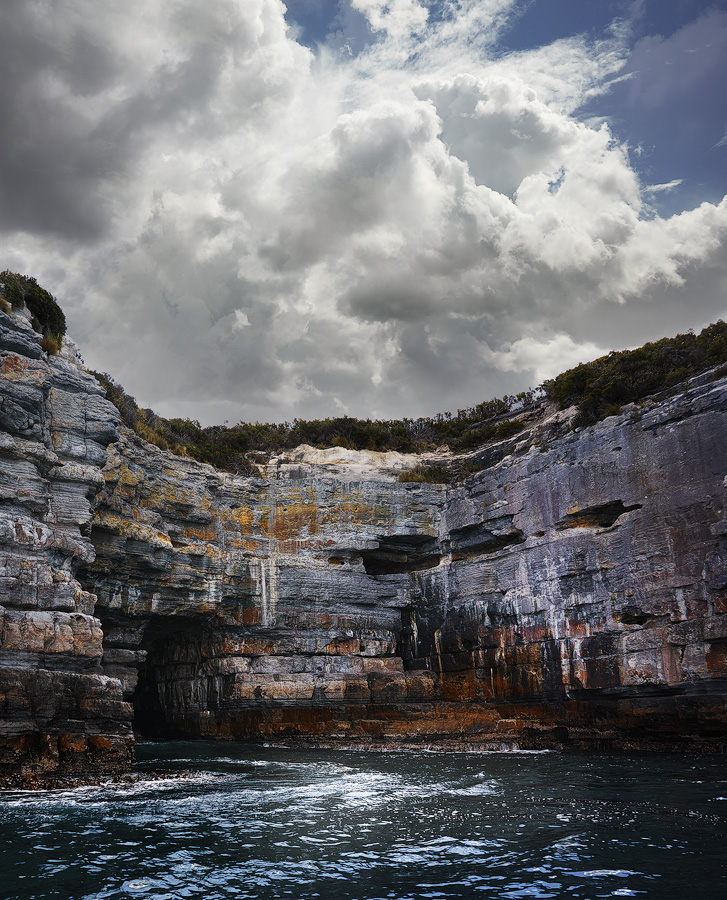
The track includes a boat tour. Here we have what our captain referred to as the 'nostril cave'.

Landscape Photography In The Warrumbungles: A Year With The Sigma DP1 Quattro

I recently spent a weekend in the Warrumbungle region, which apart from having the greatest name ever for a national park, is also ripe with photographic opportunity. We stayed at Coonabarabran, roughly a half hour from the Warrumbungle National Park. Coona itself is five hours from Sydney, so not too bad in the scheme of things. This trip also marked my Sigma DP1’s first birthday, but we’ll get to that later.

The big draw is the Grand High Tops circuit, a roughly four-hour loop that takes in all the famous peaks the park has to offer. The rock formations themselves are remnants of an eroded volcano active 13-17 million years ago. The volcano itself was estimated to be 1km high and 50km wide, so rather large. Standing up there, you can certainly picture it.

The Grand High Tops walk is impeccably maintained. There’s a paved track for a fair heft of the way, new staircases and plenty of rest areas. It’s far from the bush track it used to be. Even the camping facilities down the bottom are first rate. Just make sure you remember where you parked your car…

About 15min into the walk I realised I was going to get some serious blisters trying to break a new pair of boots in, but I pushed on. Suffice to say, make sure you’re prepared with not only proper footwear, but water, food and warm clothing, as it gets quite cold after sunset.

I didn’t realise that the region is dubbed the ‘astronomy capital of Australia’, but at night it soon became clear why. I have never seen so many stars so vibrant in the sky. The Sigma, with its lack of high ISO prowess, doesn’t do astrophotography, but if you have a camera that does, you’re in for a treat.

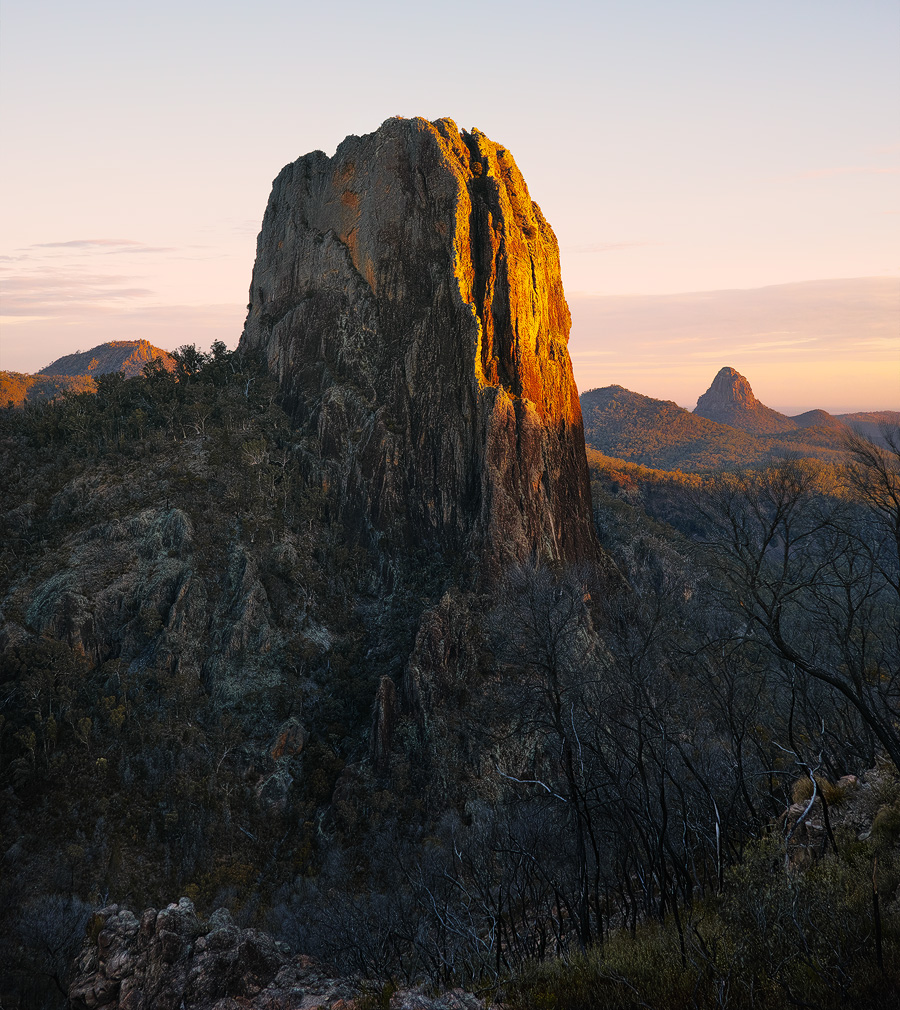
The main attraction in the Warrumbungles is the famous Breadknife, a thin (surprisingly thin) blade of rock that juts from the earth like something out of Jurassic Park. Rock-climbing is prohibited, but if you’re a crag fiend, fear not. There are plenty of other peaks to scale.

We headed up for sunset the first day where I shot the Breadknife from the top lookout, leaving Coonabarabran the following morning at 2:30am to catch sunrise back at the Knife at 5:30am. A word to the wise, camp at Balor Hut and save yourself the hiking.

Sunrise gifts you with golden light smacking the side of the Breadknife, but you have to be careful, as during certain times of the year the sun is blocked by Belogery spire to the right. I wasn’t aware of this, the sun only making it through by metres, enough to light half of the rock during the best light directly after sunrise. I don’t mind the look, however, as it provides shape to the dome in the background.

At the top lookout you can turn in any direction and find a mighty peak. Here’s Crater Bluff, an imposing peak that looks ripe for climbing. It was lit with the most magical light during sunset, but I wanted a comp a little out of norm. The result is actually my favourite image from the trip.

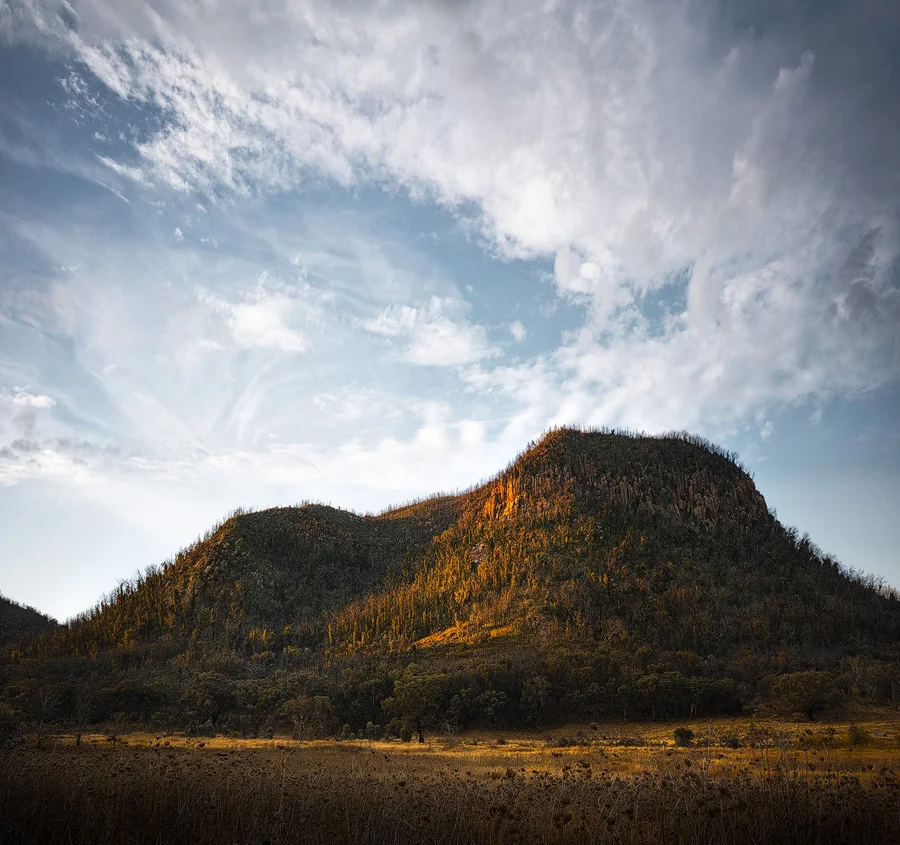
While the Grand High Tops is great, there are so many other peaks around the area that seemingly go missed, such as Timor Rock right next to the road. One morning we waited for sunrise and drove madly shooting all the peaks we could in the good light. Although the bushfires a few years ago were terrible, what they have done is remove the vegetation from many of these peaks, giving them an alien, spiny look. The lack of trees really allowed you to see the shapes and structures of the peaks unhindered. The new growth coming through is also photogenic in its own right.

Often I find the journey to a destination is just as interesting as the destination itself. The ‘Golden Highway’ is alive with expanse fields and rolling hills, but I was particularly drawn to abandoned structures, such as the motel and train station below in Dunedoo. I took these images handheld and they are perhaps the least processed of any of the shots I took during the trip.

A perfect stop on the way back to Sydney is Lake Windamere with its haunting trees. I could resist a quick long exposure (read: 30sec).

So, what are my thoughts on the Sigma DP1 Quattro after a year then? It truly has been a game-changer for me, putting me much closer to the kind of images I want to take. The detail and dimensionality continue to blow me away, but it is not without its faults. My biggest gripe is dynamic range, especially when the Sony sensors offer so much. I’m hopeful the new SD-H might address this, and a few other issues, such as a viewfinder and exposures longer than 30sec. It will be interesting to see how it compares.

Perhaps the greatest part of travelling with the DP1 has been its portability. It really is a pocket camera, taking up barely any room in my bag but delivering files that rival medium-format. Given its lack of high ISO usability, average screen and so on, it’s very much what I imagine using an older Phase One P25 would be like. I’d love to do a side-by-side some time.

People still look perplexed when I pull the DP1. Sitting next to a Mamiya RB67 on my shelf here it looks very, very small indeed. Honestly, I don’t think fellow photographers take it very seriously at all. Their loss, I say.

As for the Warrumbungles, get there ASAP if you can. The walks are super-accessible and I dare say the view from the top of the Grand High Tops is one of the best in the whole country. It’s ancient, mysterious and complete cat-nip for photographers. Go and see why.

Sigma Quattro DP: Medium Format In Your Pocket

For the last couple of years I’ve been agonizing over a replacement camera for my landscape work. My Canon 5D MkII served me well, but it was time to move on. At one stage I was a mouse click away from an A7R, looking forward to the increased dynamic range, portability and lack of an AA filter. When I started looking a little closer at the kind of photos I wanted to produce, however, I realised what I really wanted was the look and feel of medium format, that depth, detail and clarity you can never get with a 35mm sensor. So, I got serious about an older Phase One, something like a P25+ in the range of $10,000 AUD second-hand with body. I realised it would be no good at high ISO, slow and outdated, but it seemed like the only way to get on the Phase train.

Sigma DP1 - Looking up at orange lichen-covered rocks at Cape Forbin on SA's Kangaroo Island. f10, ISO 100 1/3sec

Sigma DP1 - Looking up at orange lichen-covered rocks at Cape Forbin on SA's Kangaroo Island. f10, ISO 100 1/3sec

The Pentaz 645Z popped up. I started looking at the older 645D as well, but both were still a grand investment. This was around the time award-winning Australian landscape photographer Christian Fletcher started preaching the Sigma Quattro gospel. I’d looked at the Quattros before, thought of them as a gimmicky love child of a boomerang and a remote control, but the more I looked at Christian’s Sigma files, the more I could not tell them apart from those shot with his Phase. Even Christian himself admits the Sigma Quattros are ‘medium format in your pocket’ and some of the best value cameras on the planet. When he told me you can happily print the Sigma files up to 60x40 inches without a problem, I was sold. Combine that with a frame and you’ve got a serious piece of art on your hands. It’s certainly large enough for my purposes.

Honestly, the last camera I expected to buy was a Sigma Quattro. I was expecting to pay $10,000 for a medium format camera, not $999 for a glorified compact, but I’m glad I took the gamble. What I’ve discovered since is that Sigma’s Foveon sensor combined with the fixed lenses of the Quattro series provide mind-blowing amounts of detail and a dimensionality (there’s a word for you) much more in line with medium format. It instantly stands out. I look at my Canon files now (anything non-Foveon, actually) and cringe. The Sigma ‘look’ is something that cannot really be defined, but something I believe will help distinguish my images from everyone else's out there. As someone said once, somewhere, in some place, if everyone is headed in the same direction, the only to stand out is to go against the stream. Amen.

Sigma DP1 - The unusual and remote Cape Borda Lighthouse. Defined subjects like this work very well when converted to 32bit HDR files from the DP1 if you want to suck out every last drop of detail. ISO 100, f7.1 1/125sec

Sigma DP1 - The unusual and remote Cape Borda Lighthouse. Defined subjects like this work very well when converted to 32bit HDR files from the DP1 if you want to suck out every last drop of detail. ISO 100, f7.1 1/125sec


ERGONOMICS

To put the Quattro DP1 to the test, I recently thrashed it on a three-day family holiday to South Australia’s Kangaroo Island, staying at the remote Cape Forbin. I took my 5D MkII as well, mostly for shots of the kids, but what actually happened is that the only shots the 5D took were of the Sigma.

The Quattros are fixed lens but come in a few different models. I went with the DP1, around 28mm converted, so wide, but not ultra wide. Much like Sigma’s Art-series lenses and complete brand overhaul, the Quattros share that same Batman-esque, minimalist aesthetic, one that has actually grown on me. Many have been quick to level criticism at the camera’s handling, but once you know how to hold them they’re actually much extremely stable (see here).

The slick styling runs into the menus and every aspect of the camera. It really is a stripped down, image-dedicated machine without fluff like video and 10,000 user modes. It has few buttons and many quirks. For example, shutter speed is limited to 30sec, ISO is only really decent between 100-400 before serious noise and the screen's a bit hard to see in direct light. Once you get to grips with everything, though, and the minimalist approach, it’s actually a beautiful and very simple camera to use.

Almost always looking for maximum detail and DOF without diffraction, it was simply a case of setting focus to infinity on screen, manual mode, ISO 100, a 2sec timer and somewhere typically between f8-f11. With those settings locked in, I found I was freed up to spend more time on what matters—subject and composition.

Sigma DP1 - The infamous Remarkables are massive, the size of houses, and a perfect study in composition. ISO 100, f8, 2sec

Sigma DP1 - The infamous Remarkables are massive, the size of houses, and a perfect study in composition. ISO 100, f8, 2sec

This is where the Sigma has improved my photography. I had to work within the constraints of the camera. That forced me to think and to shoot in different and unique ways. It was so refreshing not having to consider what ISO I needed, what f-stop and what lens to grab. All that was removed, allowing me to concentrate on the landscape itself and spend my time poring over possibility,

From the very first image that popped up onto the back of the camera, I knew I was onto something. I don’t know what voodoo is going on in that sensor, how many virgins have been sacrificed putting it together, but it is amazing. Almost like film, I’m dying to get back home and open the files up to 100% just to see the detail gathered—every little pebble, grain and blade of grass. The lack of an AA filter helps, but it’s the fact Sigma has been able to match the lens perfectly to the body that delivers such incredible results. Just look at what they’re doing with those Art lenses of late.

The portability is a thing of beauty. Medium-format cameras weigh a ton, as do DSLRs to an extent. This was like carrying around a feather. My Induro tripod (number six in a long line and the best so far) weighs about five times as much as the Sigma. The two look especially silly combined together, but I like things rock solid. And yes, you can fit the Sigma in your pocket, albeit awkwardly. It just looks a bit… weird. Definitely don’t try it on the subway.

Yes, the tiny Sigma looks very, very silly atop my Induro tripod, but its strength lies in its portability.

Yes, the tiny Sigma looks very, very silly atop my Induro tripod, but its strength lies in its portability.

It’s all so damn light in the backpack. Hell, you don’t really need a full backpack for it. You’d never guess it either, but the Sigma attracts a lot of attention from other photographers, mostly keen to see what the hell that “doorstop-looking thing” on your ballhead is. True story.

Sigma DP1 - The use of a polariser did away with glare and allowed the camera to see right through the crystal clear water surrounding Kangaroo Island. ISO 100, f11, 1/2sec

Sigma DP1 - The use of a polariser did away with glare and allowed the camera to see right through the crystal clear water surrounding Kangaroo Island. ISO 100, f11, 1/2sec


PROCESSING

Workflow has been serious issue for most who have tried the Quattros. They key is keeping it consistent. I shoot RAW and JPEG HI together. This allows me to quickly look through the JPEG files back home to see what I want to process before moving into the Sigma RAW editor, Sigma Photo Pro 6.

Much has been written about Sigma Photo Pro, most of it scathing. Many suggest it’s a deal-breaker in terms of speed, but with recent firmware updates I found it fine. You wouldn’t want to process a wedding with it, no, but for landscapes and a small group of files, it’s more than adequate. Speed isn’t blistering, but even with my humble PC it was a non-issue, especially batching.

The software itself is actually quite good. It really makes the most of the RAW files, tampering noise and doing away with the fringing that seems to plague this sensor. The fill-light function in particular is rather magical. Even shadows can be rescued significantly.

For more urban or structured images, I will use the camera’s in-built auto bracketing to shoot +2 0 -1 and then convert this to a 32bit HDR image in PS. It can then be worked on like a RAW file retaining all detail. The clarity slider can be pushed to new extremes in this way. Often, though, I find myself processing a single RAW file, or even using the JPEG if there are no fringing or noise issues that need addressing in SPP.

Sigma DP1 - A handheld shot down by the beach at Cape Forbin. Sometimes I find that when you can't find a comp or something interesting looking ahead, you have to look down. ISO 100, f5.6, 1/100sec

Sigma DP1 - A handheld shot down by the beach at Cape Forbin. Sometimes I find that when you can't find a comp or something interesting looking ahead, you have to look down. ISO 100, f5.6, 1/100sec

From SPP, I shift over to Photoshop for the bulk of processing. Oddly, I’ve found myself doing less processing than I normally would with these files. I’m also adding a lot less sharpening, actually removing it on the web files in many cases. Colours in particular took some getting used to given they’re much more on point. I use the ProPhoto colour space almost exclusively but sometimes delve into the Joseph Holmes DCAM 3 profiles if an extra push is needed.

Note that the dynamic range of the Quattro isn’t amazing compared to the Sony sensors. It tends to be quite harsh with highlights especially, but this is nothing to worry about if, like myself, you are familiar with blending exposures with the use of luminosity masks and the like. It’s a bit of extra effort in post, but given the extra detail and depth offered by the Sigma, I think it’s worth it. It’s also possible to focus stack, but I found at f8, f11, etc. I had no issues with DOF.

Sigma DP1 - You can bet I was hanging onto both tripod and camera real tight hanging out into the open over this drop. ISO 100, f8, 1/3sec

Sigma DP1 - You can bet I was hanging onto both tripod and camera real tight hanging out into the open over this drop. ISO 100, f8, 1/3sec


IN THE FIELD

Because it was winter, the weather was really on and off during the trip. Sun, rain, fog, seaspray, mud… the Sigma took it all on and came out unscathed. It does burn through a lot of batteries (Sigma actually supply two in the box), so I took four with me, but really the kit was super simple—the camera, a cloth and two filters (an ND10 and a polariser in 77mm). I just held the latter against the lens when I needed them, but in the future I might grab some with the right thread. I did have a release for the Sigma, but the 2sec timer was so effective I found I didn’t need it, so don’t waste your money. The ND10 was probably overkill given the 30sec exposure limit, so perhaps consider something a little less savage if you’re a fan of long exposures.
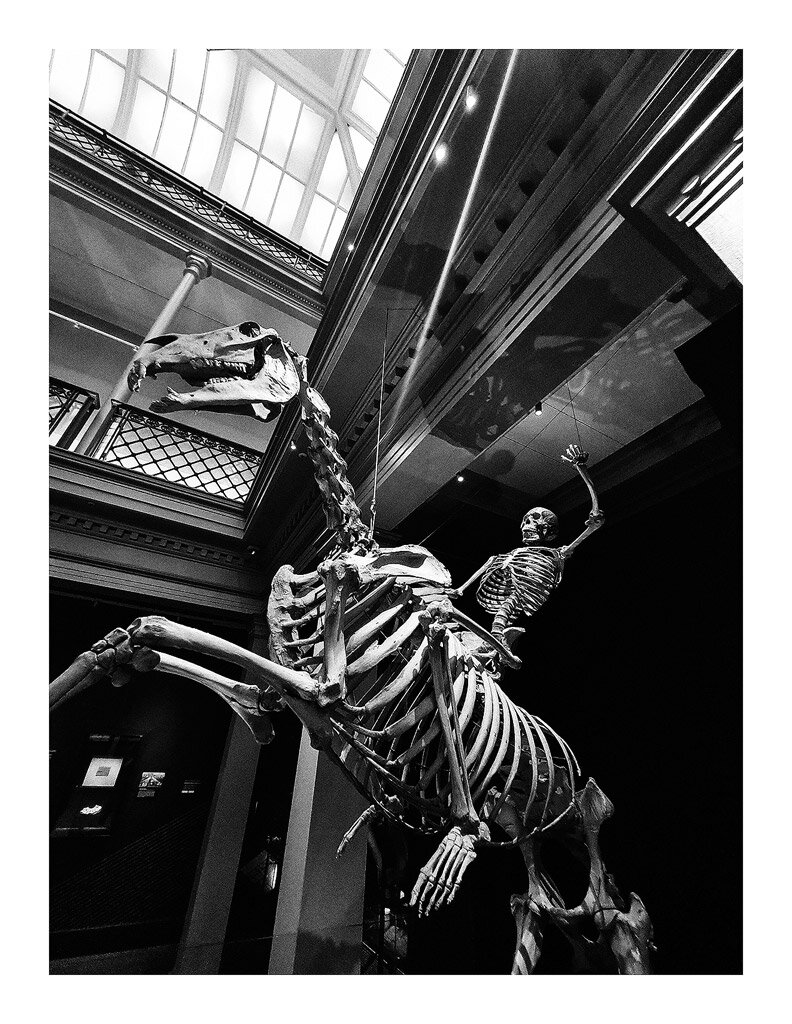
Sigma DO1. Yes, the Sigma does handle long exposures up to 30sec (camera limit) fine with no additional noise. ISO 100, f10, 20sec ND10

Sigma DO1. Yes, the Sigma does handle long exposures up to 30sec (camera limit) fine with no additional noise. ISO 100, f10, 20sec ND10

I’d read from the internet elite the Quattros were useless handheld, with poor AF and read times that killed any idea of candid shots. Funnily enough, I ended up using it for all the shots of wildlife/kids (same thing, really) on the island. In decent light the AF is surprisingly fast, and accurate. The colour rendering on the Sigma is also much better than the Canon, and the detail… well. That said, it works brilliantly tone- and detail-wise for the porcelain skin of kids, but your SO might not be too happy when you look at the files and can suddenly see every single little wrinkle and pore on their face.

Sigma DP1 - A candid of my daughter Emilie. I actually found AF to be surprisingly good. ISO 100, f2.8 1/320sec. Here's a look below at 100%. Note the detail in the hair above and below the lips and even specs of sand on her face even at f2.8. …

Sigma DP1 - A candid of my daughter Emilie. I actually found AF to be surprisingly good. ISO 100, f2.8 1/320sec. Here's a look below at 100%. Note the detail in the hair above and below the lips and even specs of sand on her face even at f2.8. This is a straight JPEG from the camera. No additional sharpening added.

SDIM0590.jpg


THE WHY

To wrap up, this is a perfect example of why you can’t always buy into what you read online, especially from keyboard warriors stuck taking pictures of their cats and coffee mugs. Take the advice of those out there using this stuff on a regular basis and be surprised. I know I was. I’m excited about photography again, excited about getting out there and then getting home to check out the tones and detail offered by the DP1.

Sigma DP1 - The Quattro DP1 is especially good in B&W thanks to the tonal graduation offered by the Foveon sensor. ISO 100, f8 10sec

Sigma DP1 - The Quattro DP1 is especially good in B&W thanks to the tonal graduation offered by the Foveon sensor. ISO 100, f8 10sec

It is said a good photographer doesn’t need good gear, but I think you should still be inspired by the equipment you have. The Sigma has provided this inspiration. There’s a lot it won’t do, but what it does do it does amazingly well. I’m actually going to grab a second Quattro soon in the telephoto range (DP3). I think the combination of semi-wide and tele will allow for most subjects. Stay tuned for more on the Super Sigs soon. In the meantime, check out more images from the trip on 500px.

Sigma DP1 - The grass was especially green after recent rains. ISO 100, f16 1/15sec

Sigma DP1 - The grass was especially green after recent rains. ISO 100, f16 1/15sec

Note: If you’re keen on giving the Sigma a go (and for $999 you’d be mad not to), I highly recommend Team Digital in Western Australia. PS: They’re also Phase dealers should you need to forgo a house deposit and grab the medium-format real deal instead.

Note note: I am not sponsored by Sigma (sadly). These are just my honest and truthful impressions of the camera. Don’t buy one. Just like Kangaroo Island, It’s probably best kept a secret.

Sigma DP1 - That water. Second Valley heading towards the Cape. ISO 100, f8, 1/20sec (blended)

Sigma DP1 - That water. Second Valley heading towards the Cape. ISO 100, f8, 1/20sec (blended)

URBAN DECAY

Along with the natural world, I am always interested in the urban environment, and especially that in decay.

These houses are all set for demolition, abandoned now for almost three years near my day job in Sydney's inner west. It's been quite remarkable to see these structures literally break down and the natural world begin to take over again. They have also made for an interesting composition study. I hope to do the interiors soon.

INFOCUS, YET AGAIN

Tada...

I apologise if I harp on about Infocus Australasia a lot, but it's just a fantastic magazine. I've been a traditional magazine editor for almost a decade now, and while I've watched as print mags have withered away to almost nothing in terms of readership and sustainablity, mags like Infocus are the future. The readership is there, the advertising is there and, most importantly, so is the content.

I was lucky enough to have one of my images grace the latest cover again recently. Inside you'll find an extensive feature I put together on dynamic range and panoramas, including many of the tips and techniques I have learned over the last few years.

The image on the cover was taken at a glacier on the South Island of New Zealand, handheld at at a low shutter speed to retain a low, and thus noise-free, ISO. It was absolutely freezing. I actually thought my hands were going to drop off as I was taking this in the rain and sleet. I didn't make it to start of the glacier, but I couldn't resist popping off a few frames of this very Lord of the Rings-style scene on the side of track as everyone just kept walking on by. As they say, it's sometimes the journey, not the destination, that matters.

Grab Infocus today. It's free!