ricoh gr

Country NSW With The Ricoh GRiiix

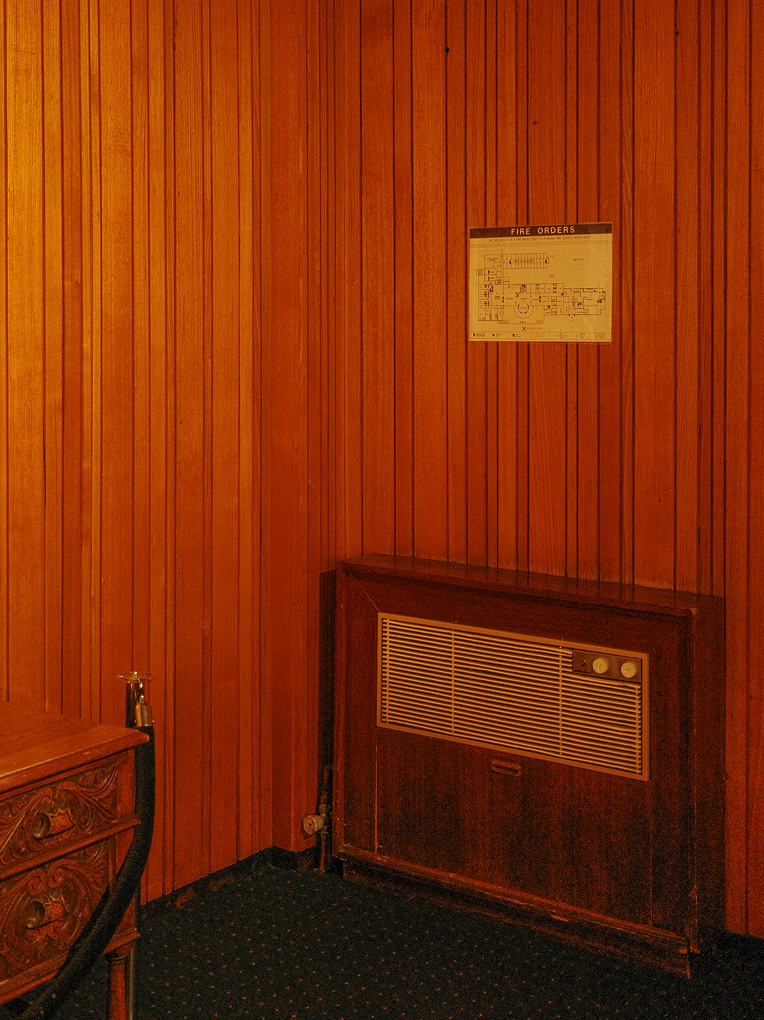
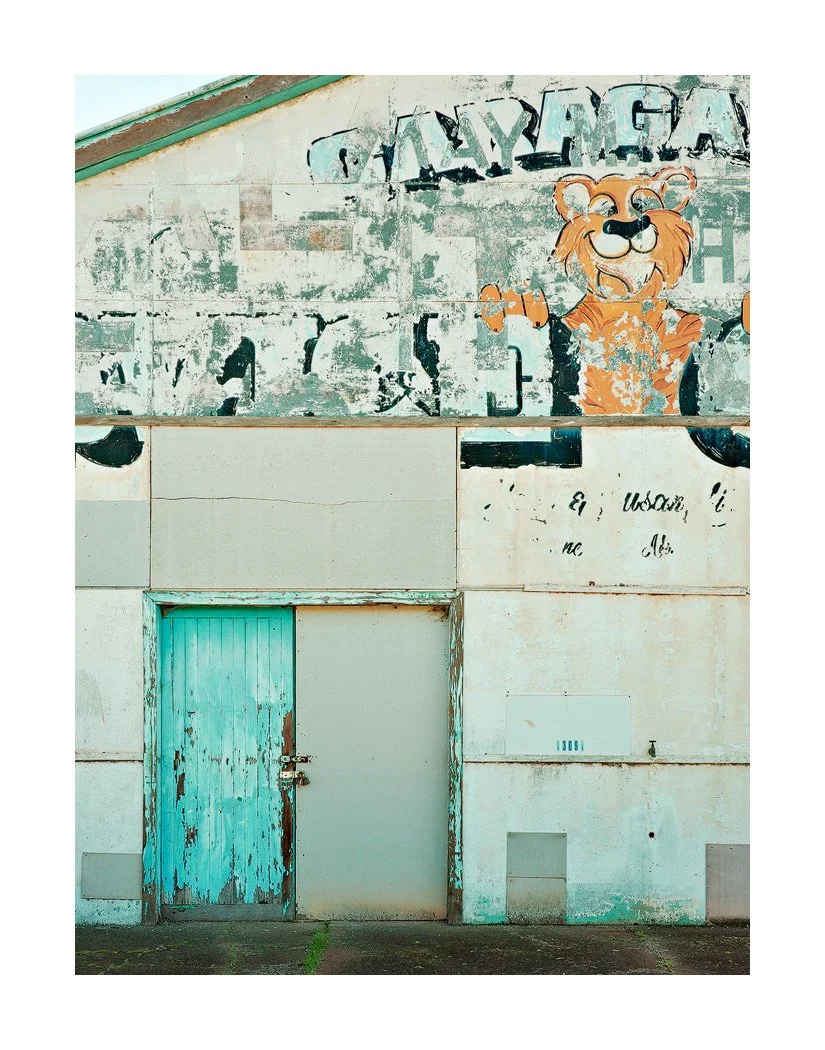
It’s official. I have lost my mind. To the surprise of no one, I sold my Fuji XT5 and picked up a Ricoh GRiiix (40mm equivalent). But it’s half the megapixels! It’s a compact! It’s not a serious camera! We will get to that, but what about the XT5?

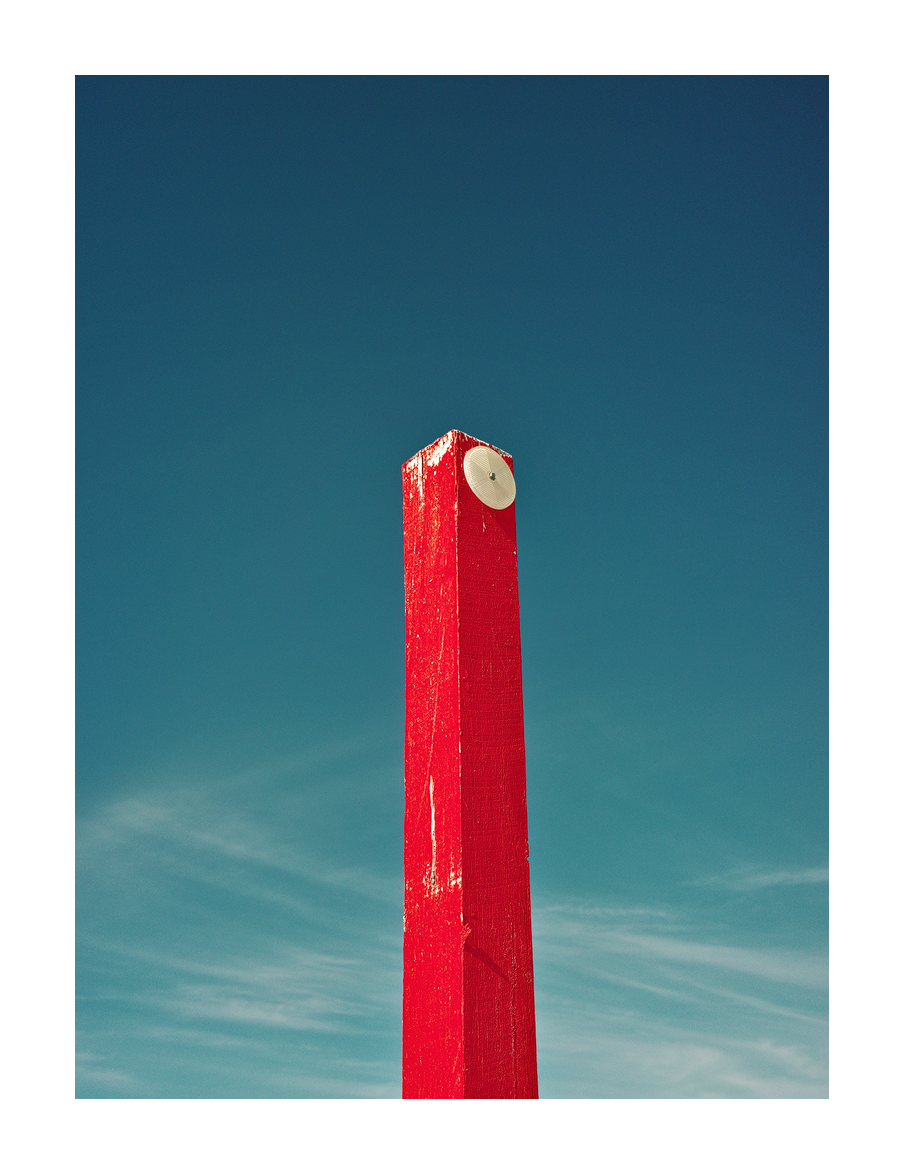
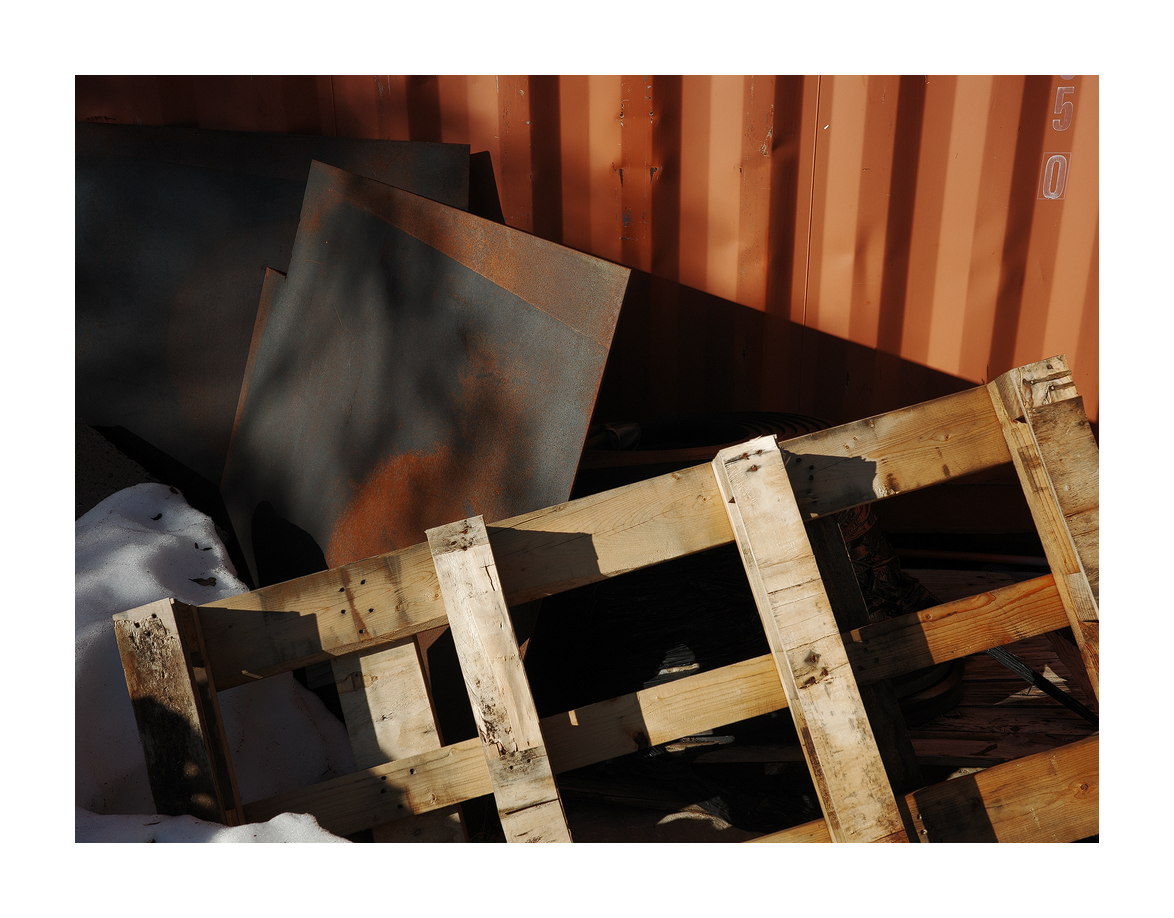
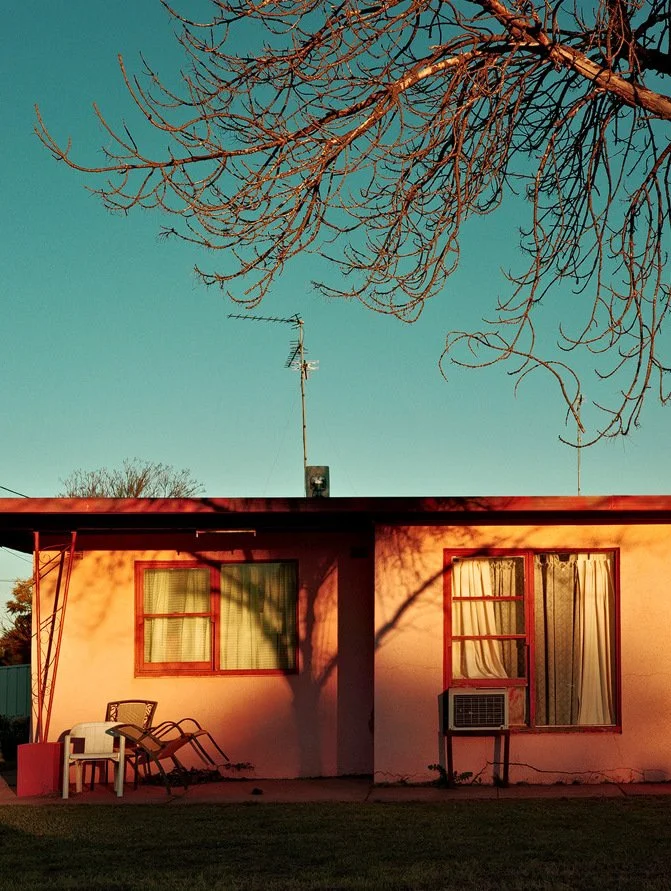
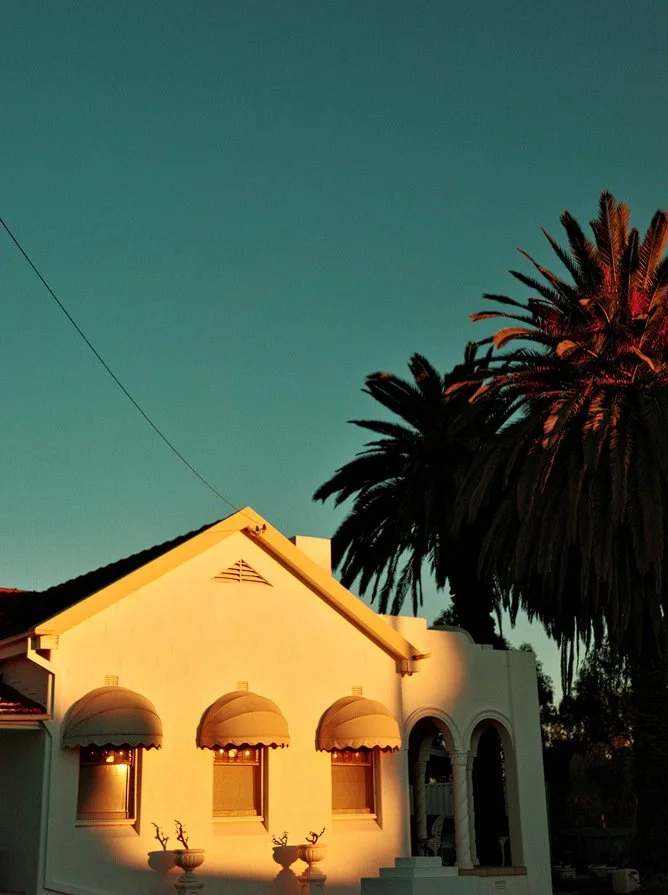
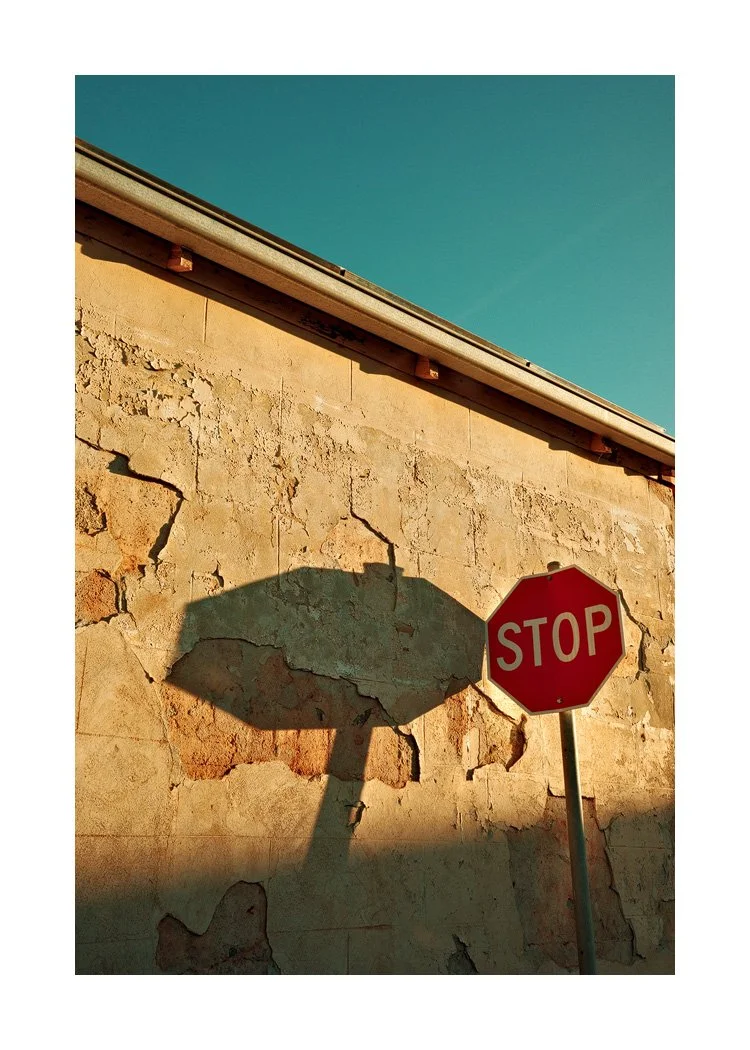
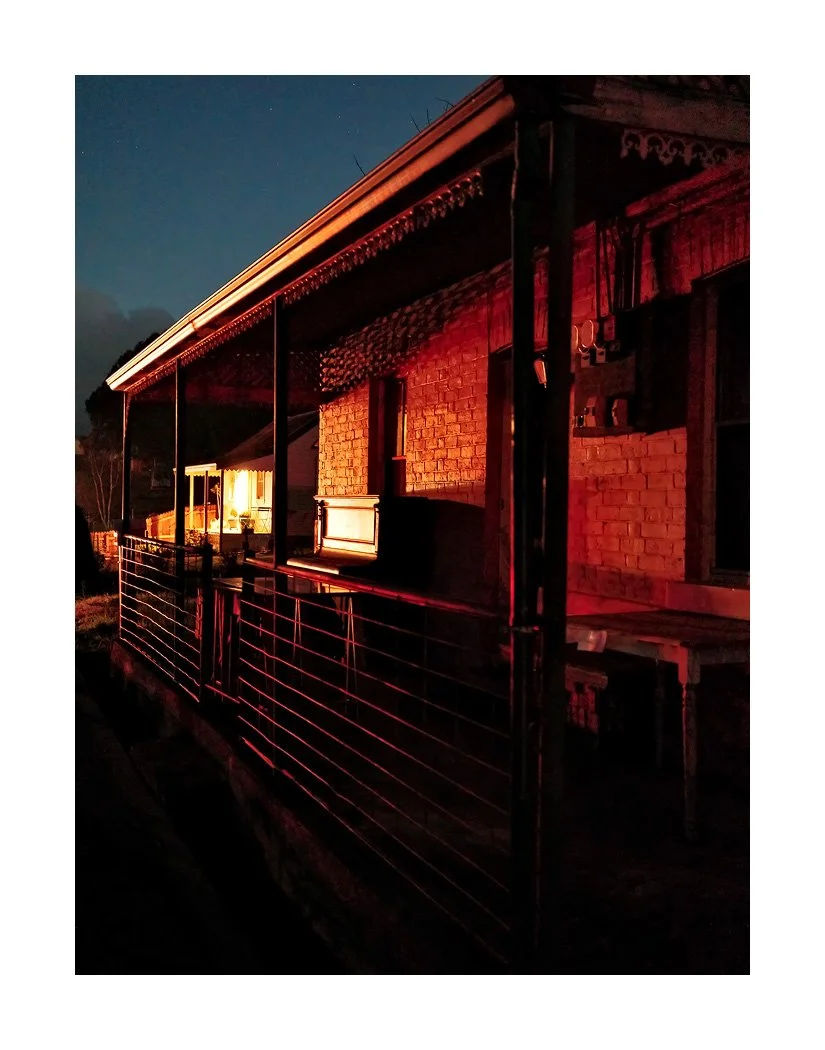
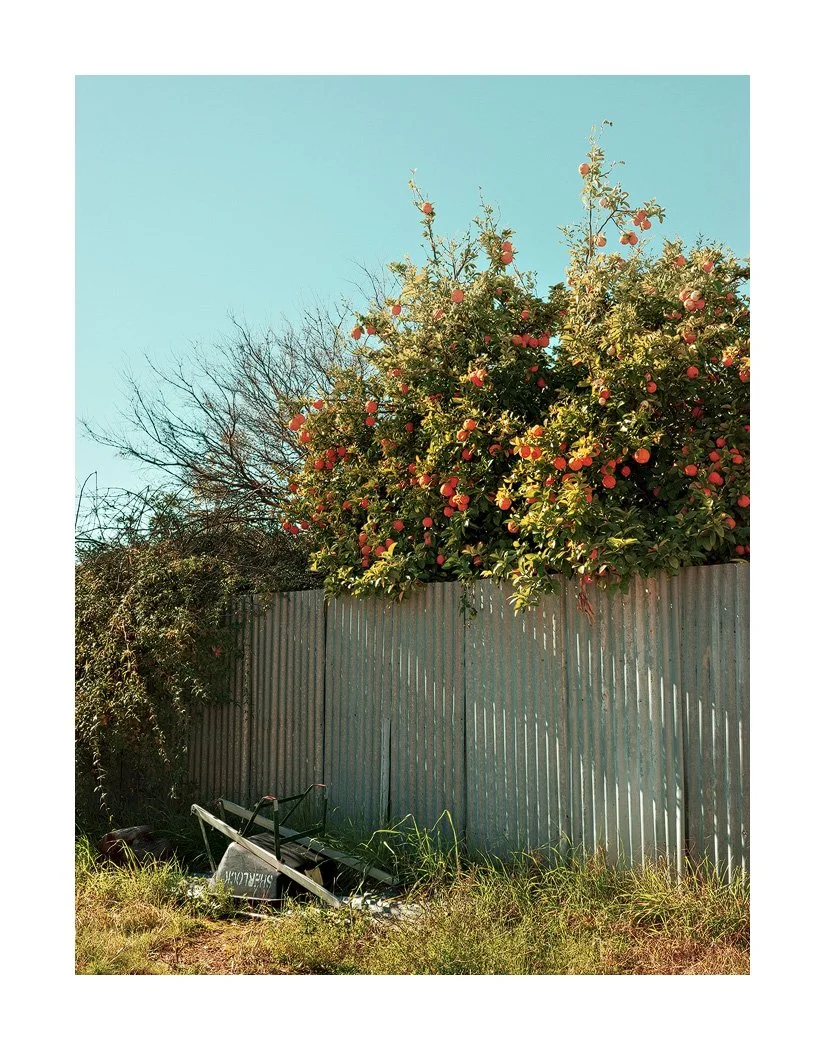
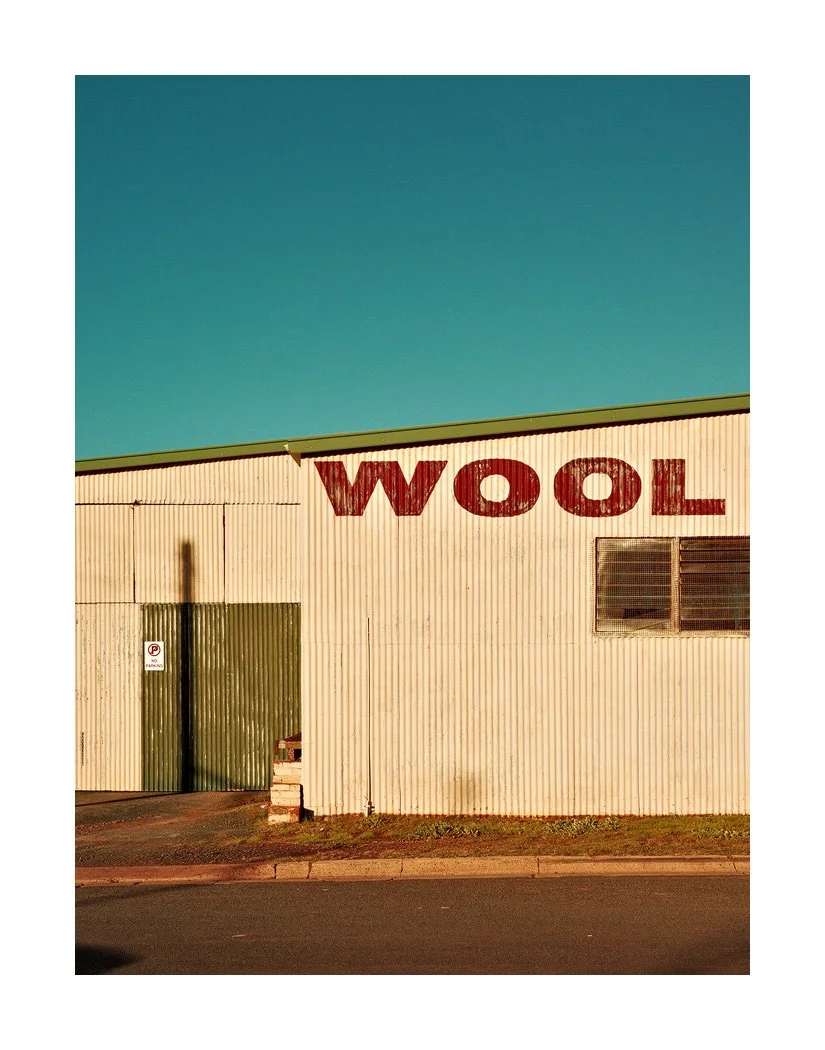
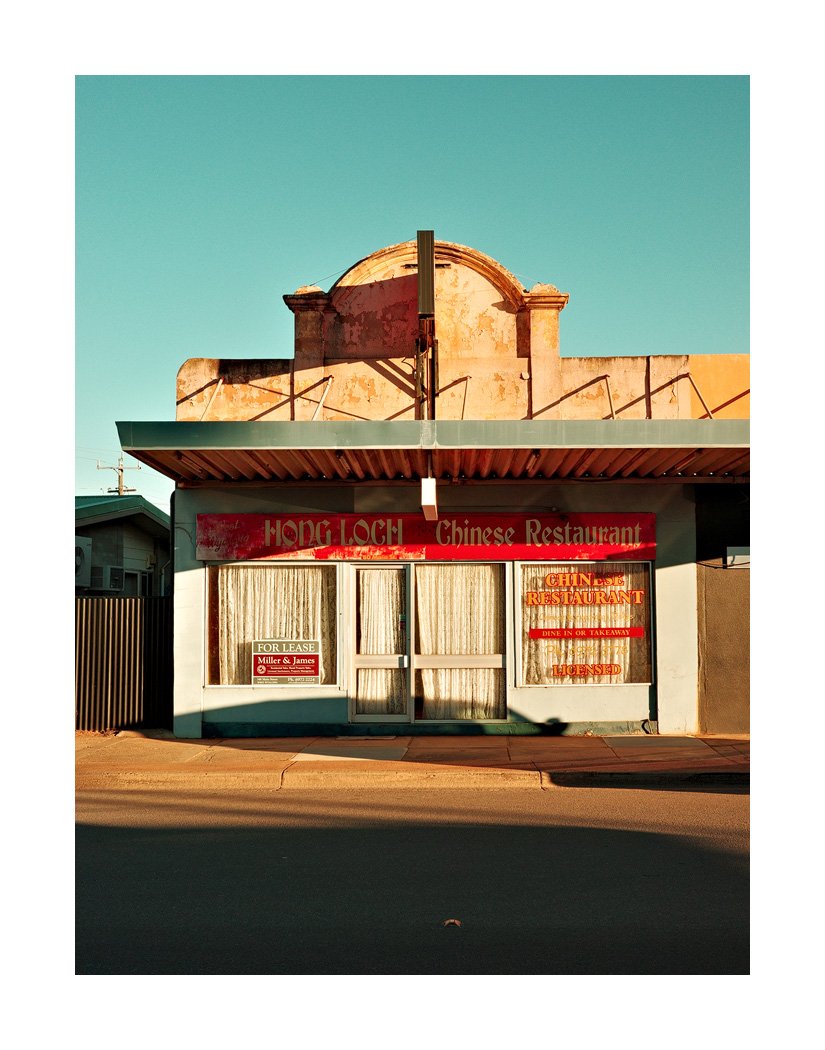
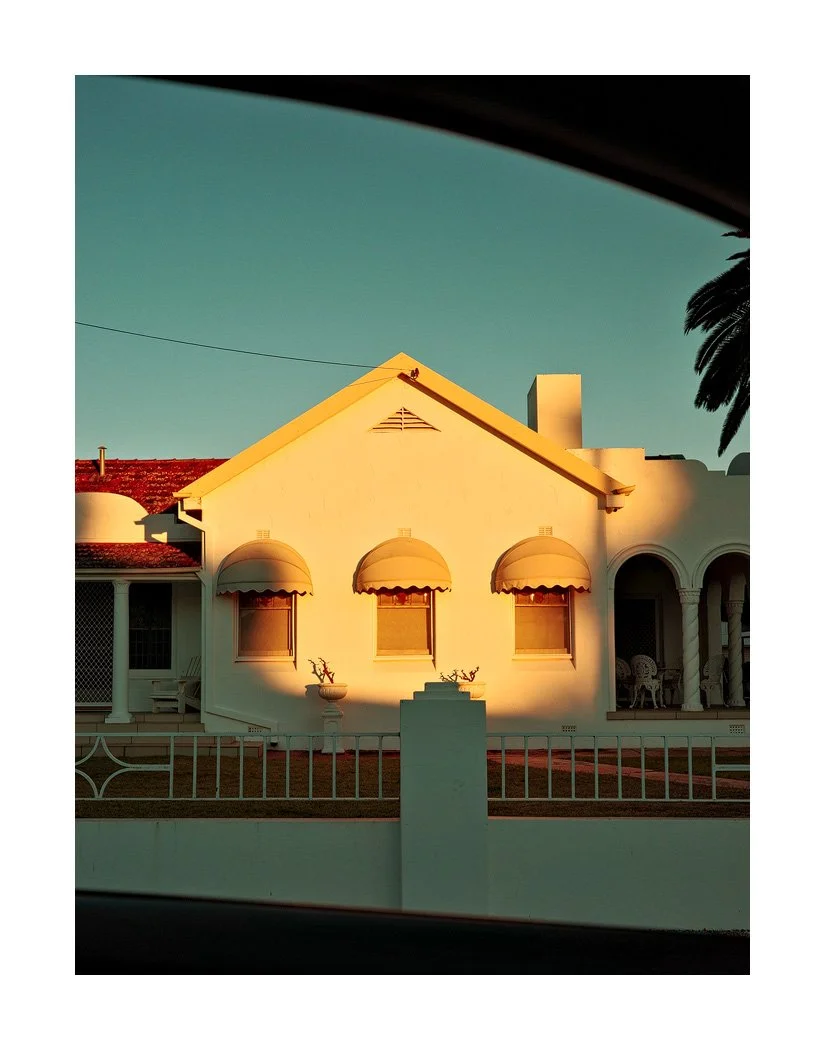
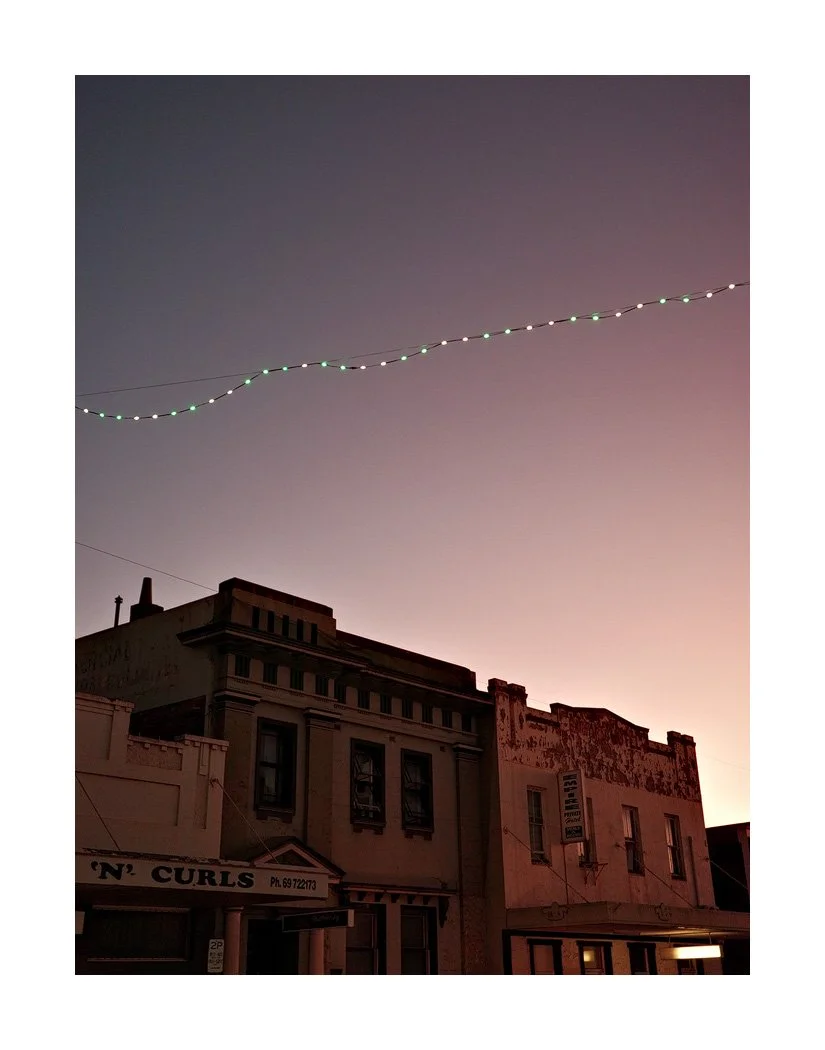
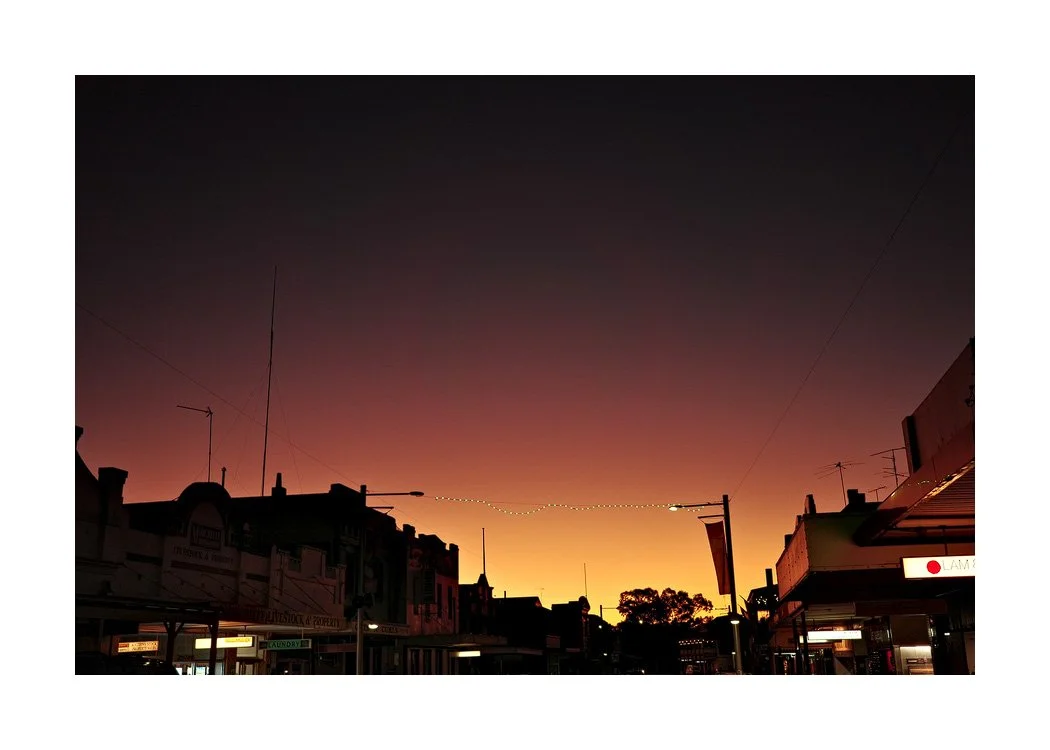
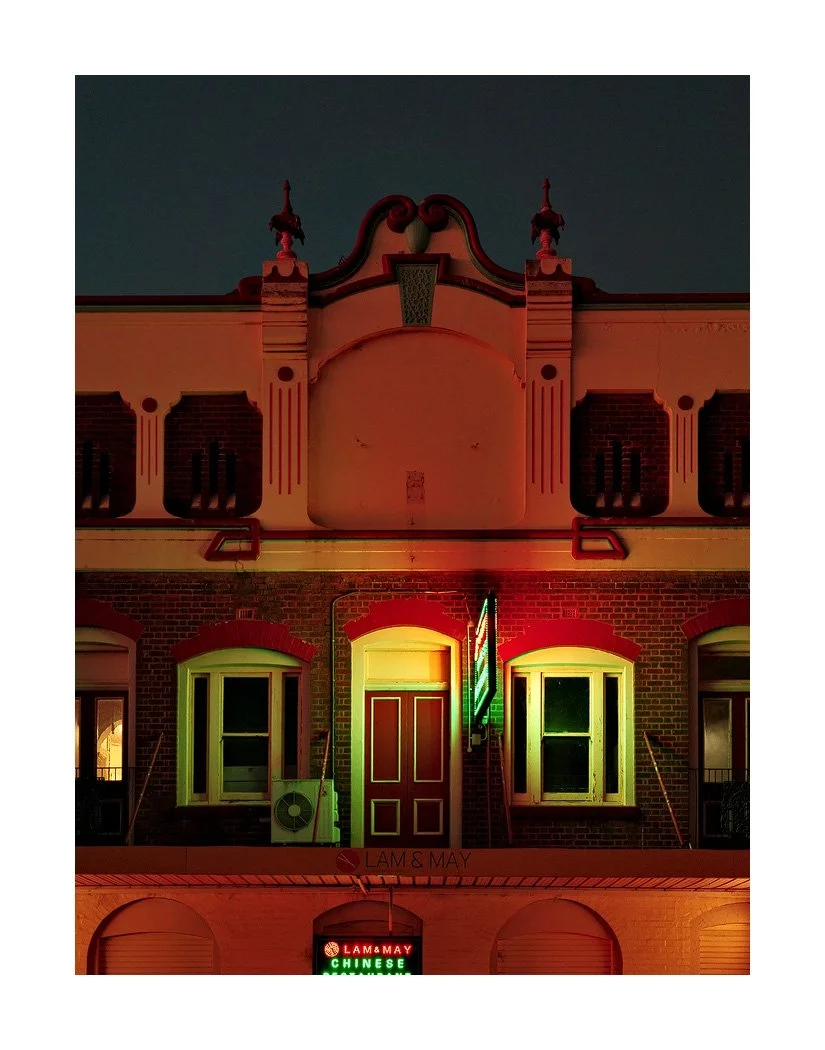
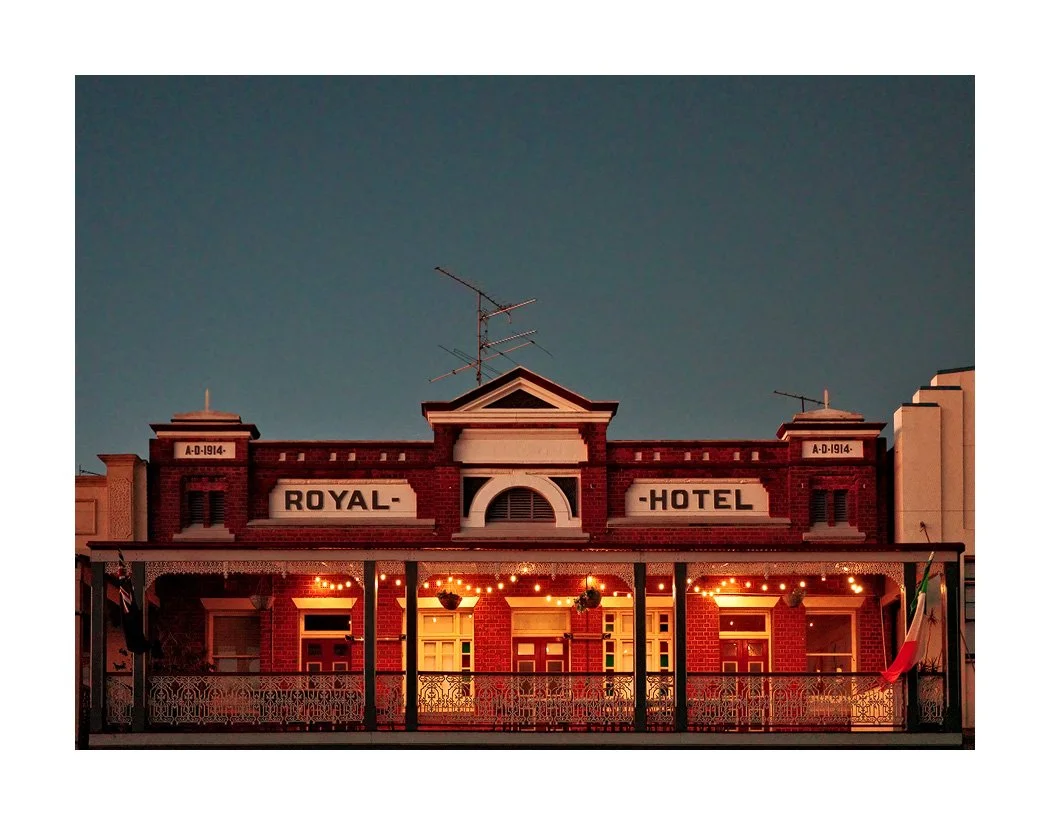
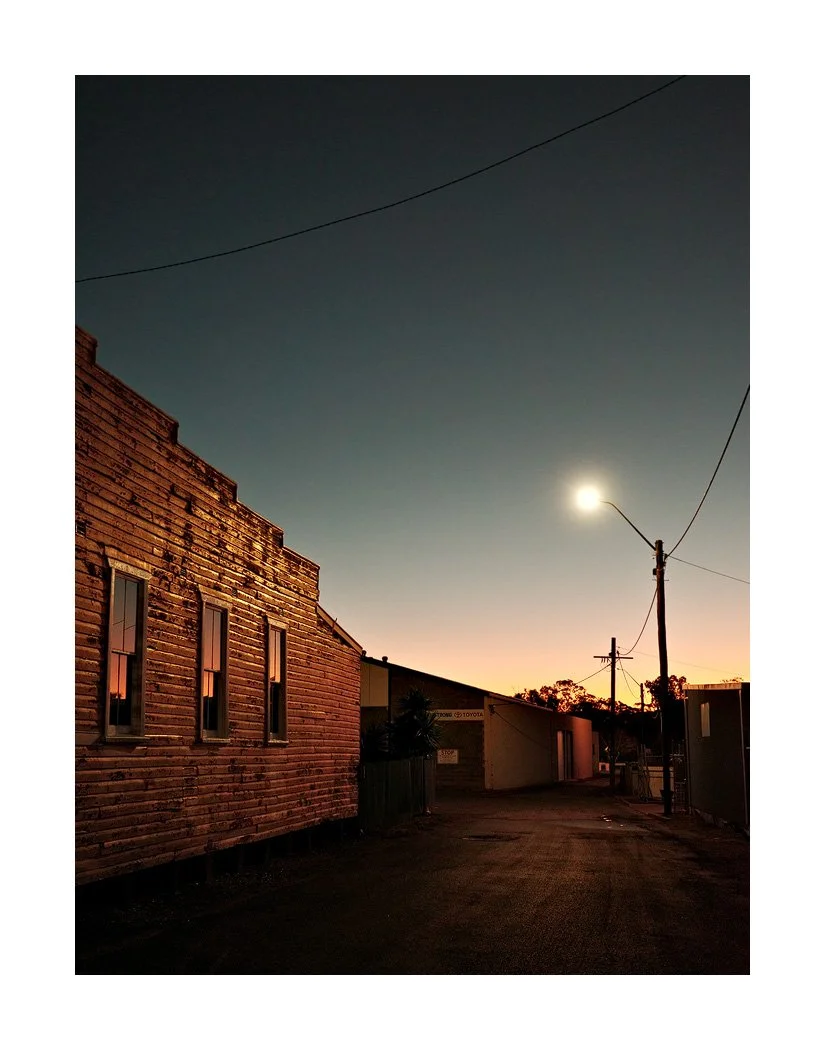
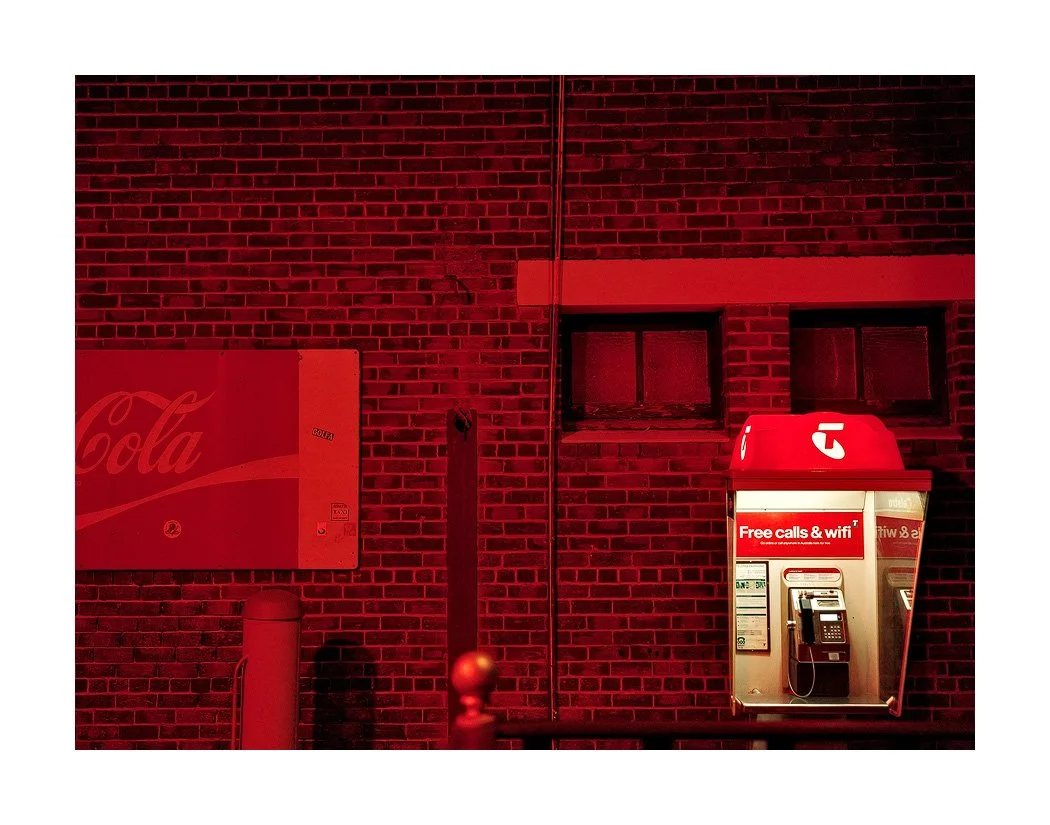
Saturated tones near sunset driving around town. This is the popular Royal Supra recipe.

Don’t get me wrong, the XT5 is a supremely capable camera. The IQ is great, autofocus is great, it’s portable, plenty of lenses, but I just found it… boring. I’m always drawn to unique cameras, something a bit left of field. In the digital realm, my favourite camera was the quirky Sigma Quattro series. I had so much fun with the DP-2, and a big factor was how portable it was. It truly was, as I put it, medium format in your pocket.

In a similar vein then, the Ricoh is one of the few digital cameras with high IQ that can fit into a pocket... literally. What about the Fuji X100 series? You’re going to need a big pocket. Same for the XE5. The Ricoh, on the other hand, you can take anywhere. It’s tiny. Better still, it blends in. No one is looking at it twice.

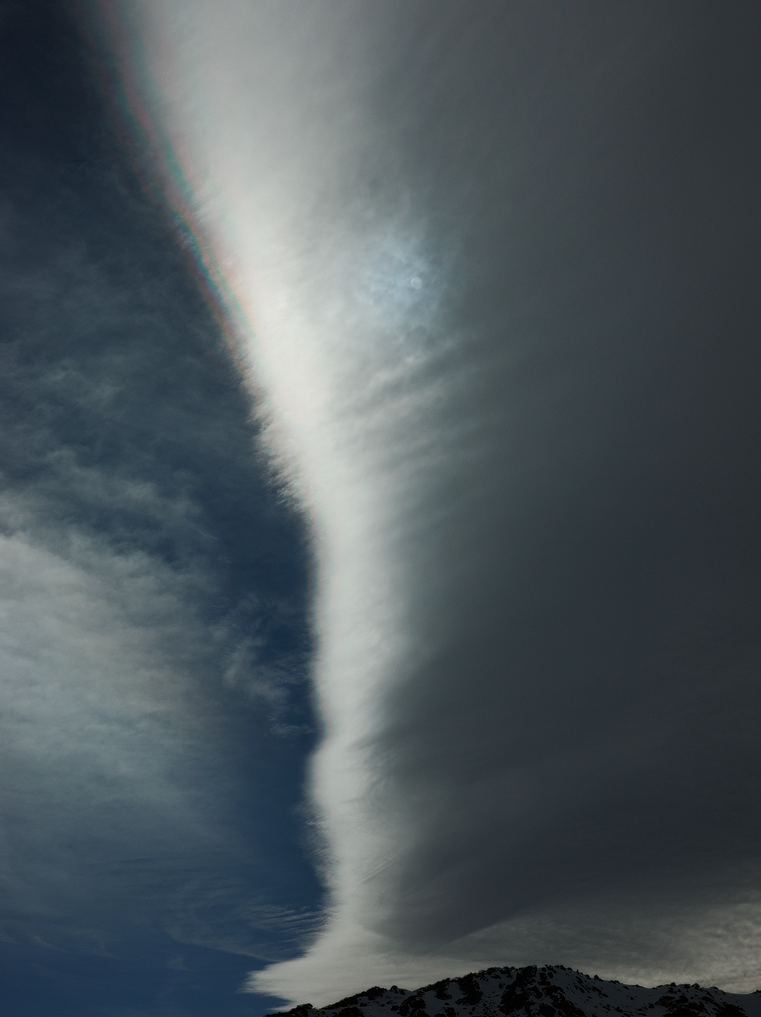
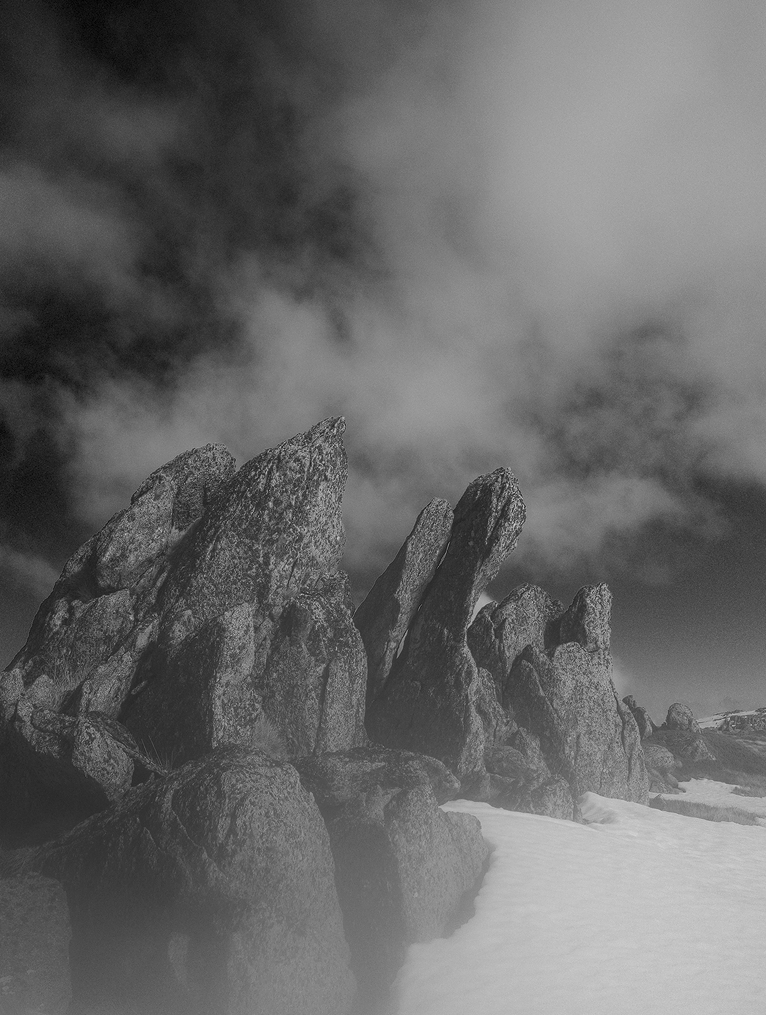
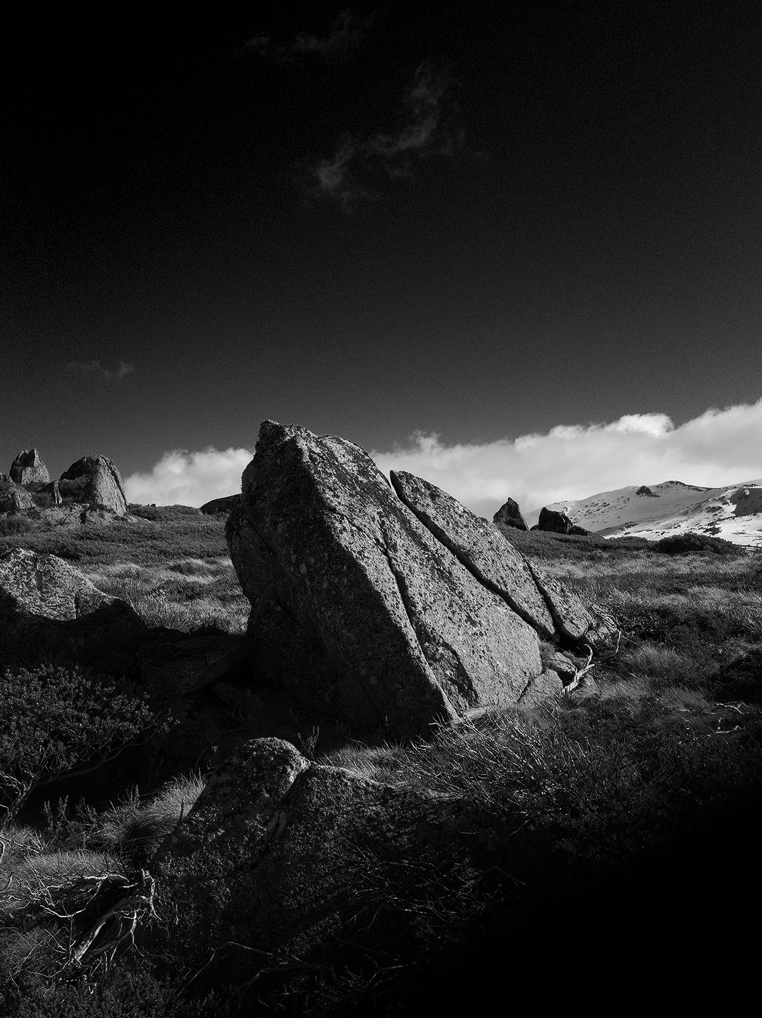
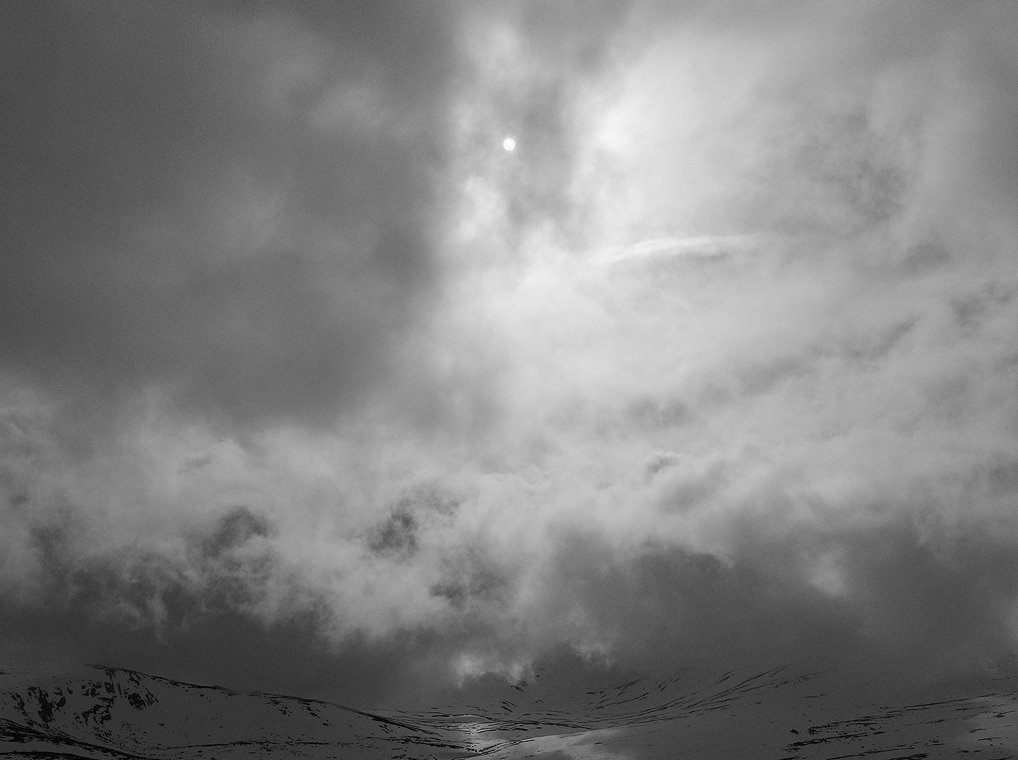
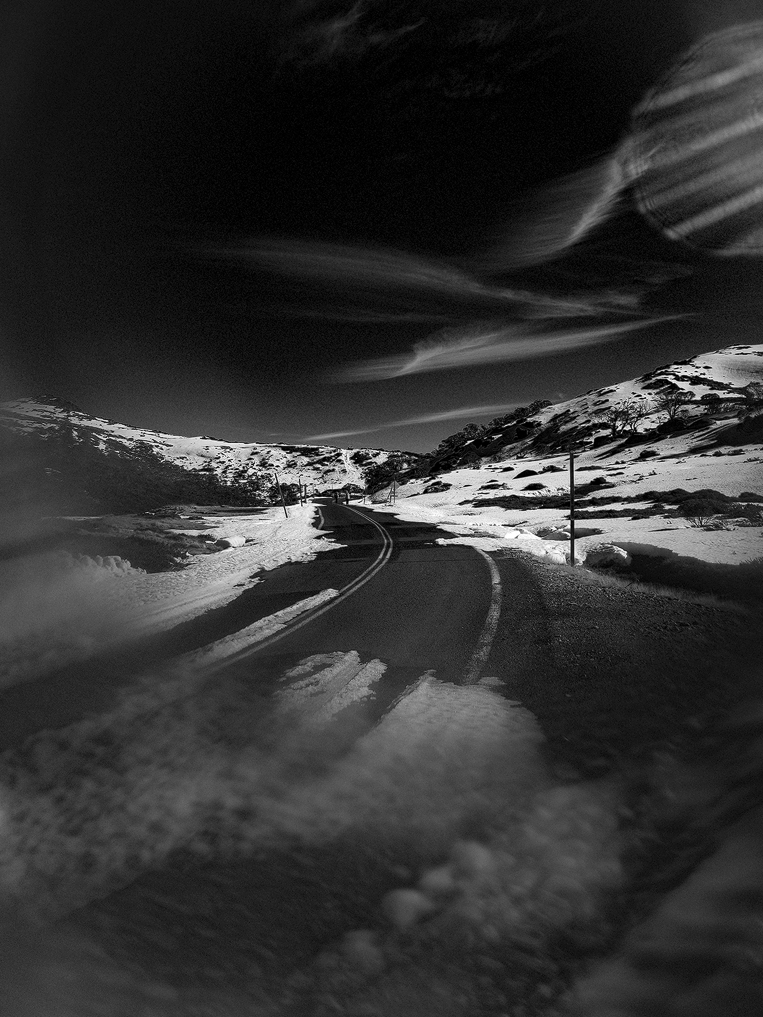
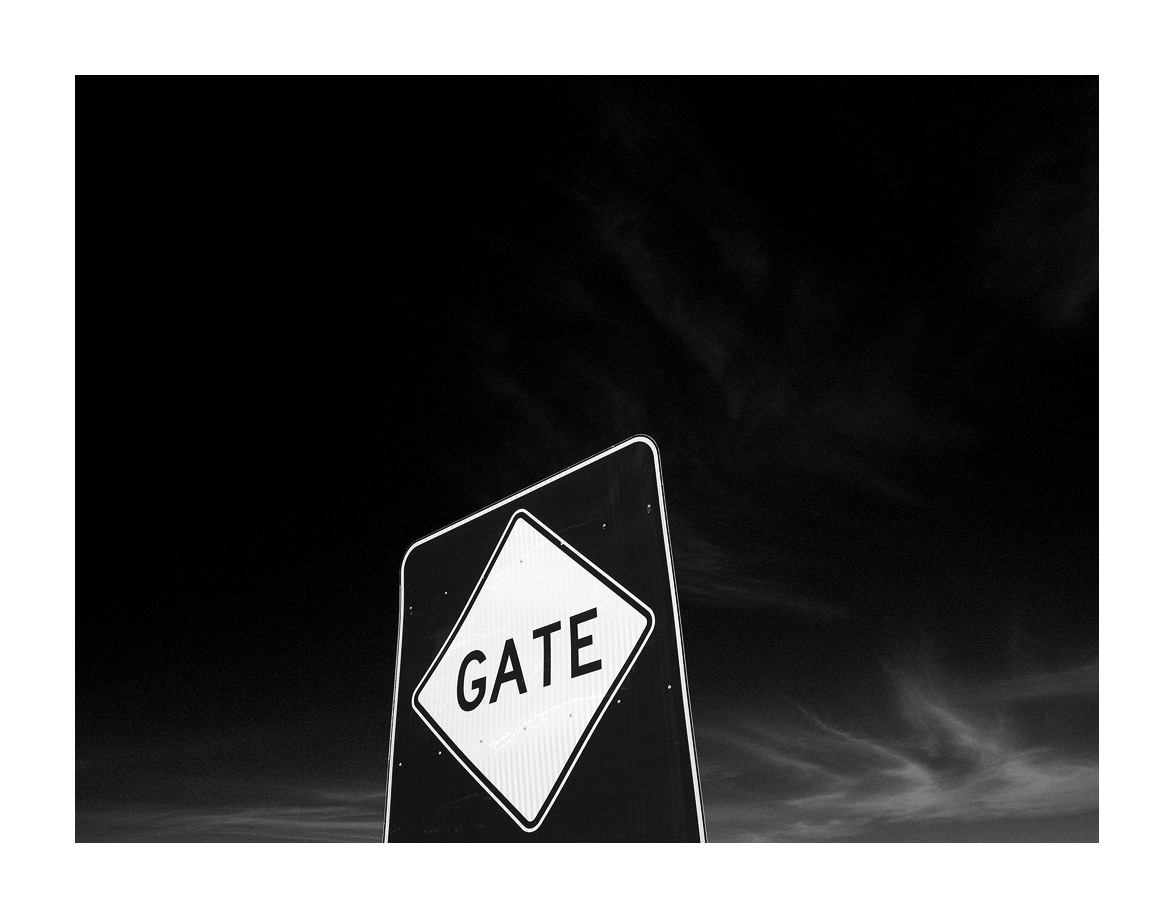
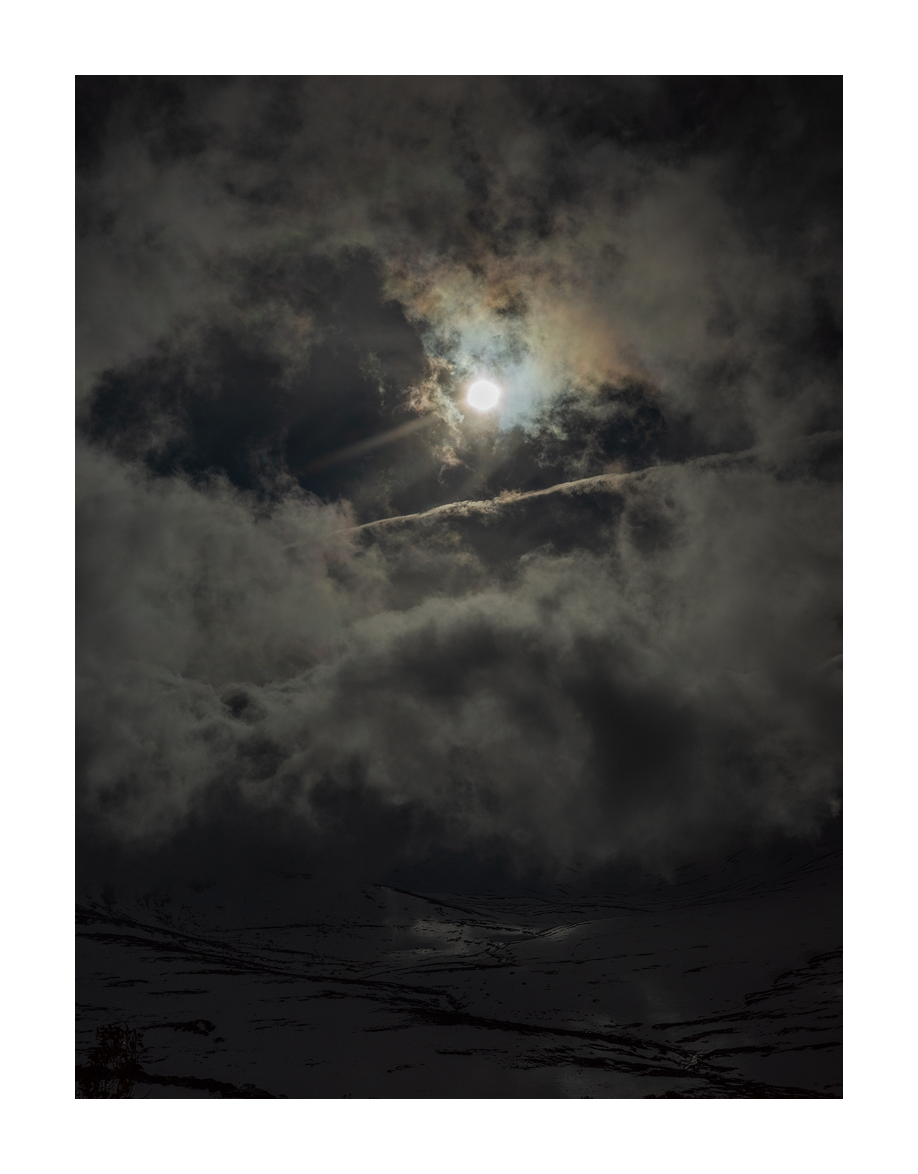
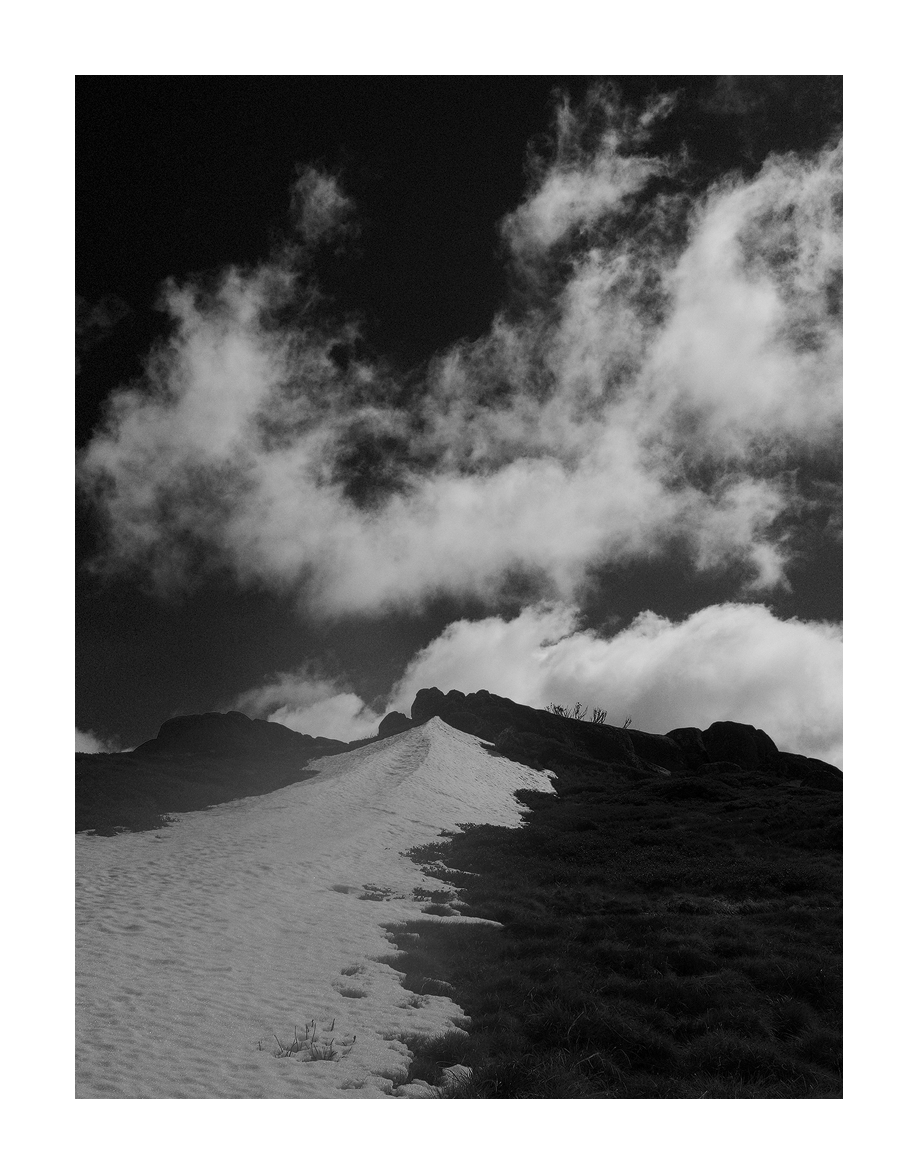
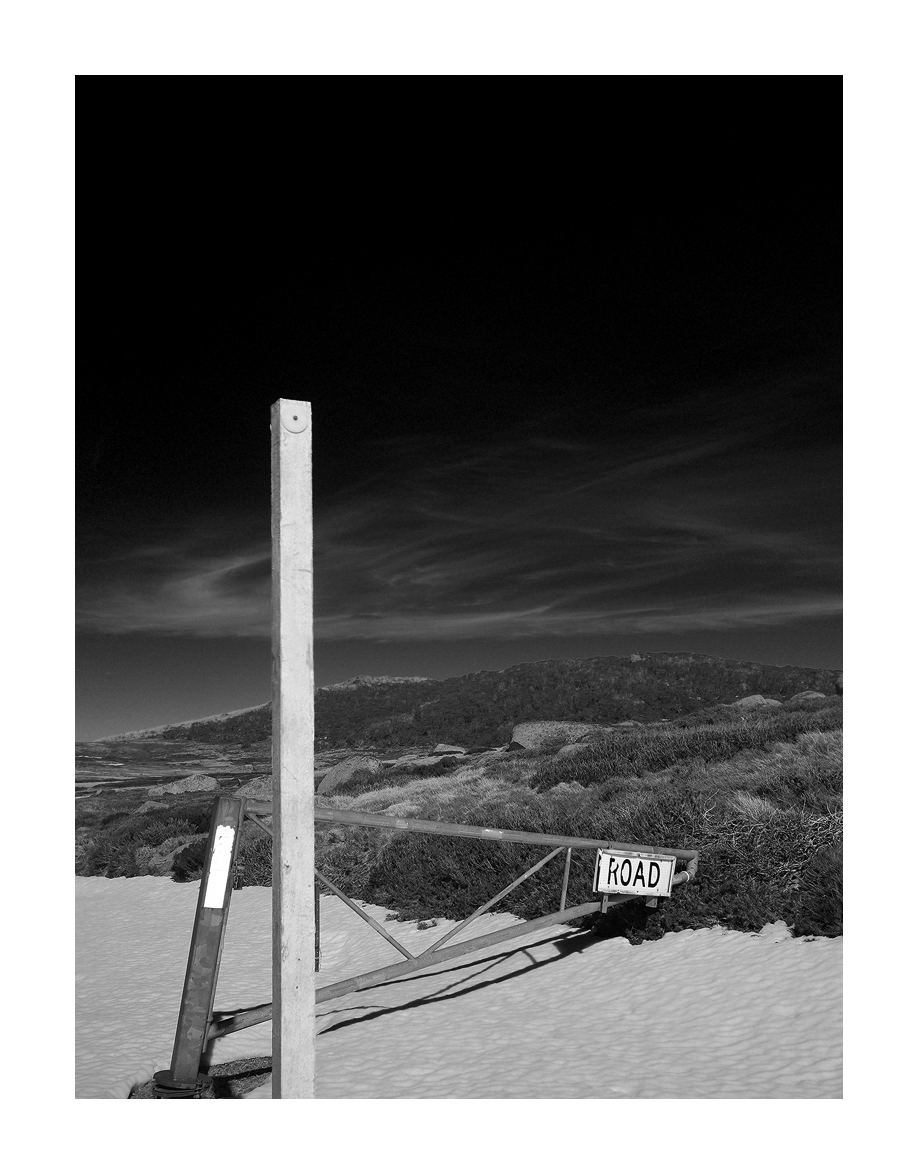
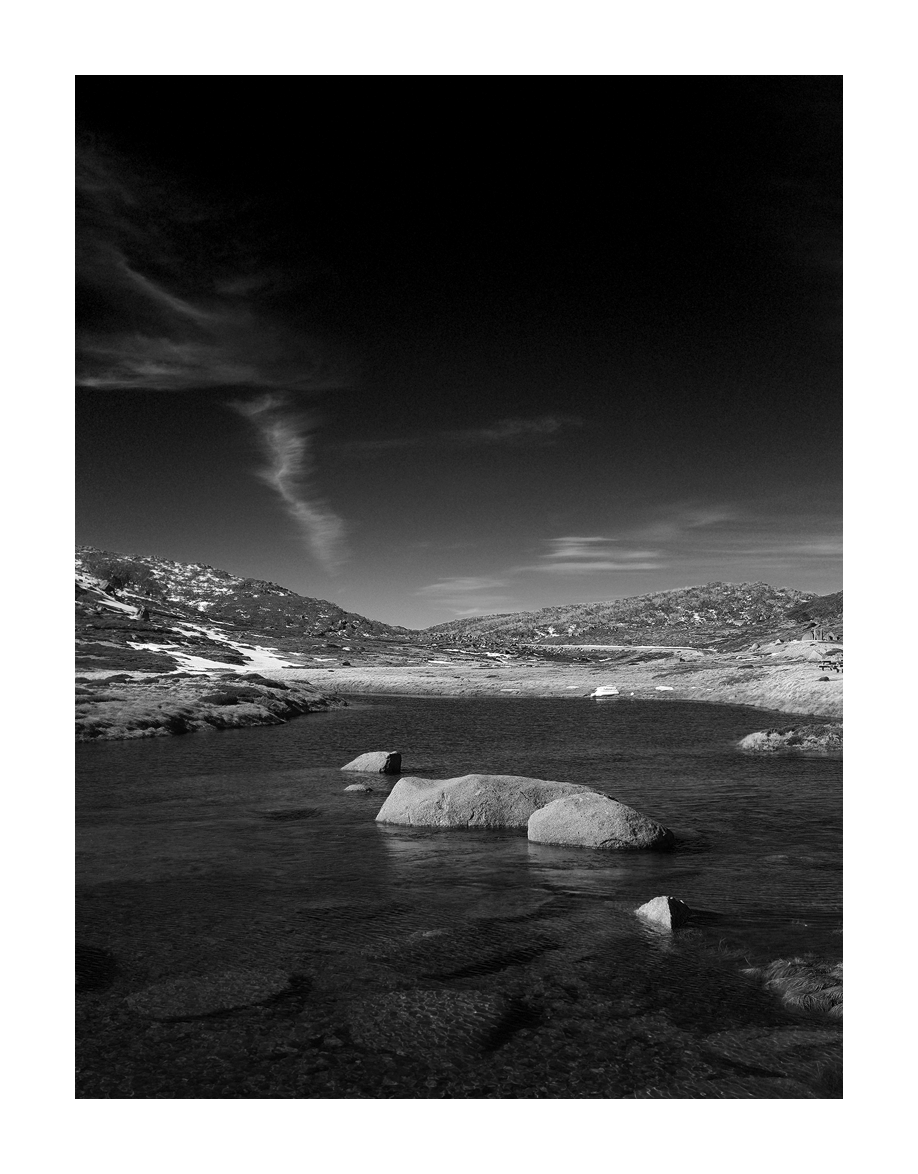
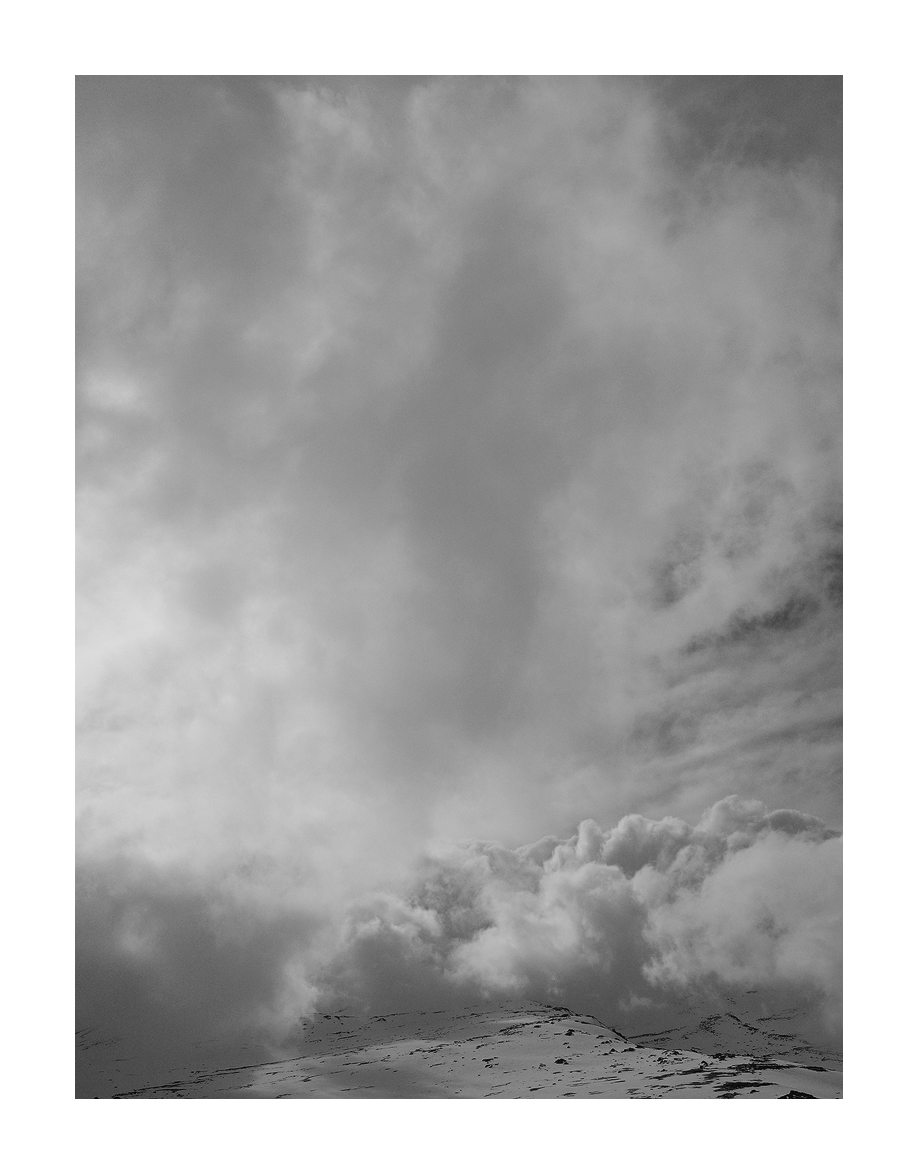
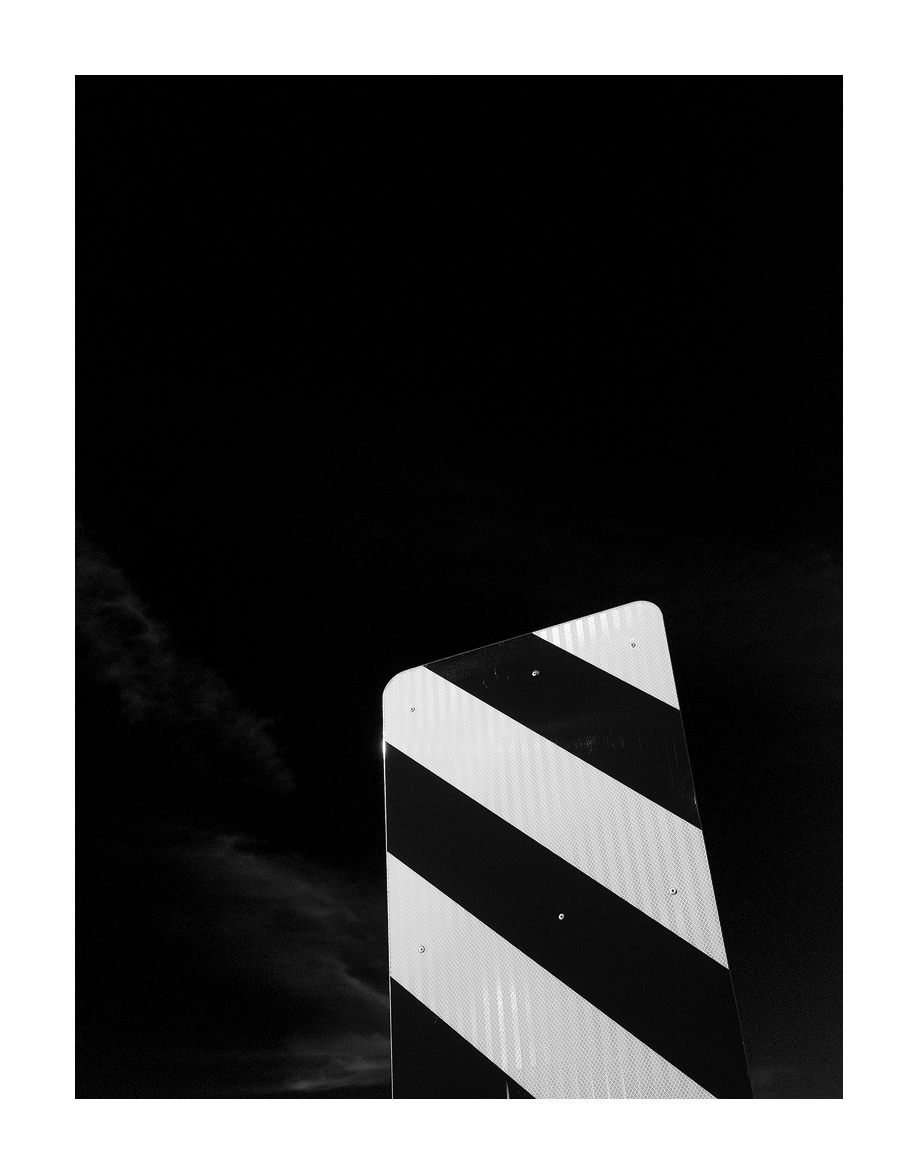
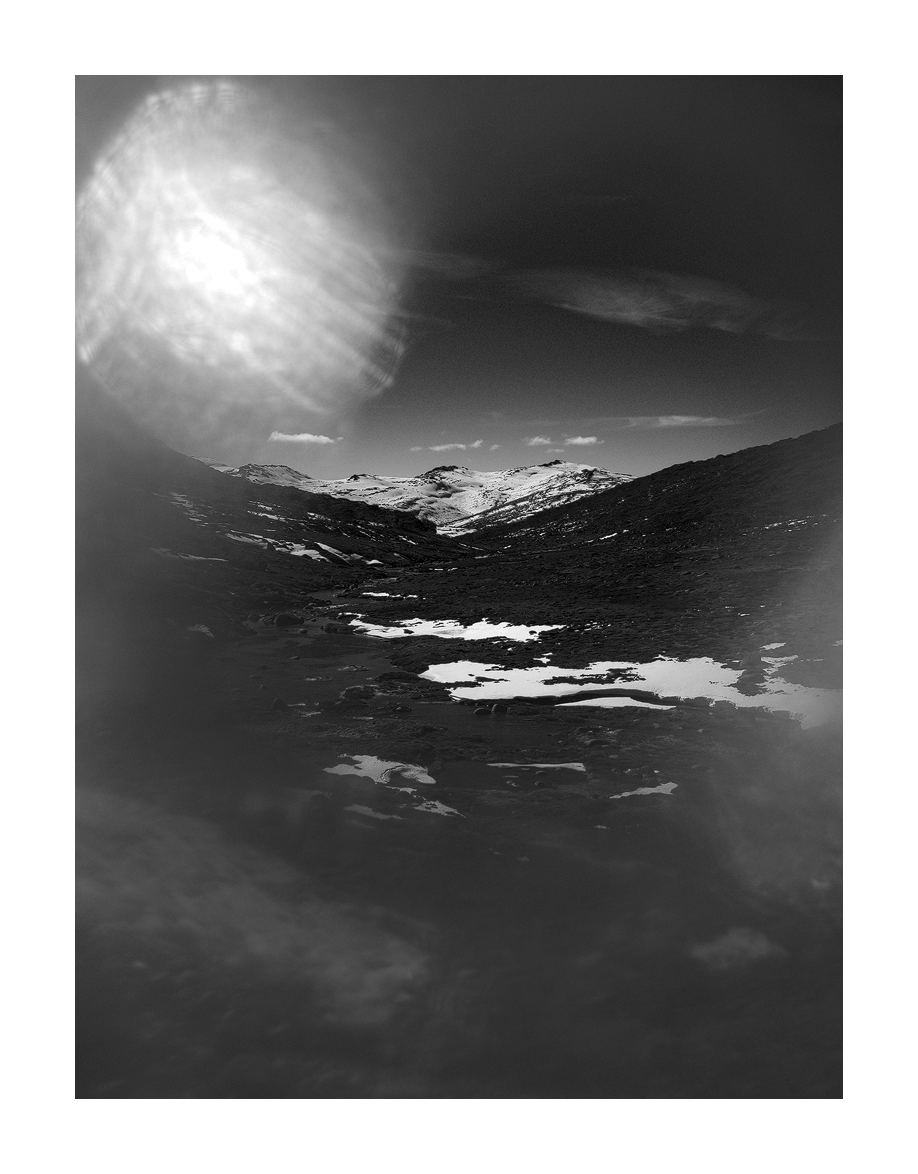
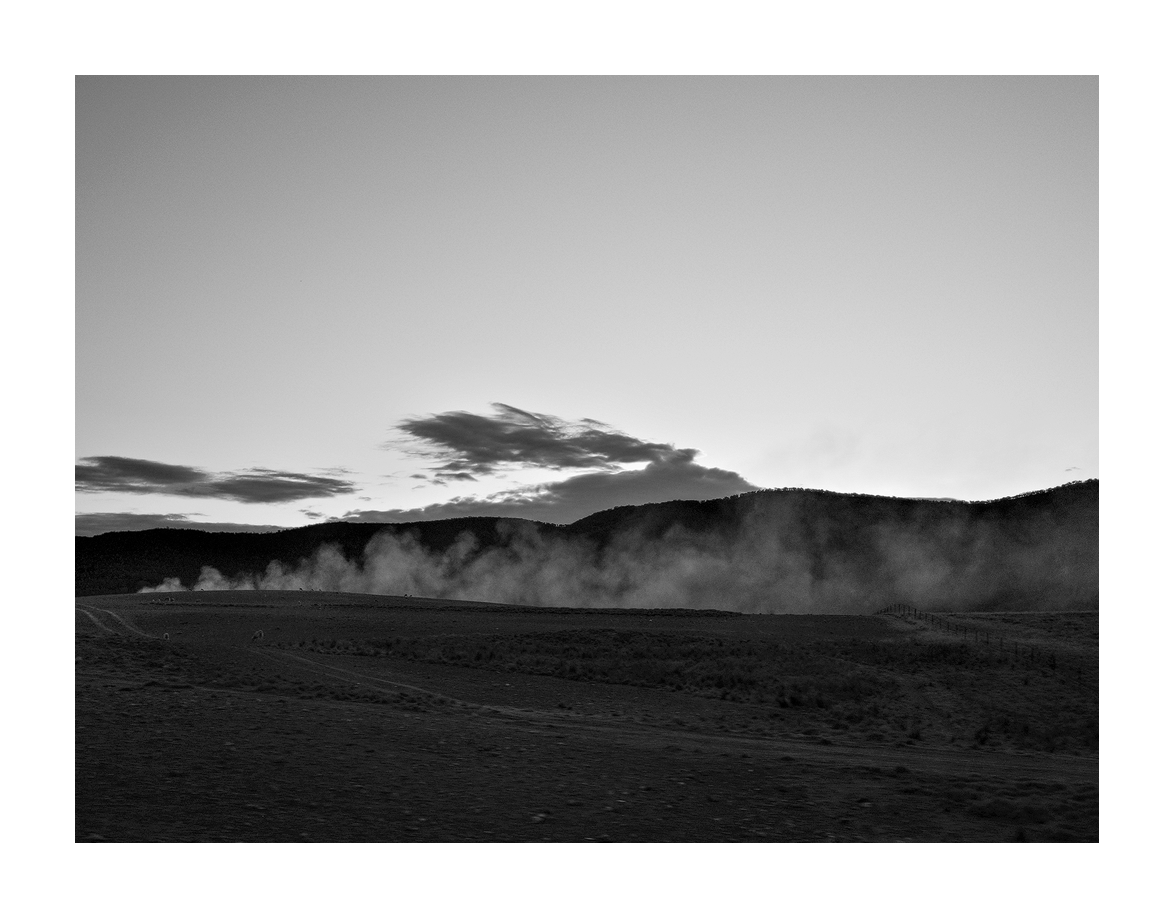
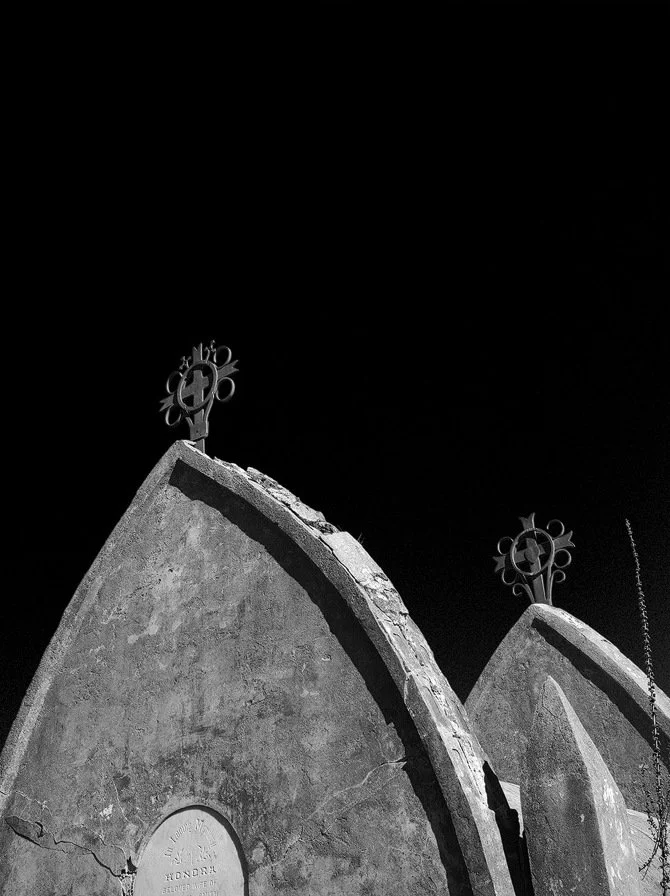
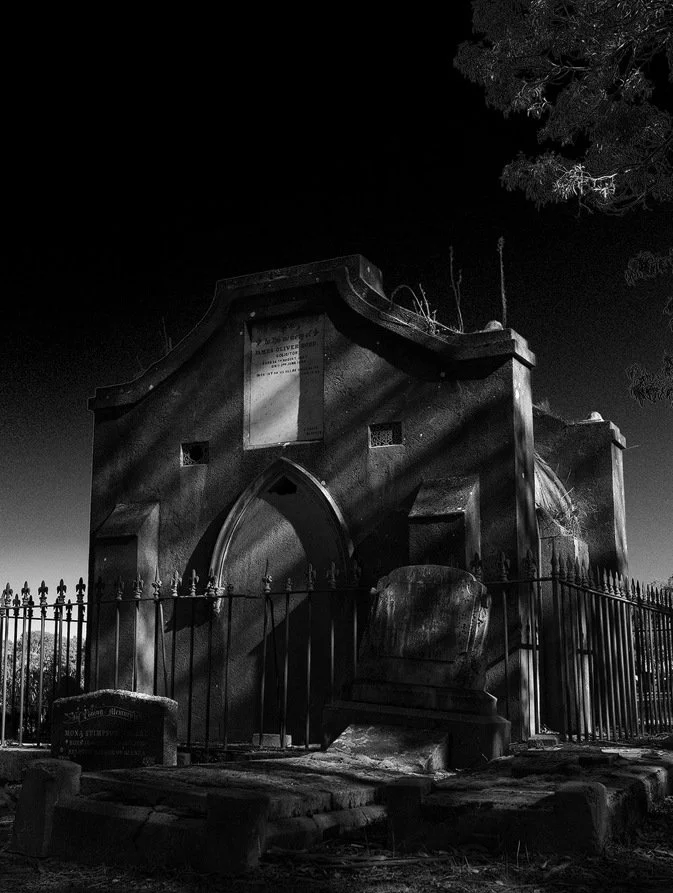
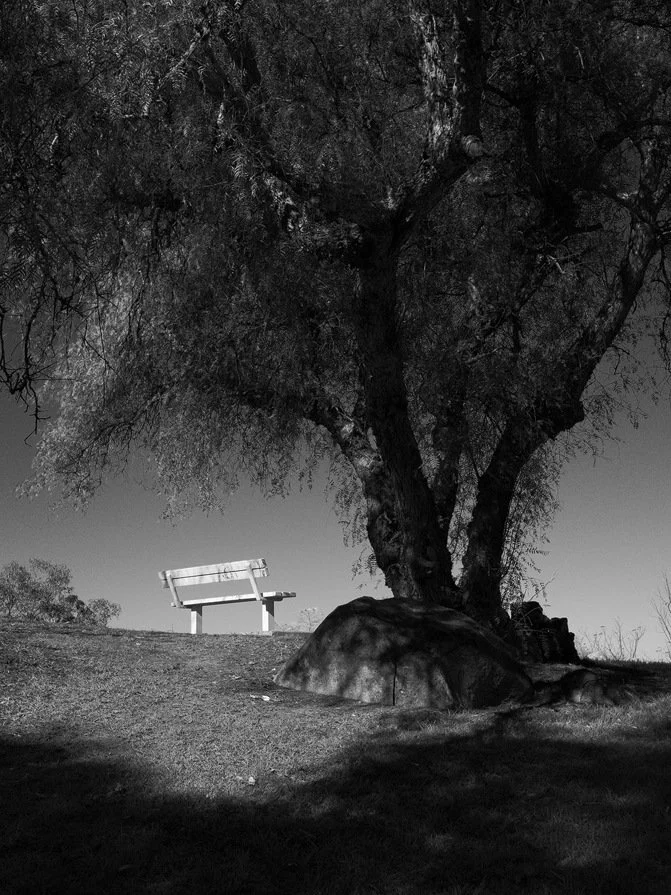
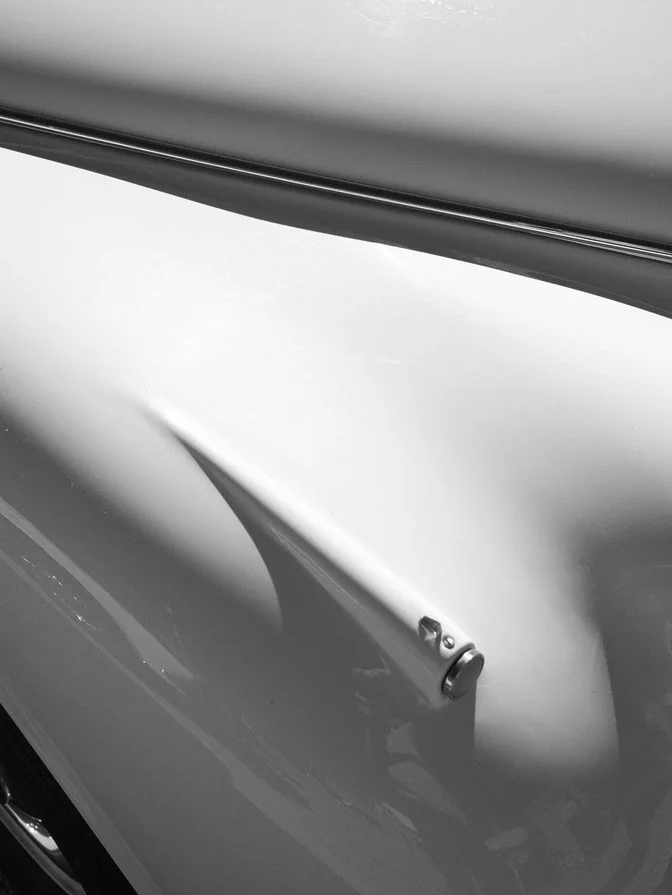
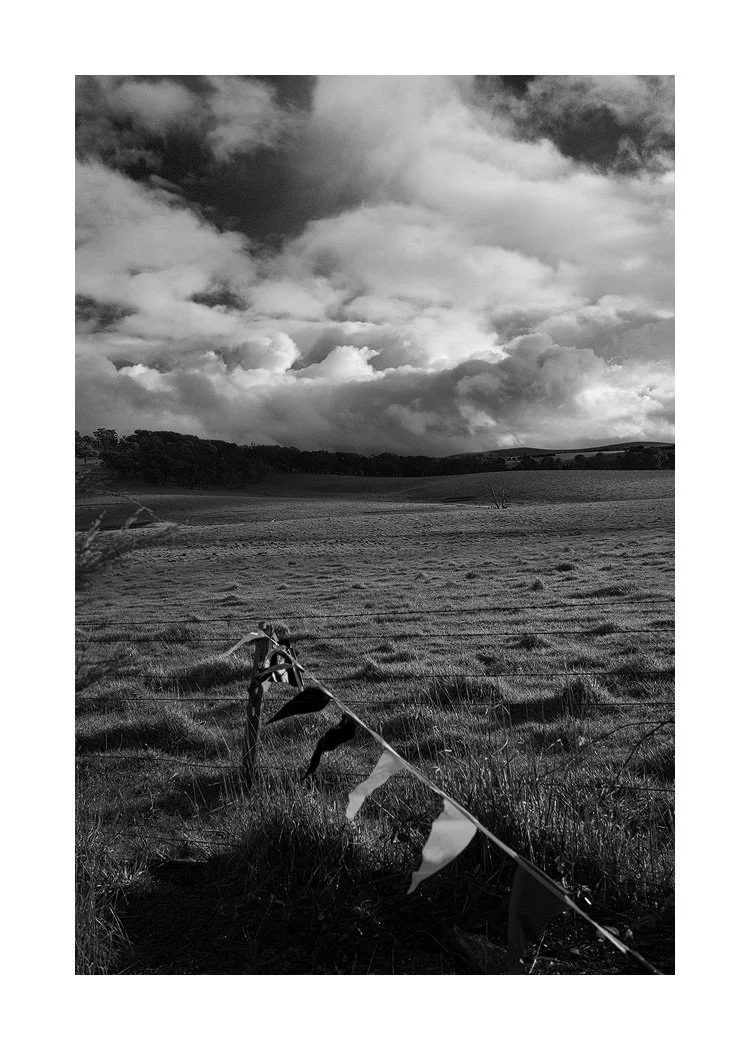
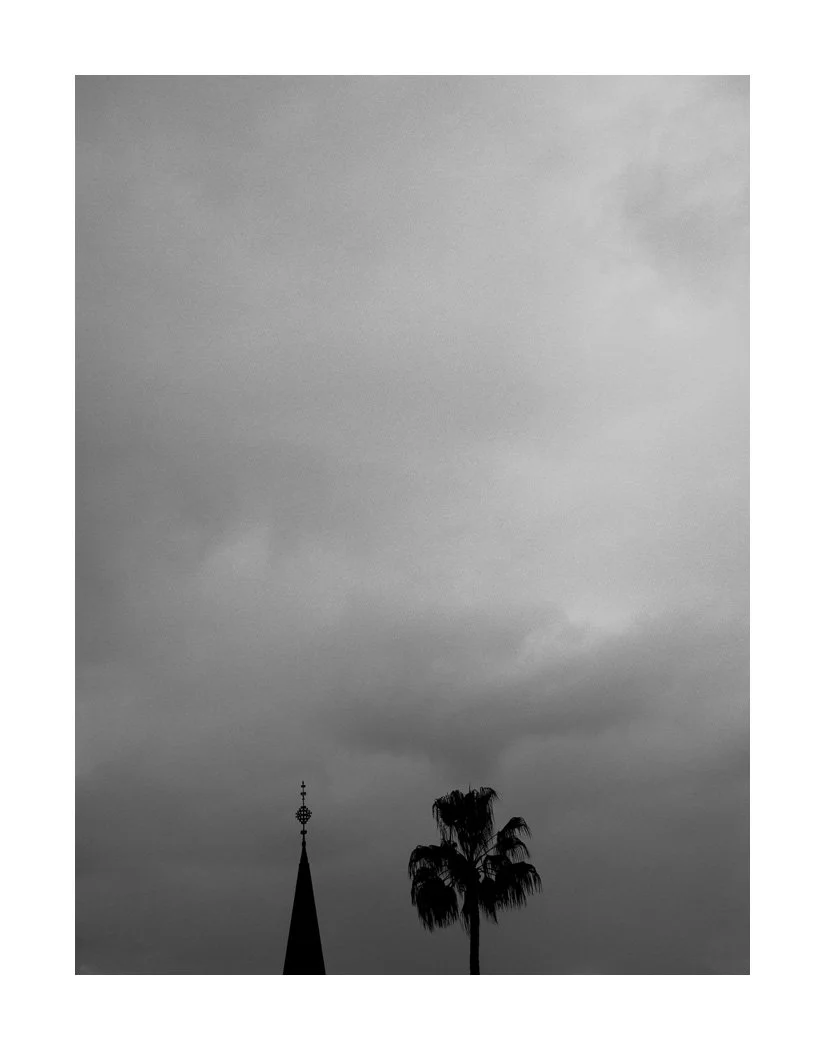
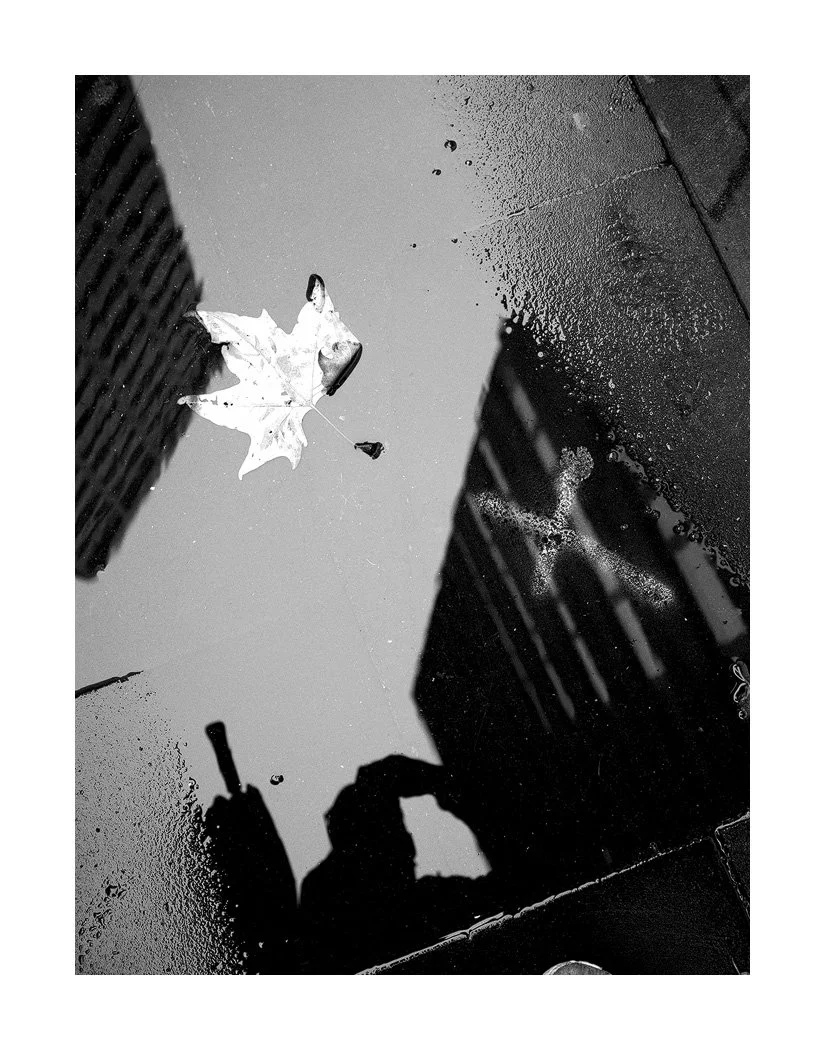
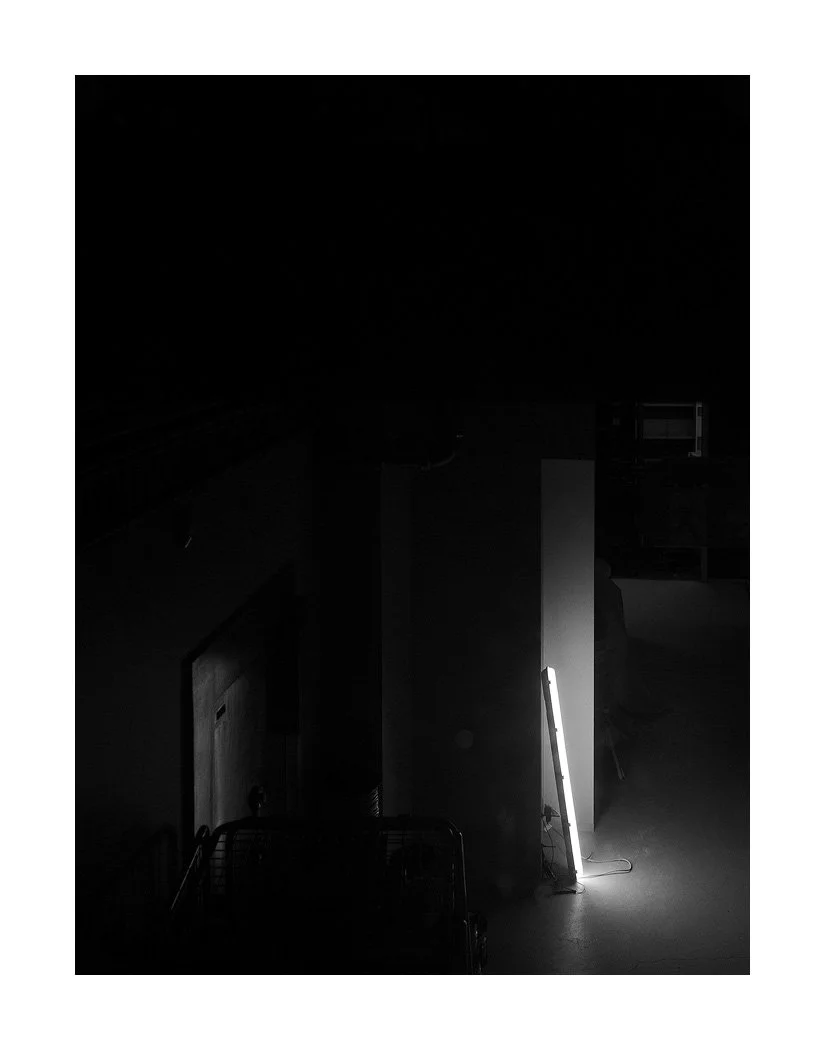
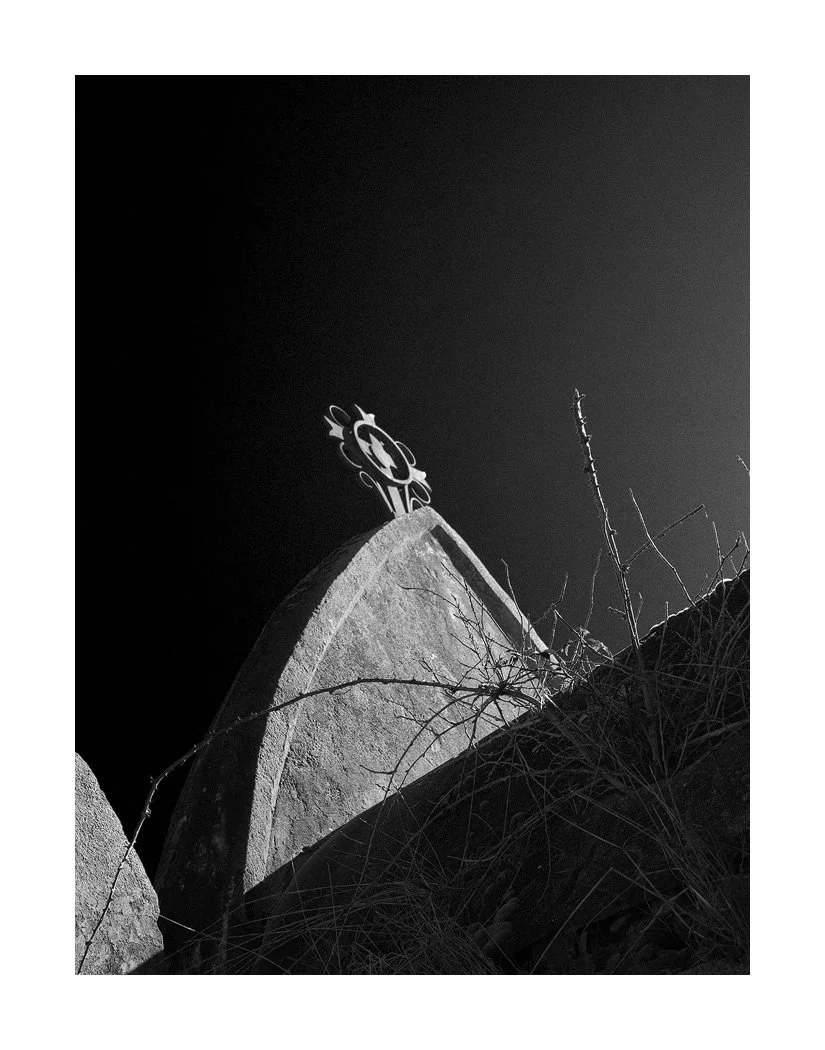
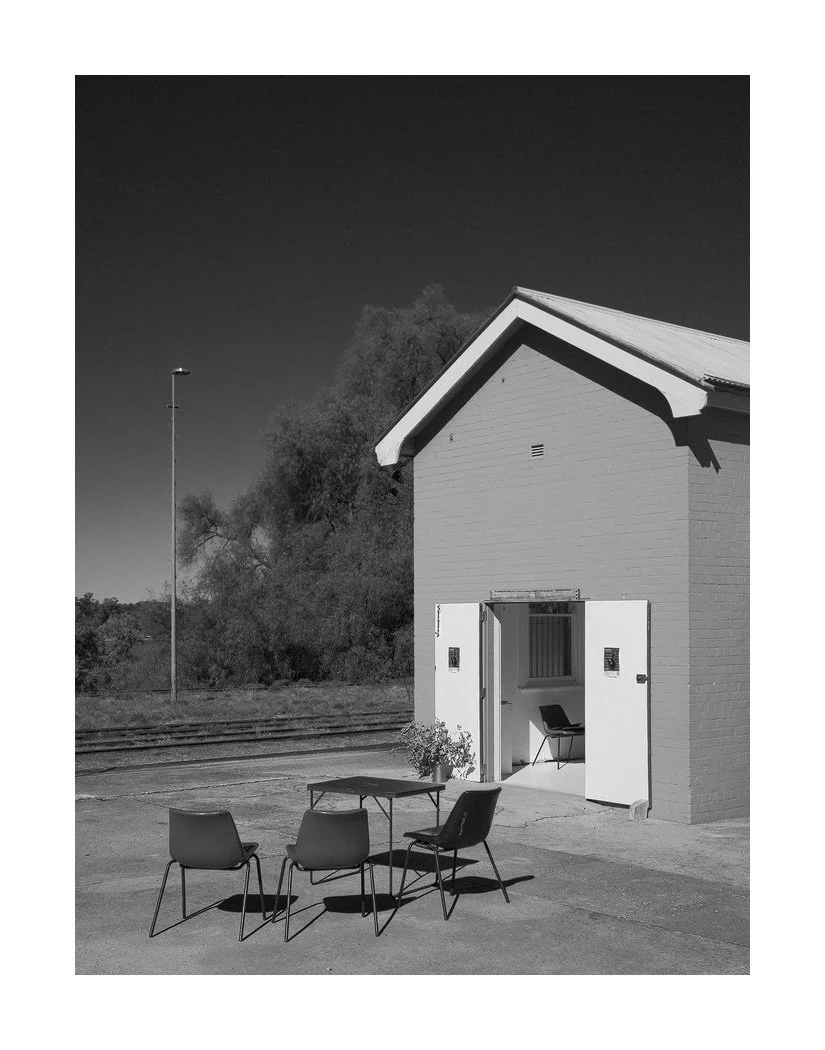
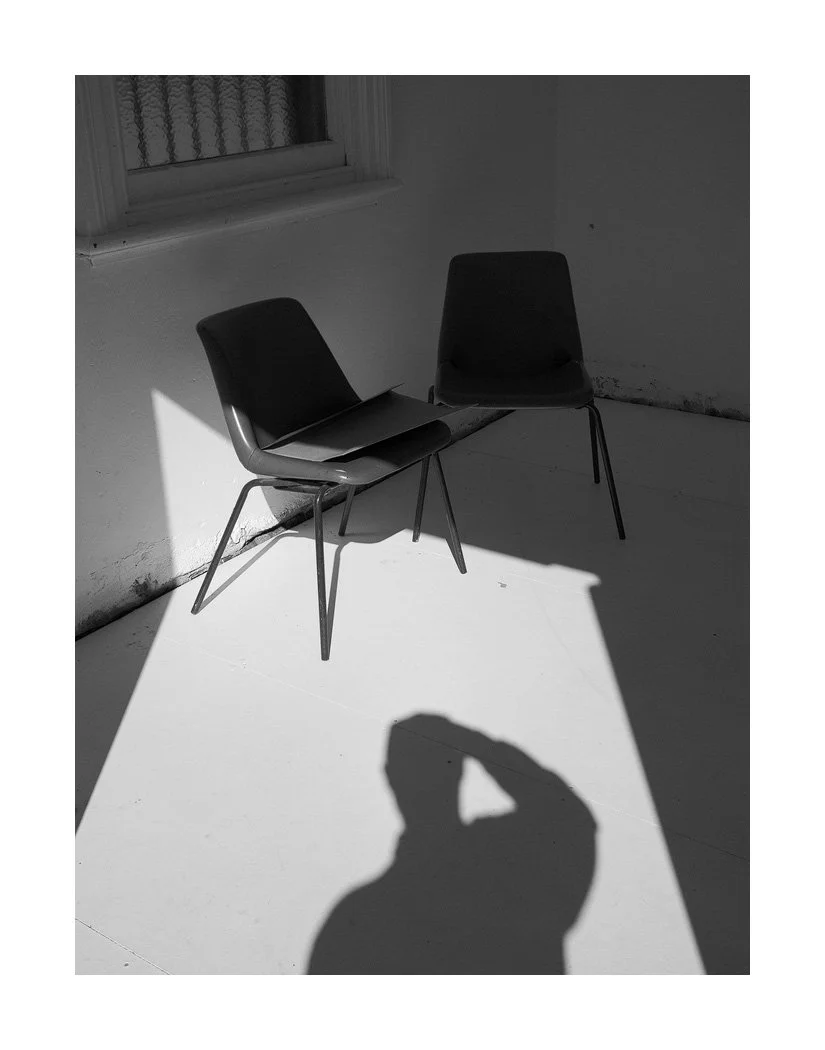
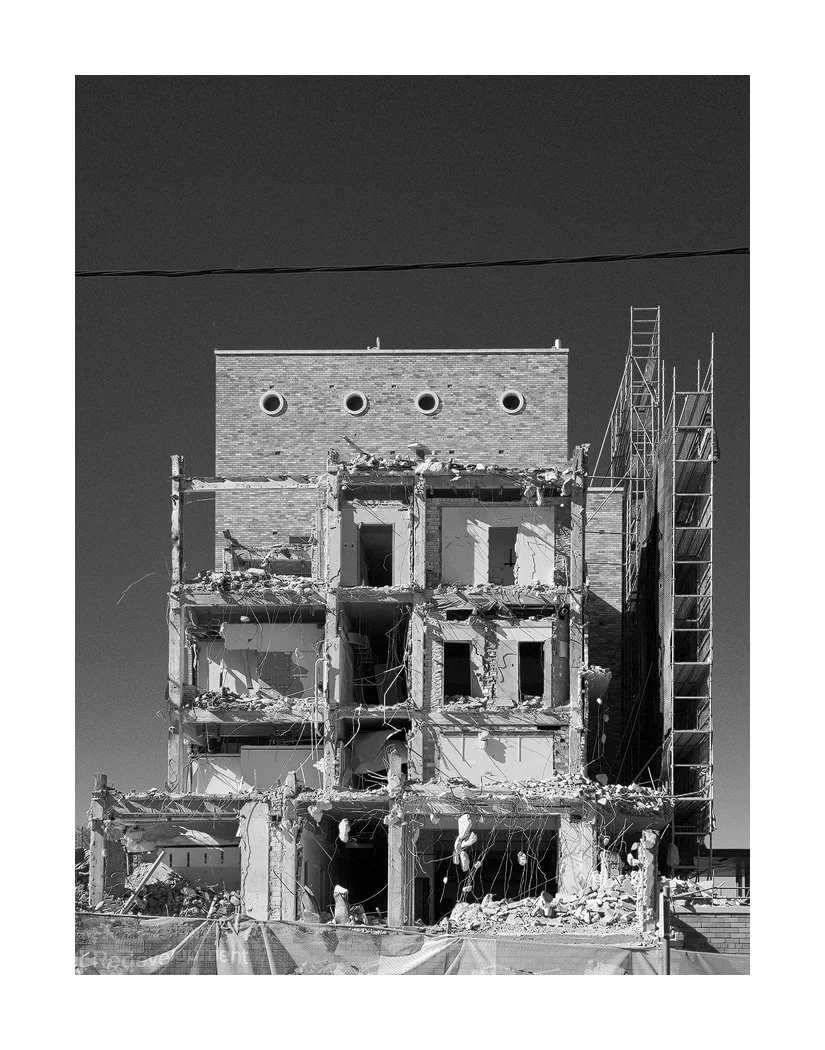
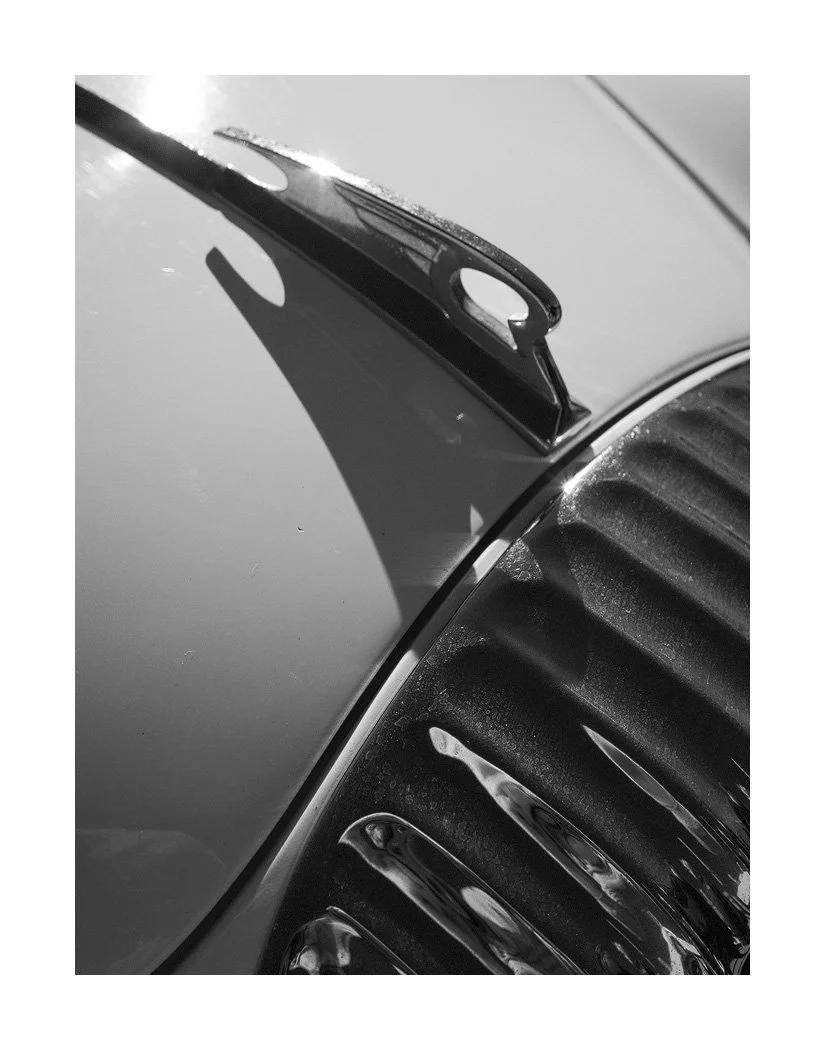
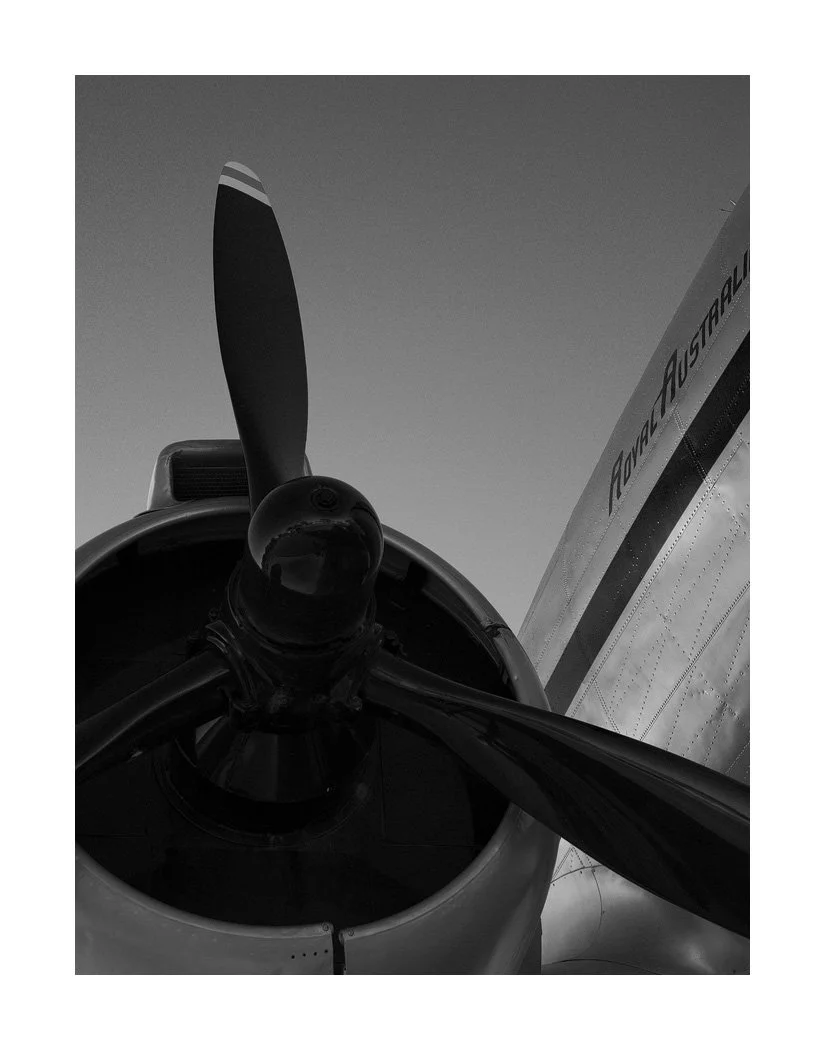
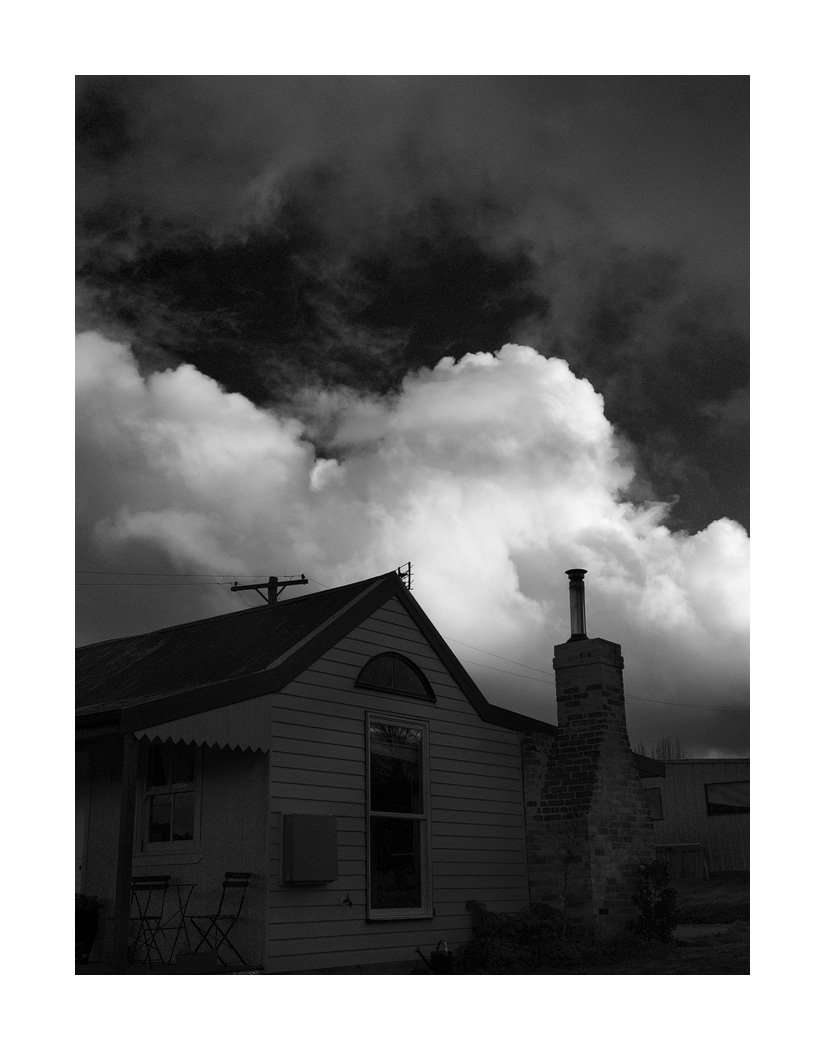
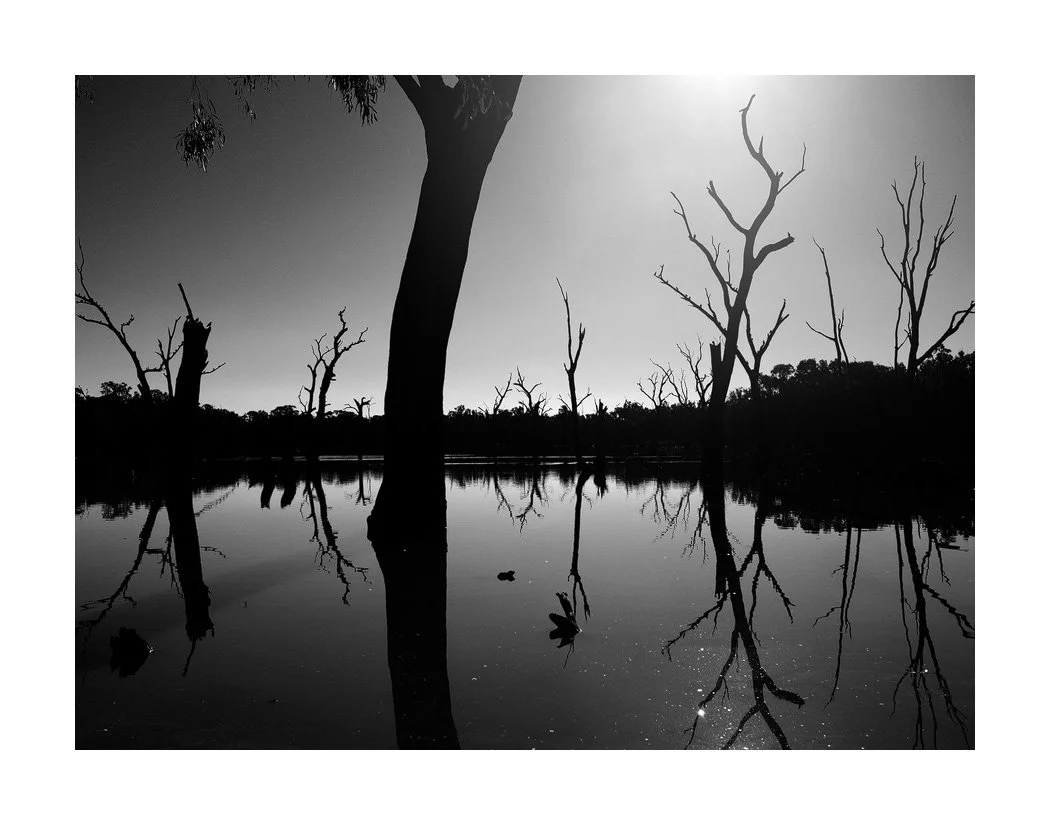
Above, you can see images taken with the Hard Monotone (B&W) filter on the Ricoh GRiiix. It gives a very moody, cinematic look.

I would almost argue the popularity of the Ricoh is down to a single photographer: Daido Moriyama. His high contrast street scenes from Japan are pretty well known. There is even an in-built profile if you’re looking to replicate his look. The Ricoh GR is popular for street photography, but less so for landscape, so let’s see what we can do about that.

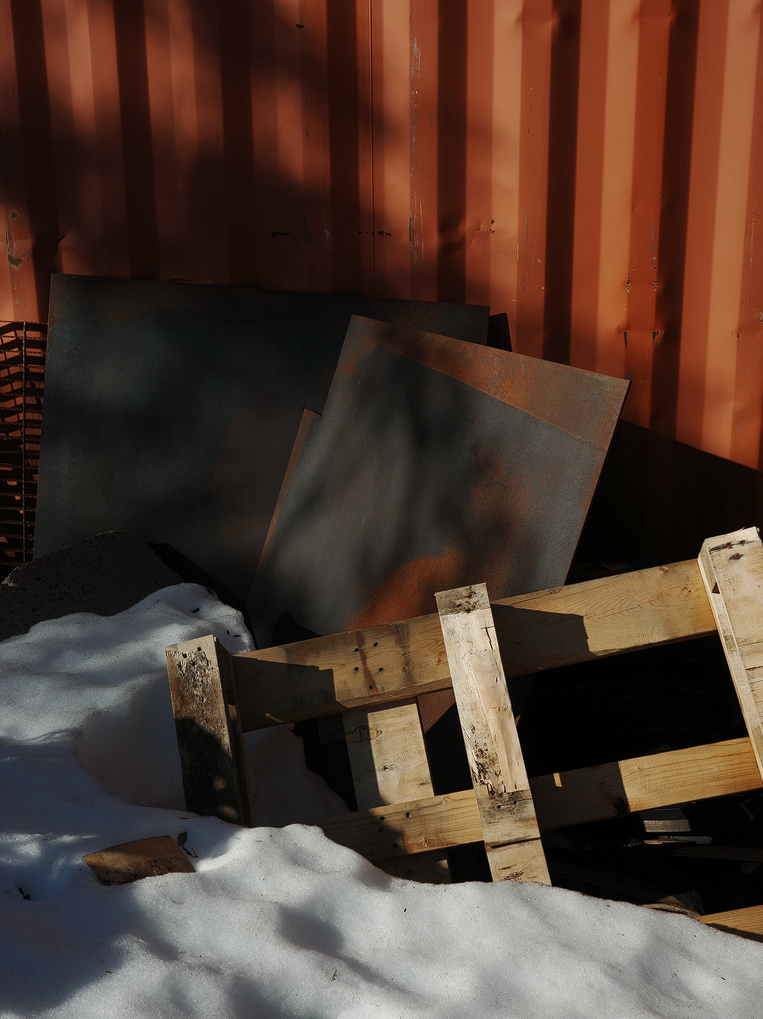
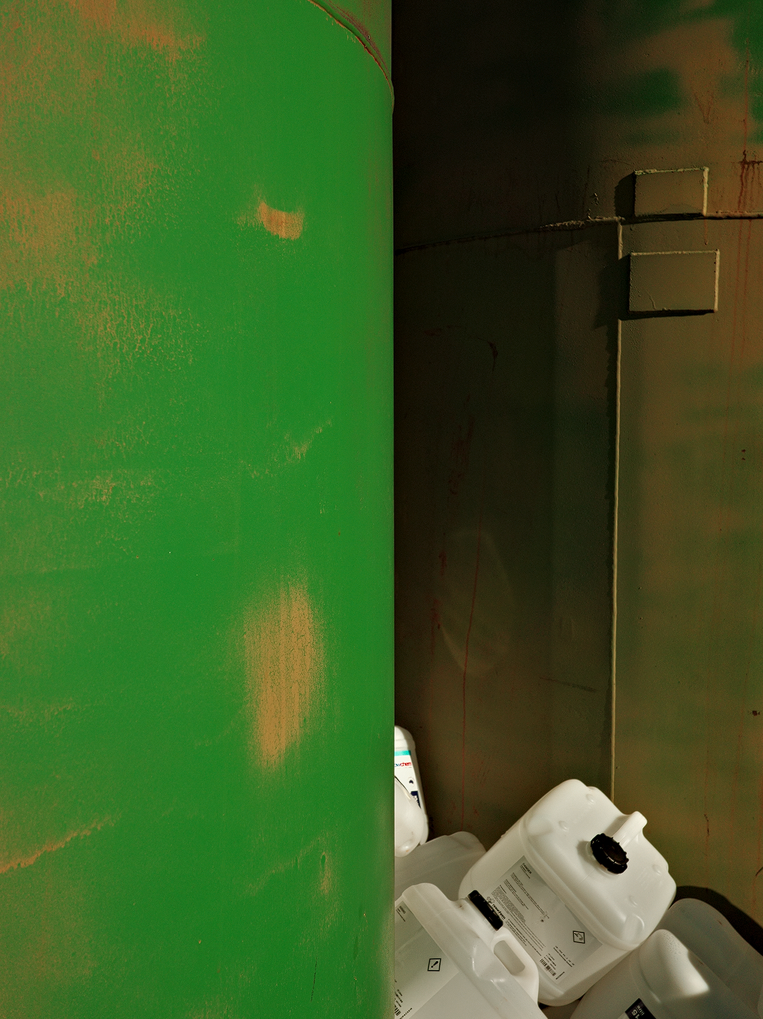
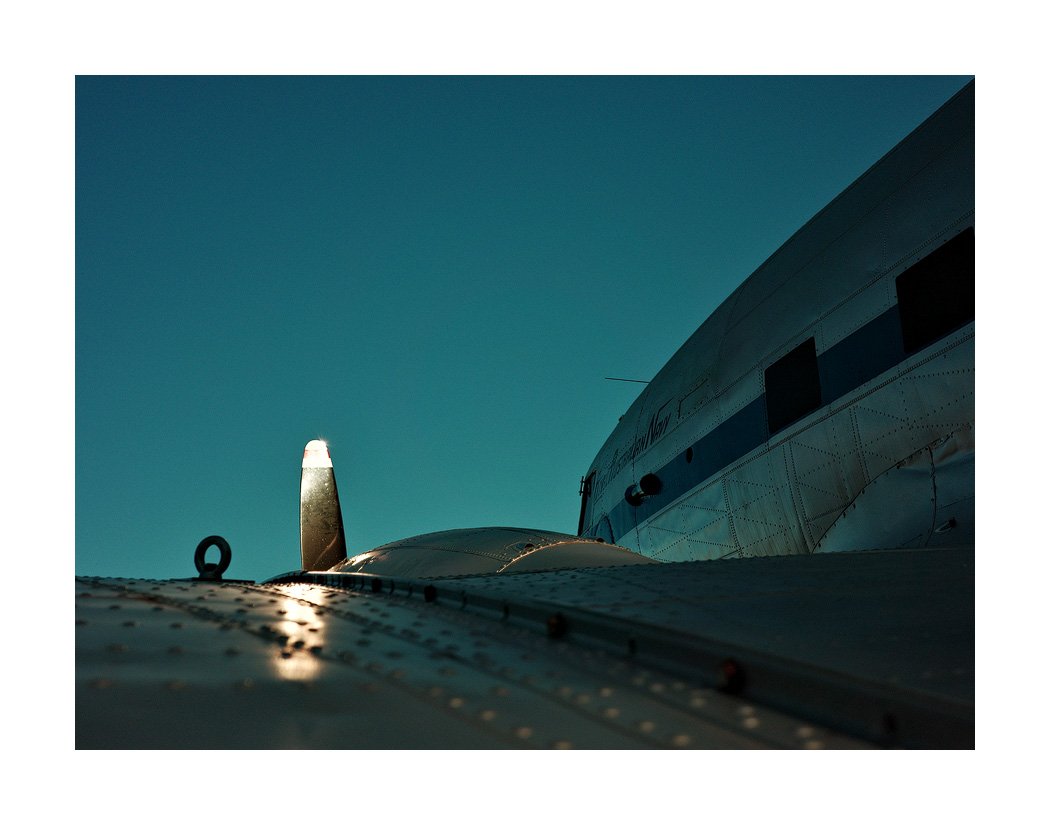
I must say, from the very first shot I took, there is this strange magical quality to the Ricoh that makes anything, no matter how ordinary, look interesting and cinematic. In a technical sense, I think this is down to highlight priority metering mode and the in-built profiles. The colour science is unique, and highlight metering meters for the highlights, which is what you want shooting digital (unlike film, where you expose for the shadows). It boggles my mind no other manufacturers offer highlight priority metering. Why?

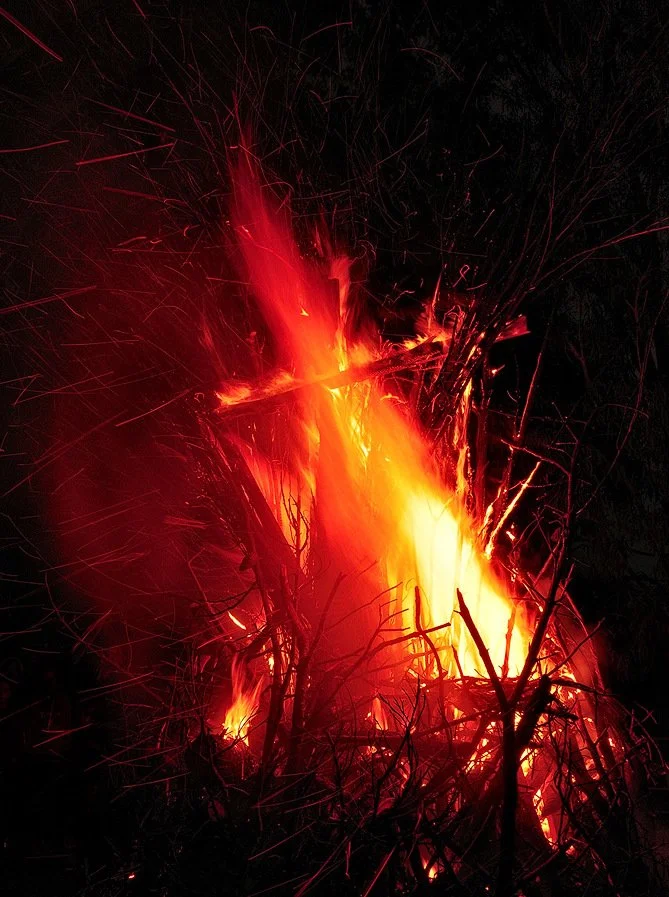
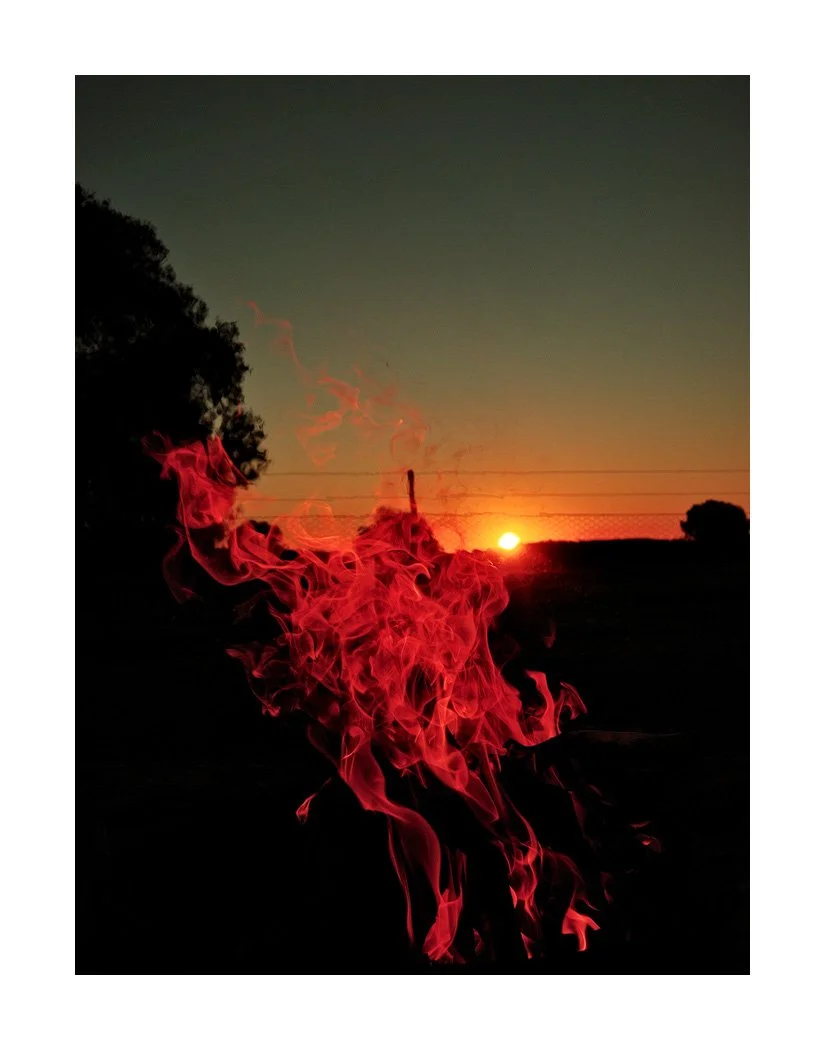
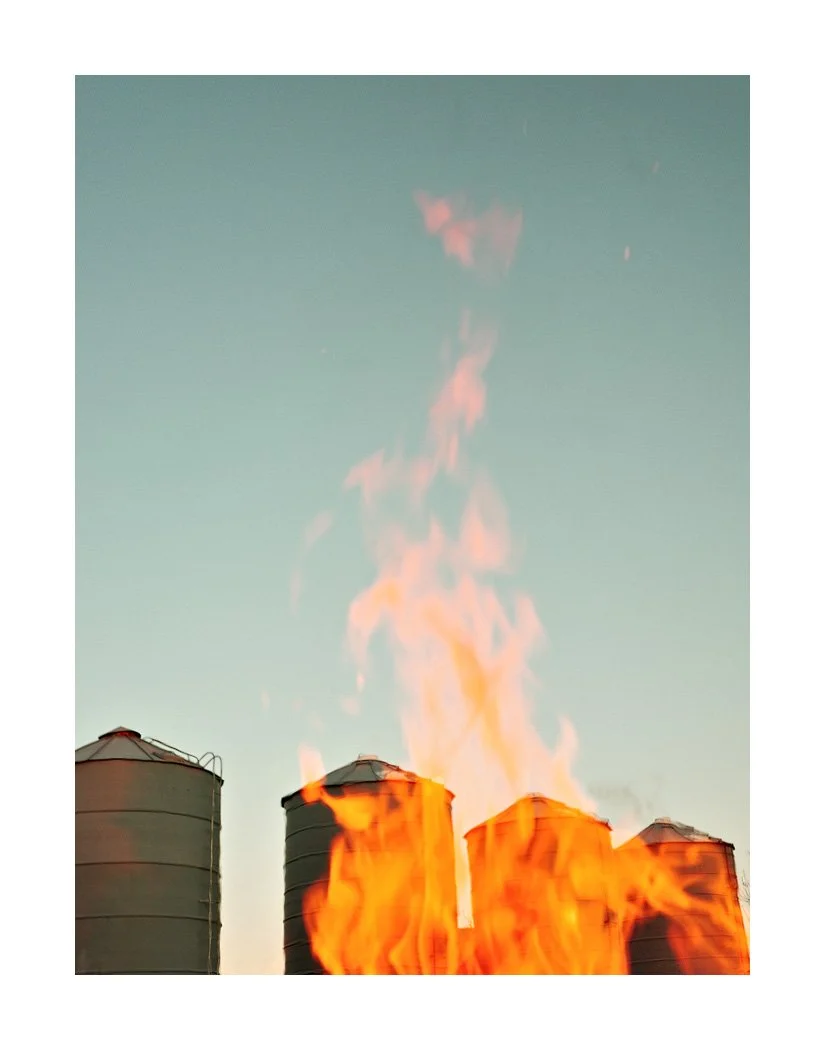
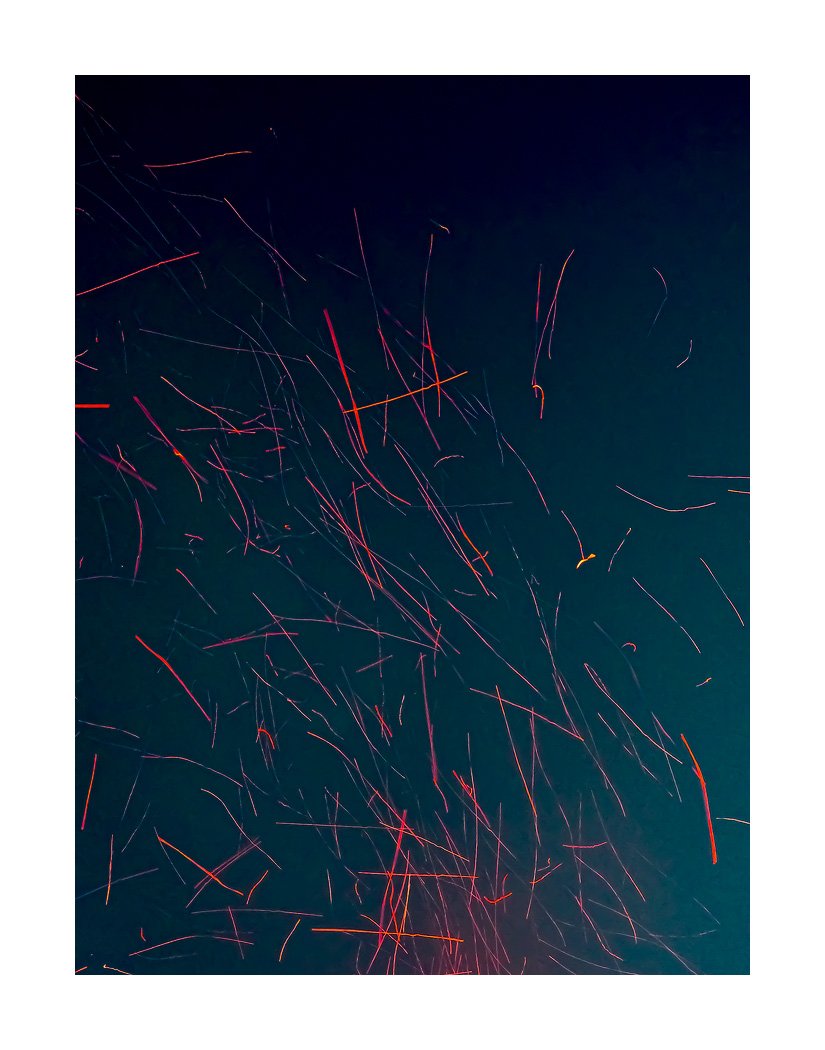
The burning of the wicker man at the Newbridge Winter Festival. Nice way to warm up.

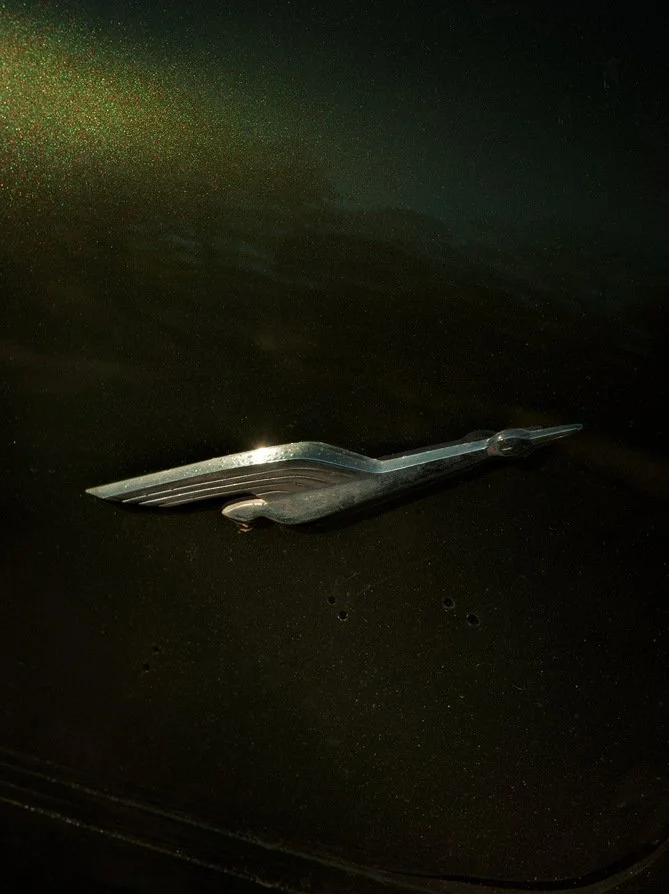
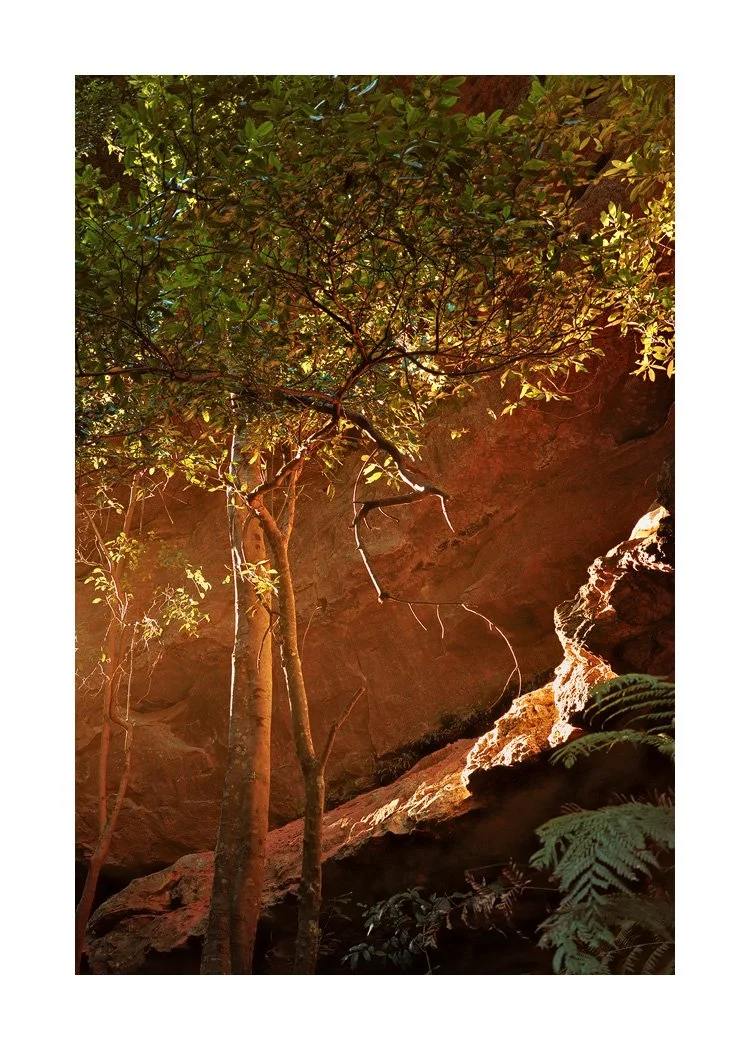
The combination of the sensor and highlight priority metering lead to filmic images like this, which reminds me of Kodak Portra.

Camera profiles, or recipes, are a big deal in the Ricoh community. The preceding Ricoh GRII was lauded for its Positive Film preset, and while the GRIII doesn’t quite have that specific magic, there are plenty of user recipes that are available. I largely stuck to Royal Supra, which is based on positive slide film and gives punchy, saturated colour. I have had Reggie’s Color Negative and Bennett’s profile loaded as well, but I’m still in testing mode with everything. For B&W, I’ve found the Hard Monotone profile especially good. It’s almost like applying a IR or hard red filter. It works wonders on skies.

I should point out these are applied in-camera to JPEGs. I didn’t actually edit the RAW files at all, which is a nice change. That said, half the RAW files didn’t record because I bumped the top joystrick/wheel and it set to JPEG instead of JPEG + RAW. Cest la vie.

But even using the standard profiles there is a filmic quality to the images. The dynamic range is great, sharpness fine. I wouldn’t push above 3200 ISO, but that’s a personal preference. As I’ve explained recently, I’m not so big on sharpness and perfectly clean files these days. I like a bit of grit, of character.

As for the 40mm focal length, the original, wide GR (now in its IV model) is just too wide for me. It’s too close to the angle you’d get from a smartphone. Ideally, I shoot more around 85mm, but I figured this would be a good way to get me out of my comfort zone. There is a telephoto adapter for the GRiiix, but again, it largely makes it unpocketable.

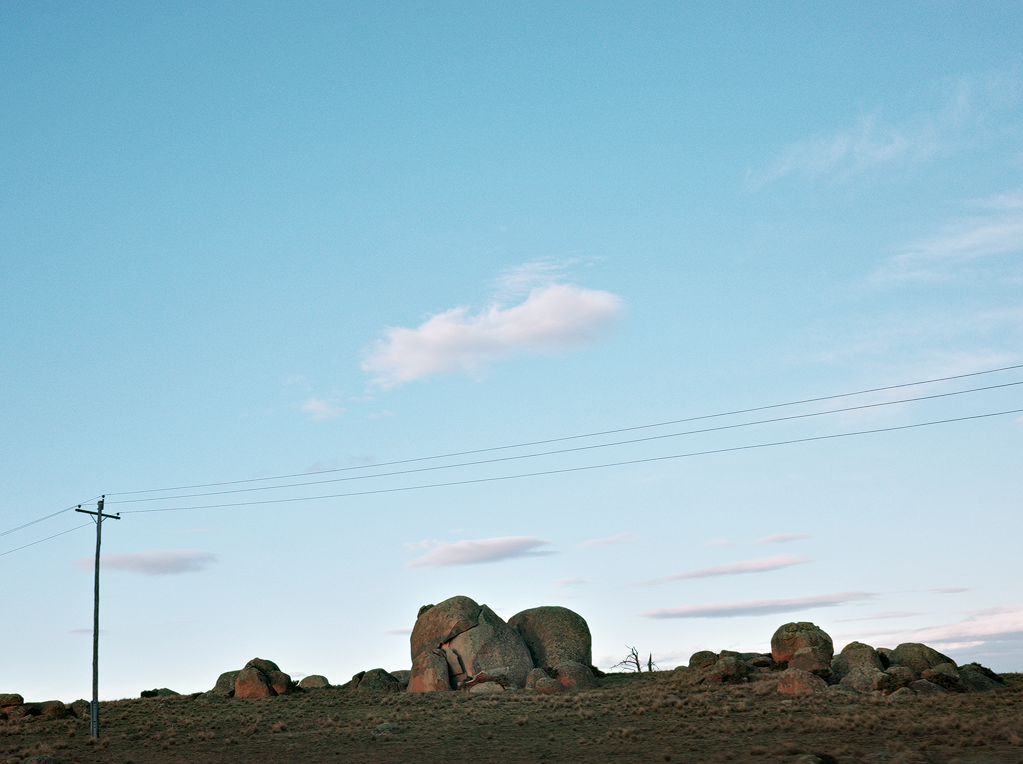
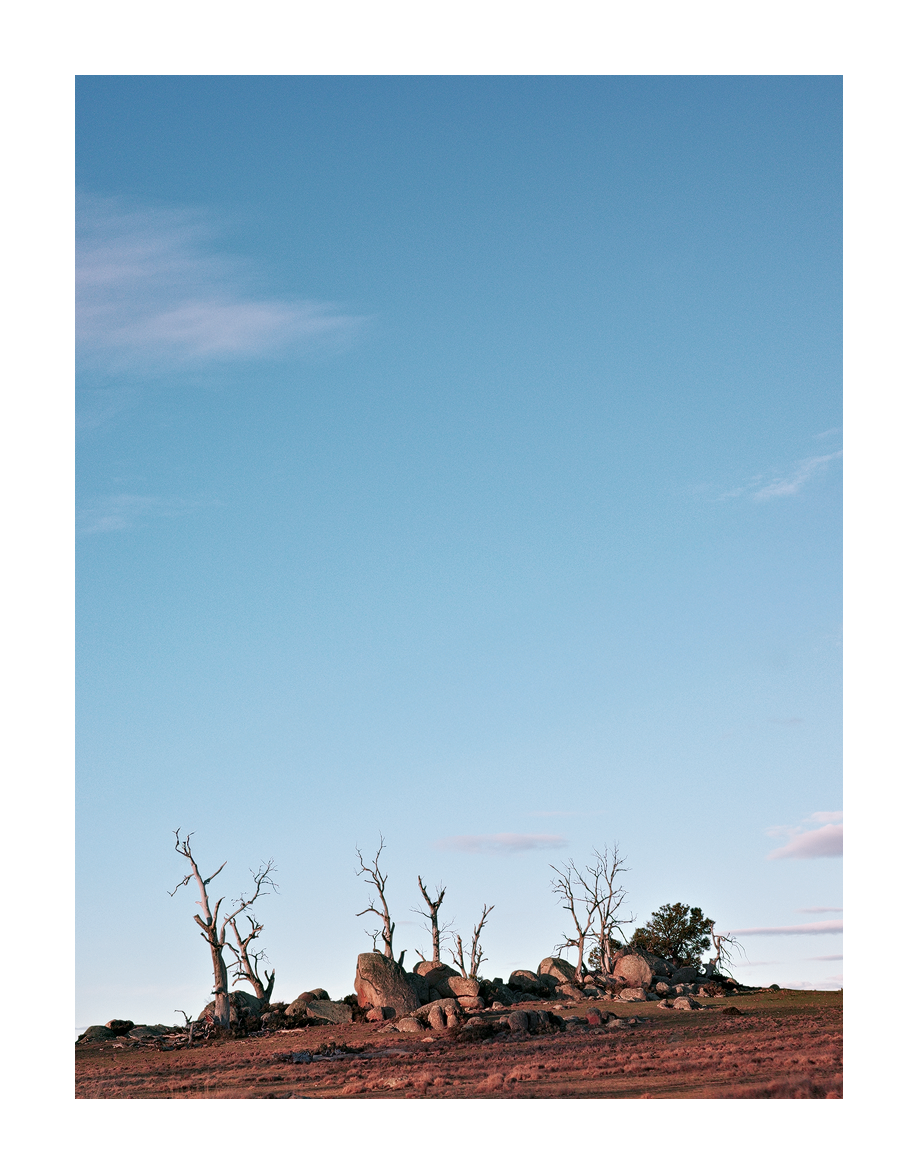
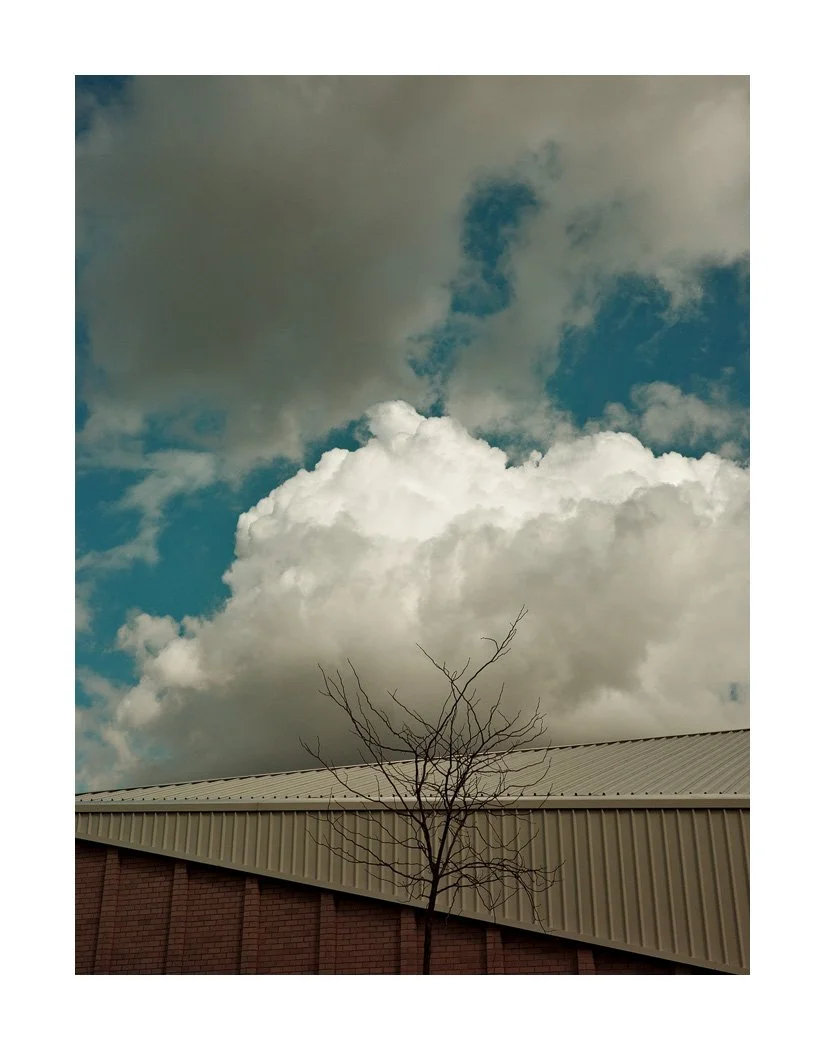
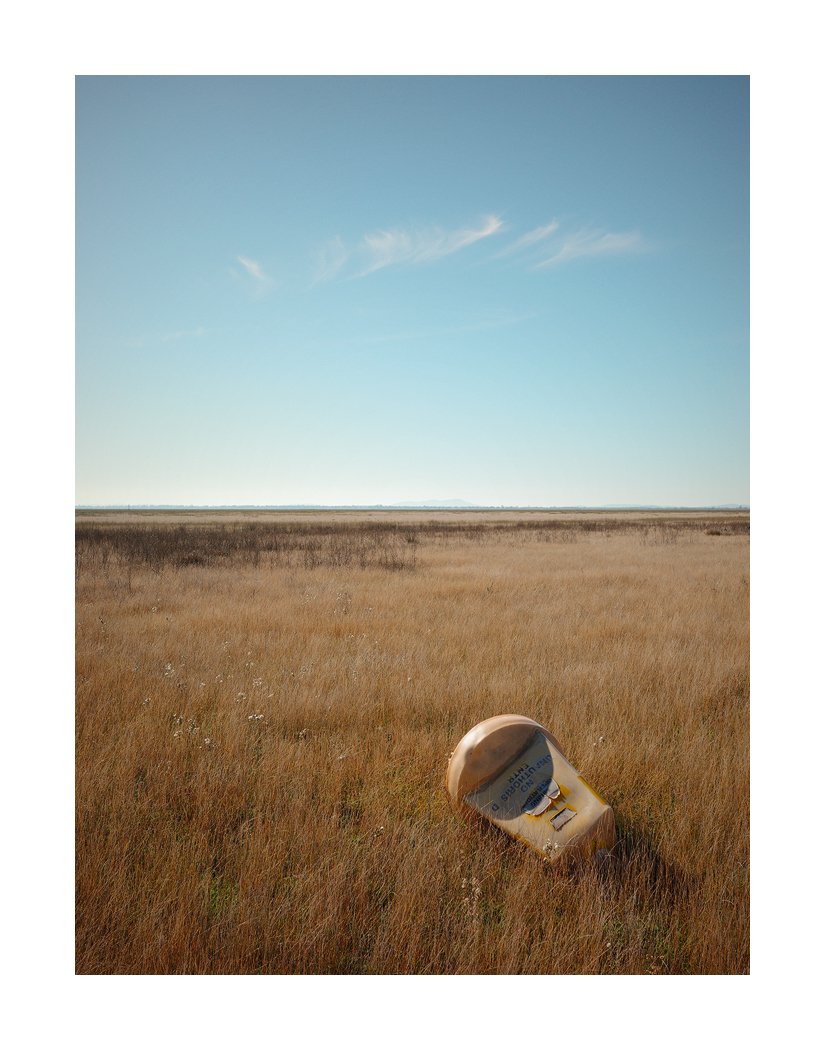
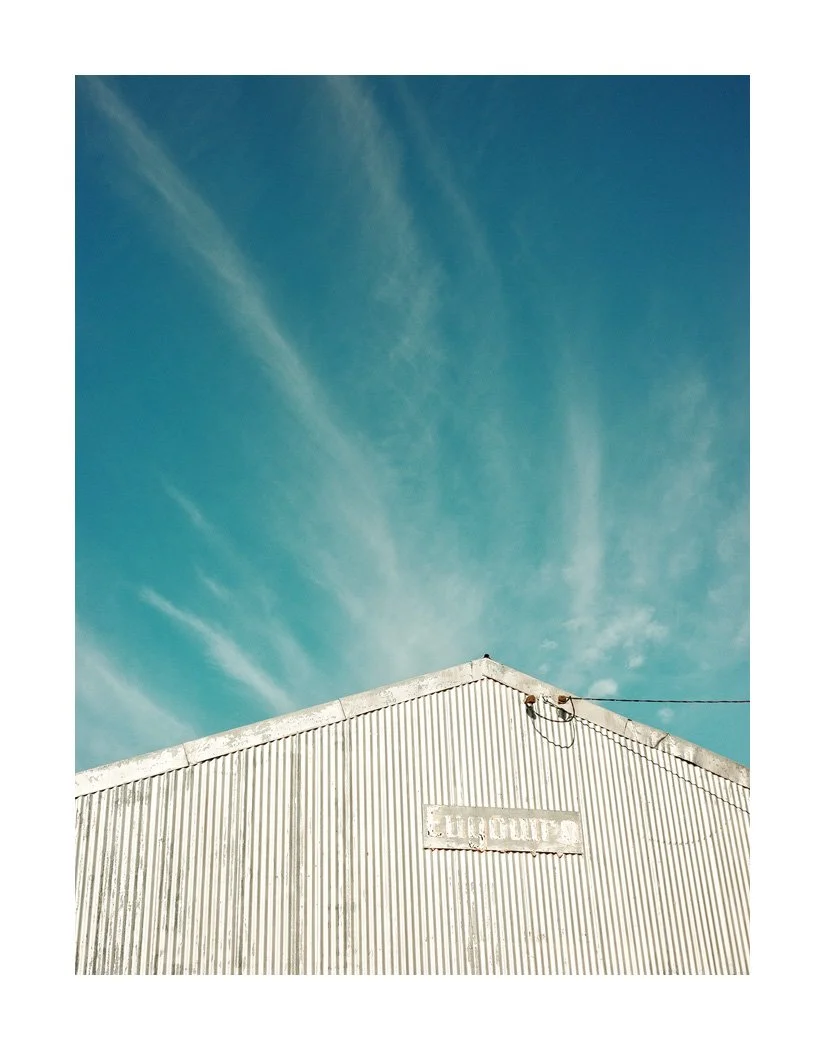
The photos here were taken during a two-day roadtrip around the NSW Central West. We covered around 1000km checking out the smaller towns out in the country and taking our time. As always, good food was a priority. The weather was mostly fine, so it was a good chance to test out how the Ricoh went with big blue Australian skies.

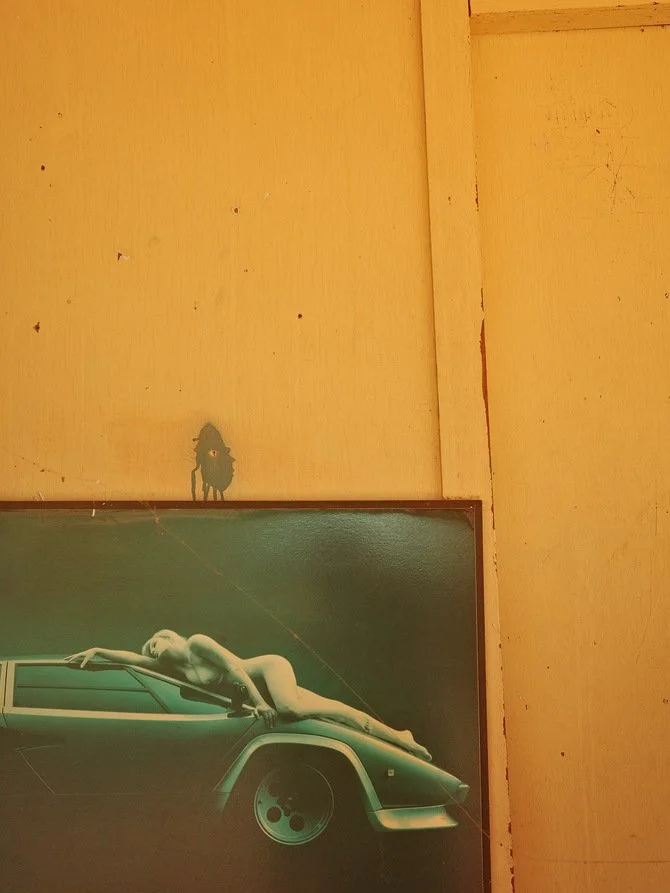
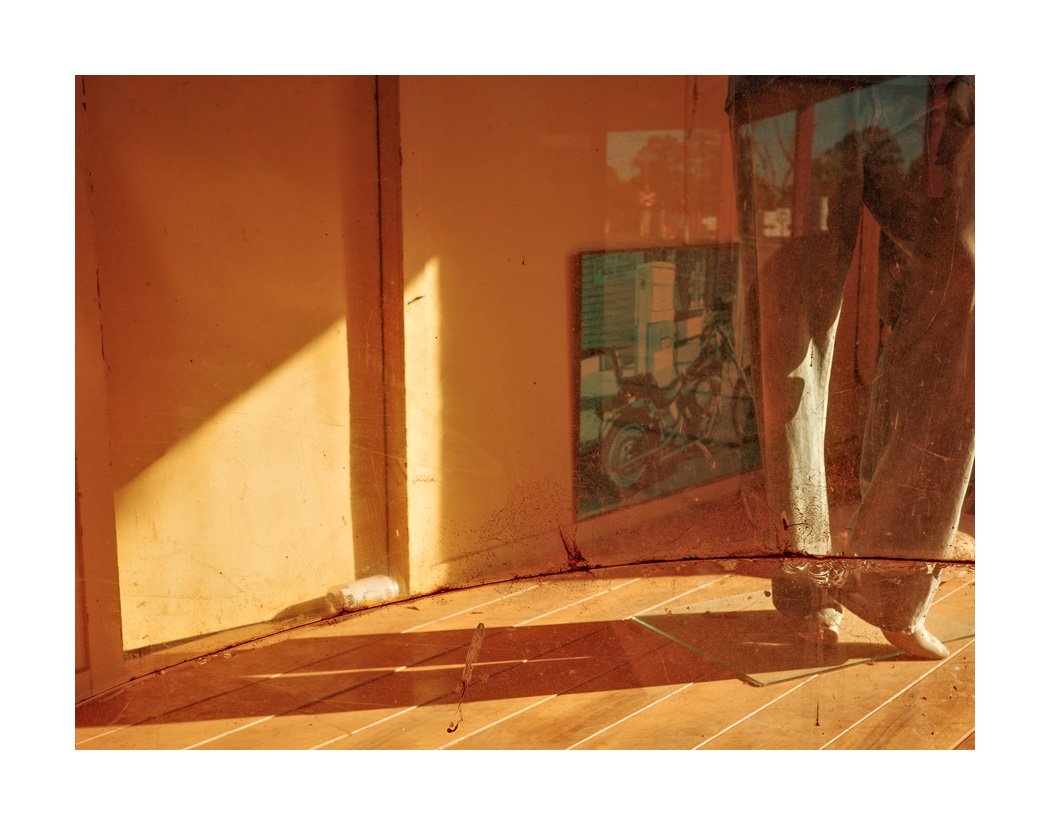
I think every boy of the 1980s had this poster on their wall. How this one found its way into an abandoned shopfront (next to a mannequin of a Native American in headdress) is a mystery.

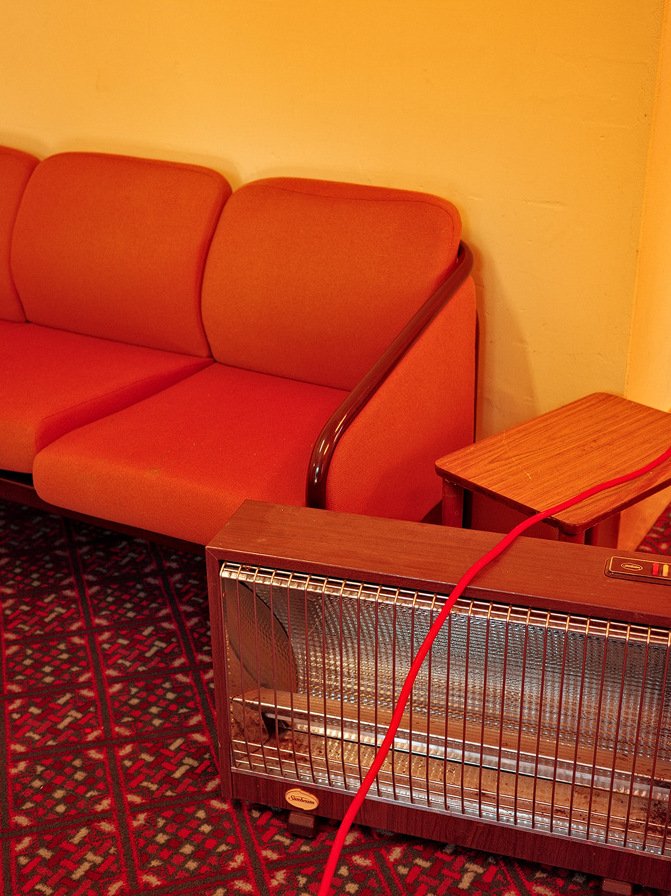
I loved this super retro scene at Cowra Railway Station. It was like I’d been transported back to my childhood right down to the extension chord.

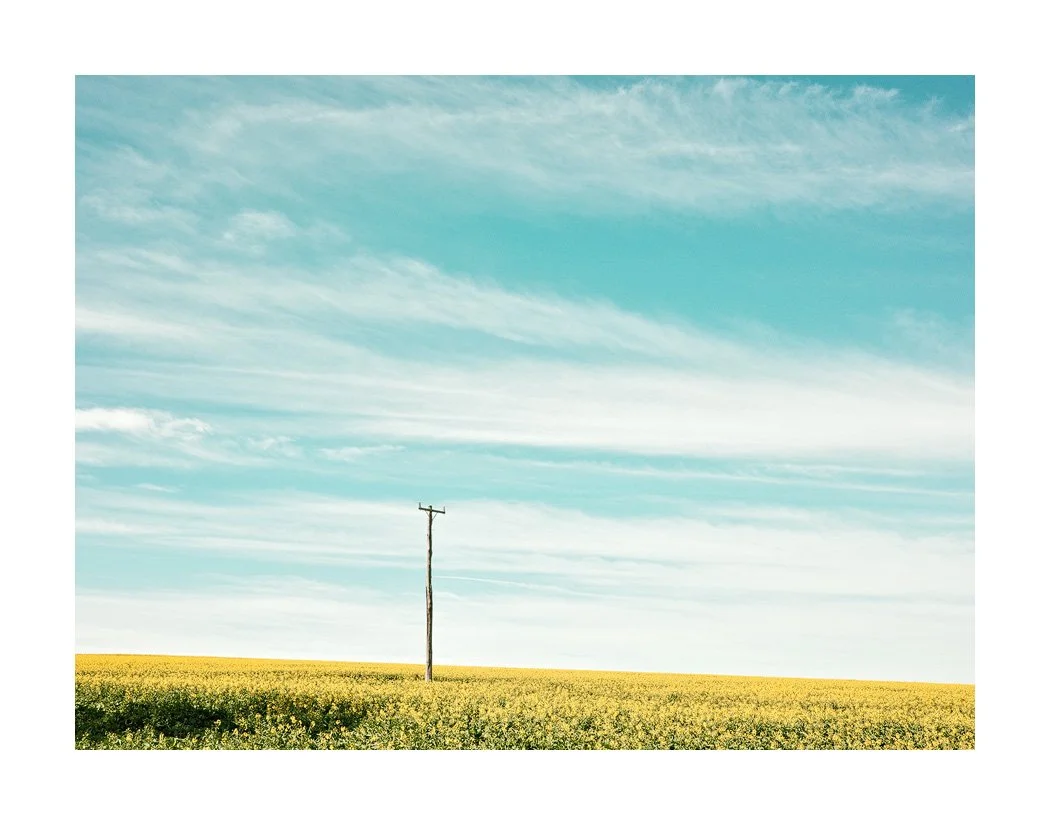
You do see a lot of quirky things in these smaller country towns, many of which seem to survive on the mining industry alone, with the positives and negatives that brings. It was also interesting to see the canola feeds in bloom, which usually doesn’t happen until a bit later in the year.

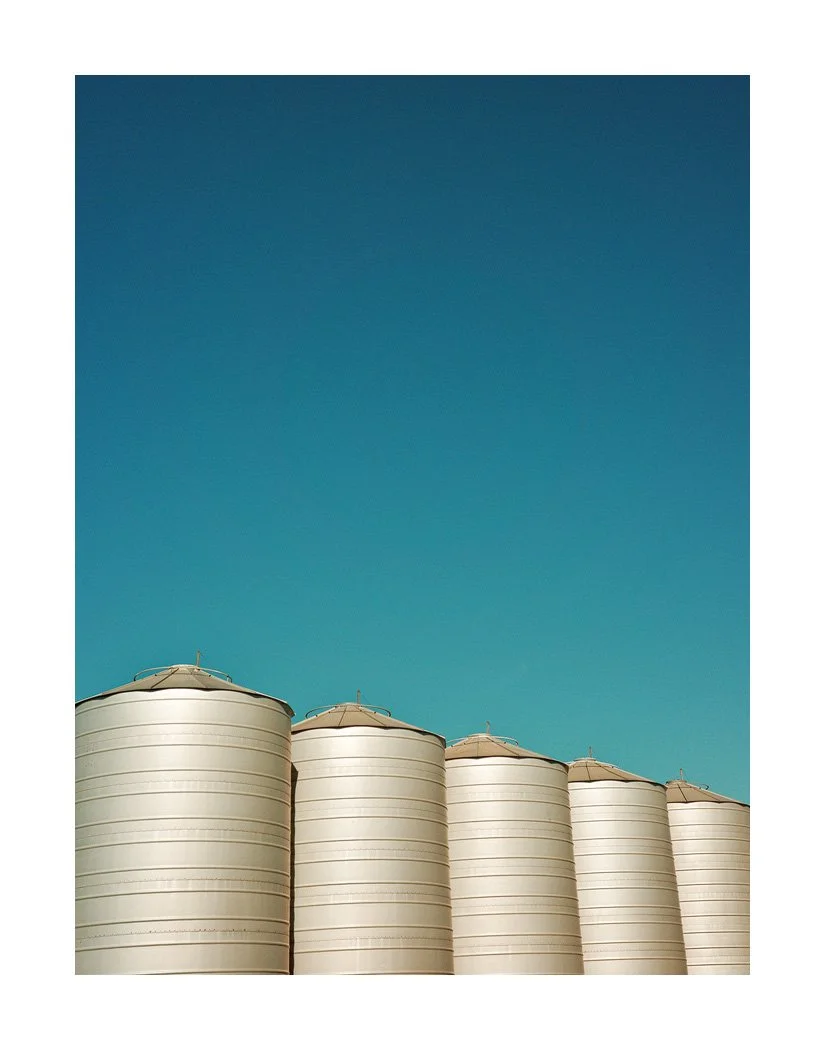
I always like to book at least one night in unique accommodation (see former stays in planes, trains, you name it). This time we stayed in a silo. That is, two silos converted into living spaces with a kitchen and longue between them on a working farm. It was a great experience. The owners had really thought of everything. Click here to check it out.

So Ricoh GRiiix downsides? Not too many, actually. A megapixel bump would be welcome, as would be weather-sealing, and dust (I have heard) can be an issue with the retractable lens. The in-camera aspect ratios are also a bit limited. It would be nice to have at least 3:4, or better 4:5 or 6:7. I’m having to crop to 3:4 in post. Why? I just prefer the format, as it’s a little closer to medium format sizing and tends to break away from the ‘this was shot on a phone/compact.’ My ultimate aspect ratio is 1:1, but that would mean scrapping half the sensor size of the Ricoh. Maybe I sense a medium-format 6x6 film camera in the works…

I’ve also heard a lot of people complaining about the battery, but I had no issues. I always shut the camera off when not in use, and the start-up time is super fast. Combine that with snap focus and it’s easy to see why street photographers love this camera so much.

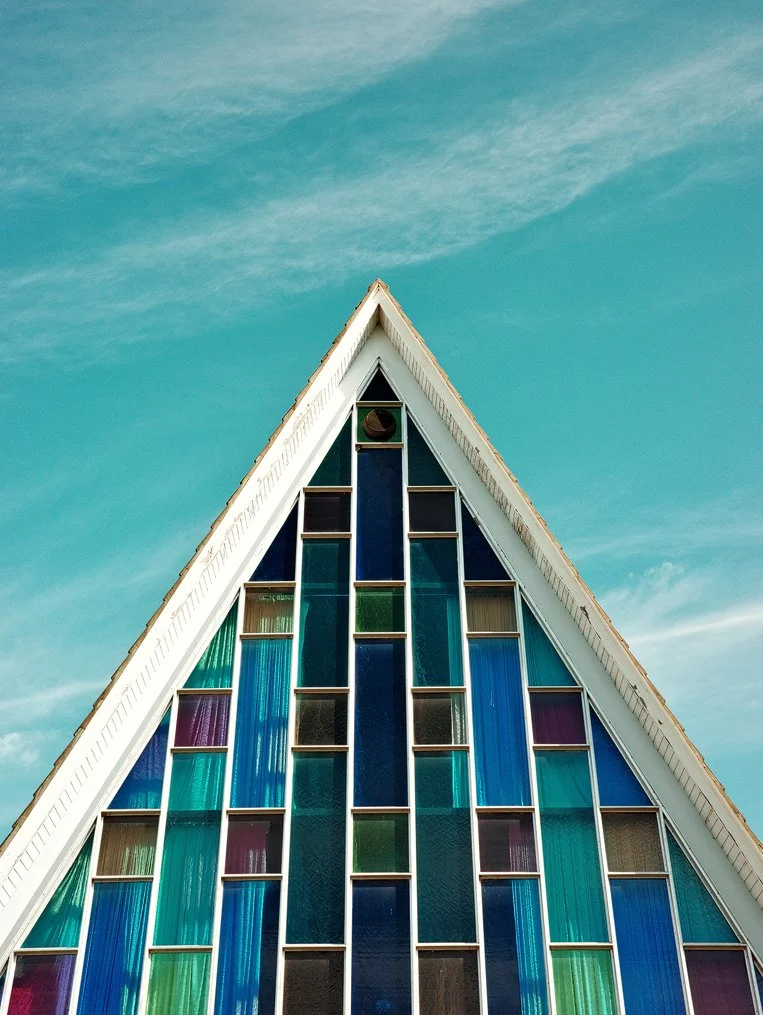
I had seen this now derelict church on Google maps and had to find it. I just love the color and design.

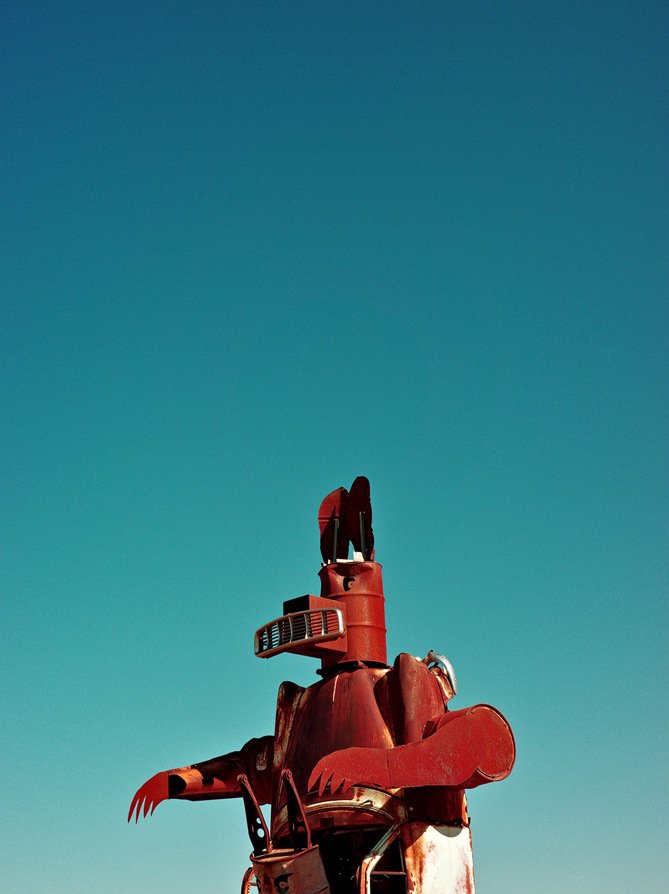
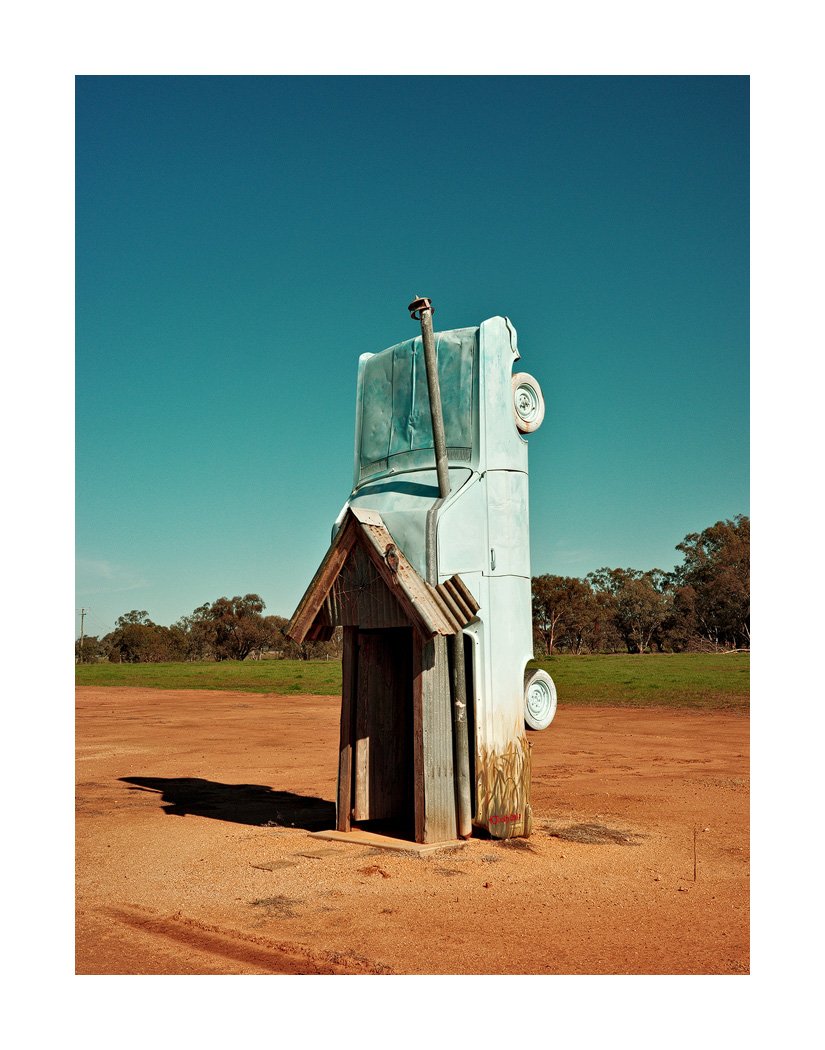
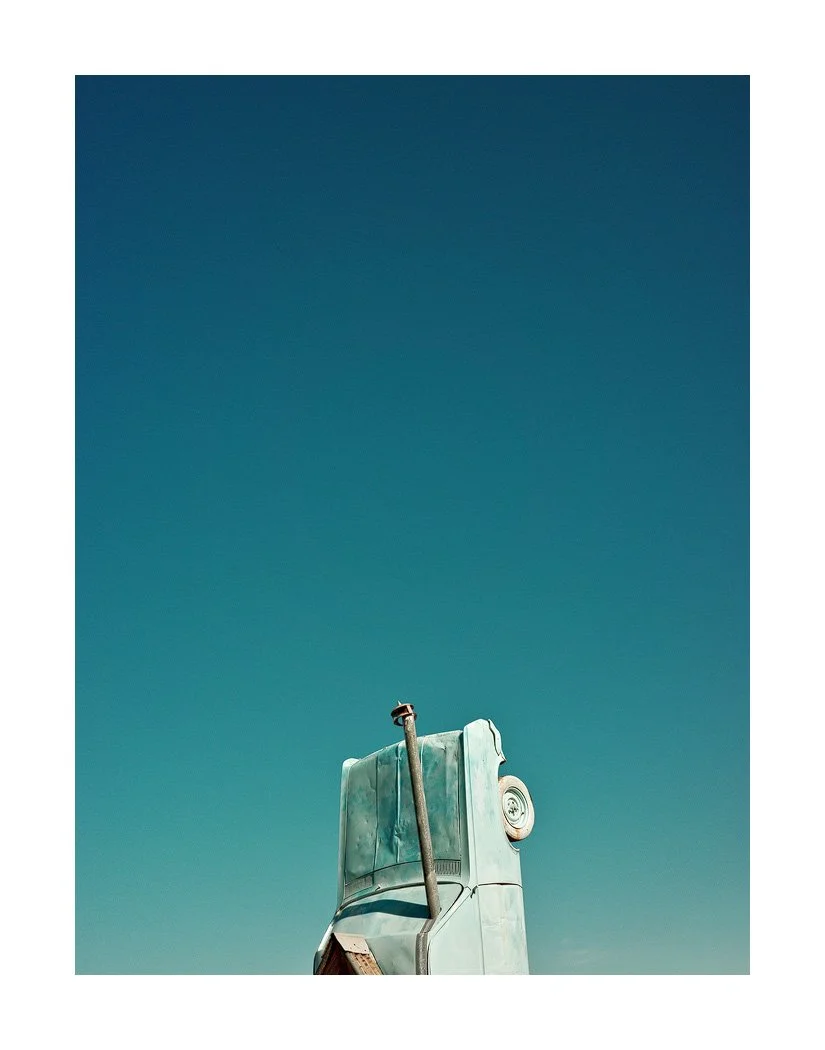
This guy is part of Utes in the Paddock at Condobolin, which is well worth a look if you’re heading past that way.

All in, this is a magical little camera I have ignored for too long. I’m going to take it on the City 2 Surf fun run in Sydney this weekend, which is definitely something I wouldn’t have been able to do with the Fuji XT5 or GFX.

Anyhow, tune in next week when I decide to trade it all in for a Hasselblad X2D.

As usual, plenty more images below.
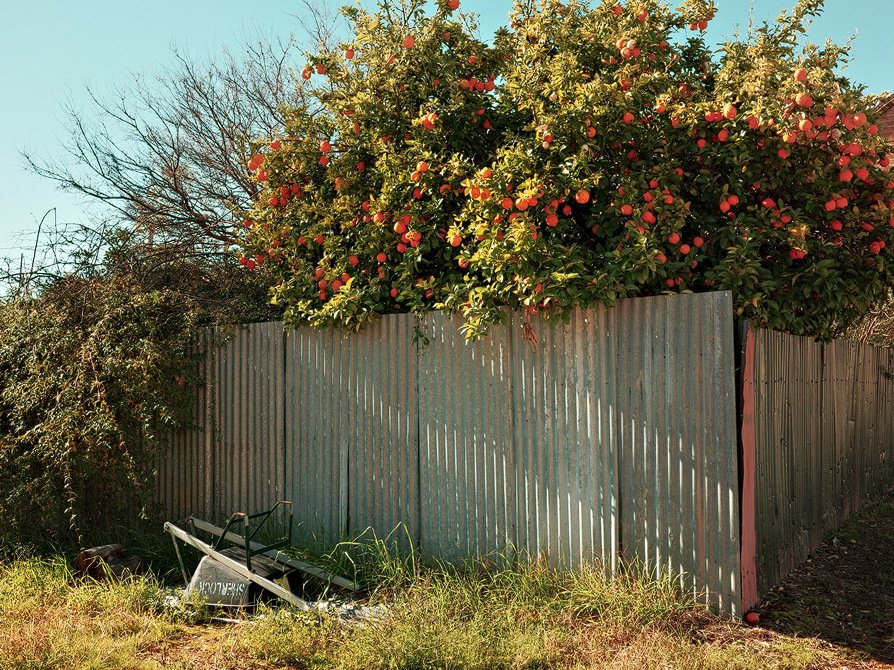
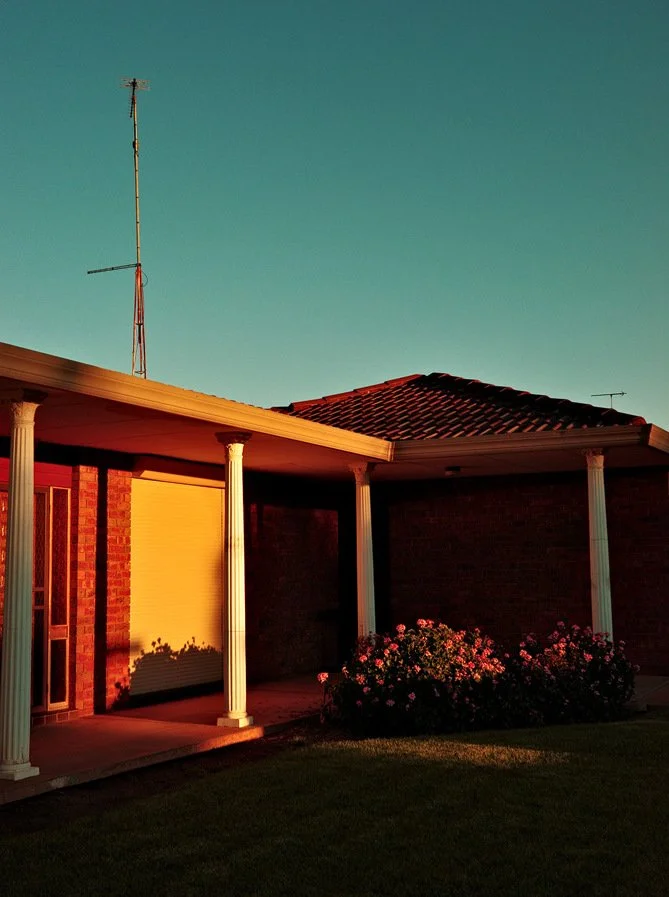
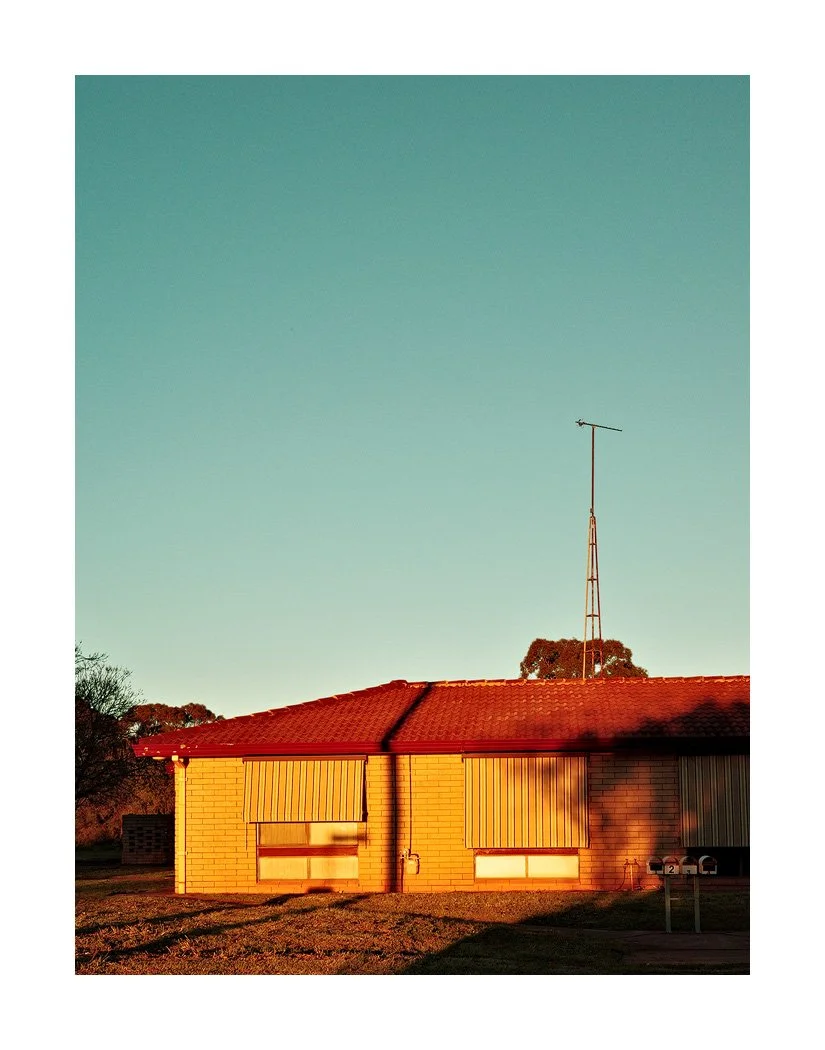
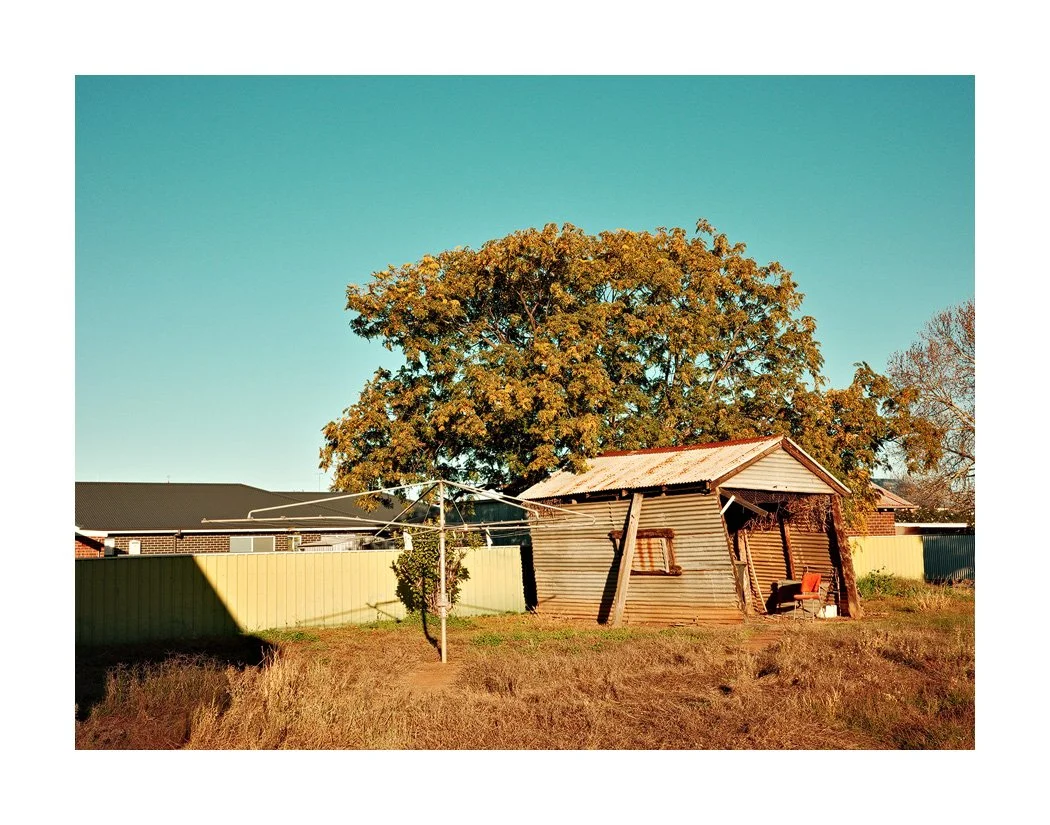
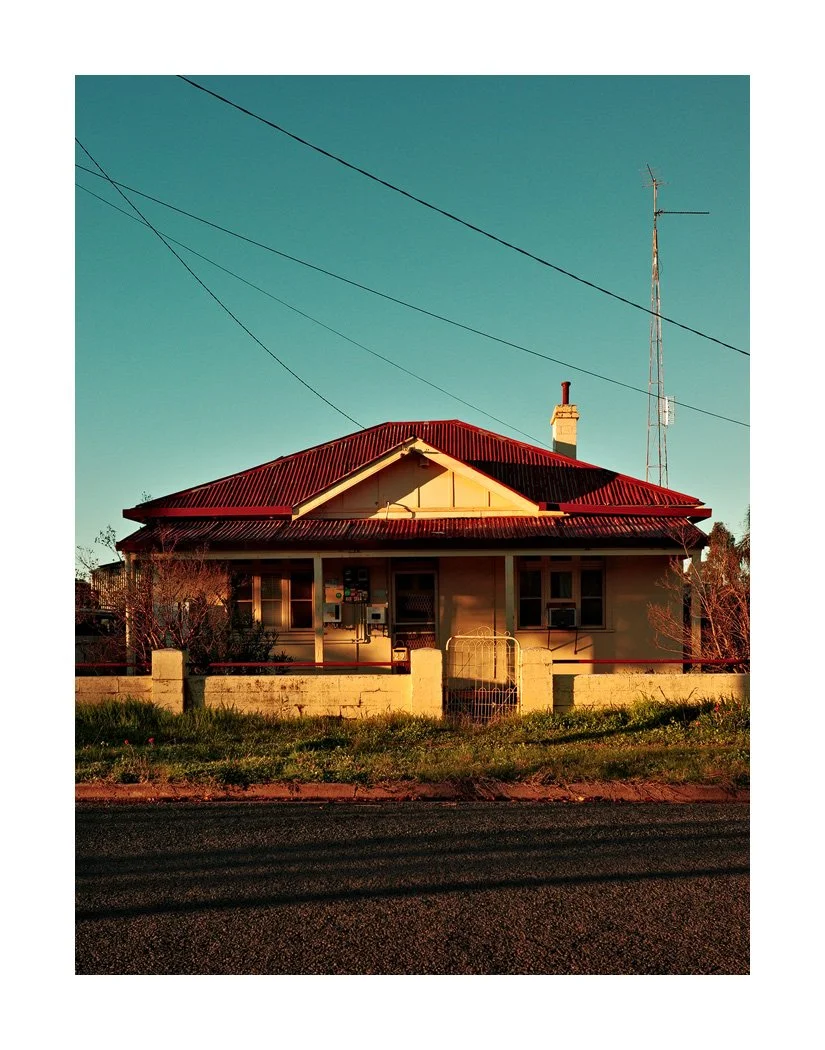
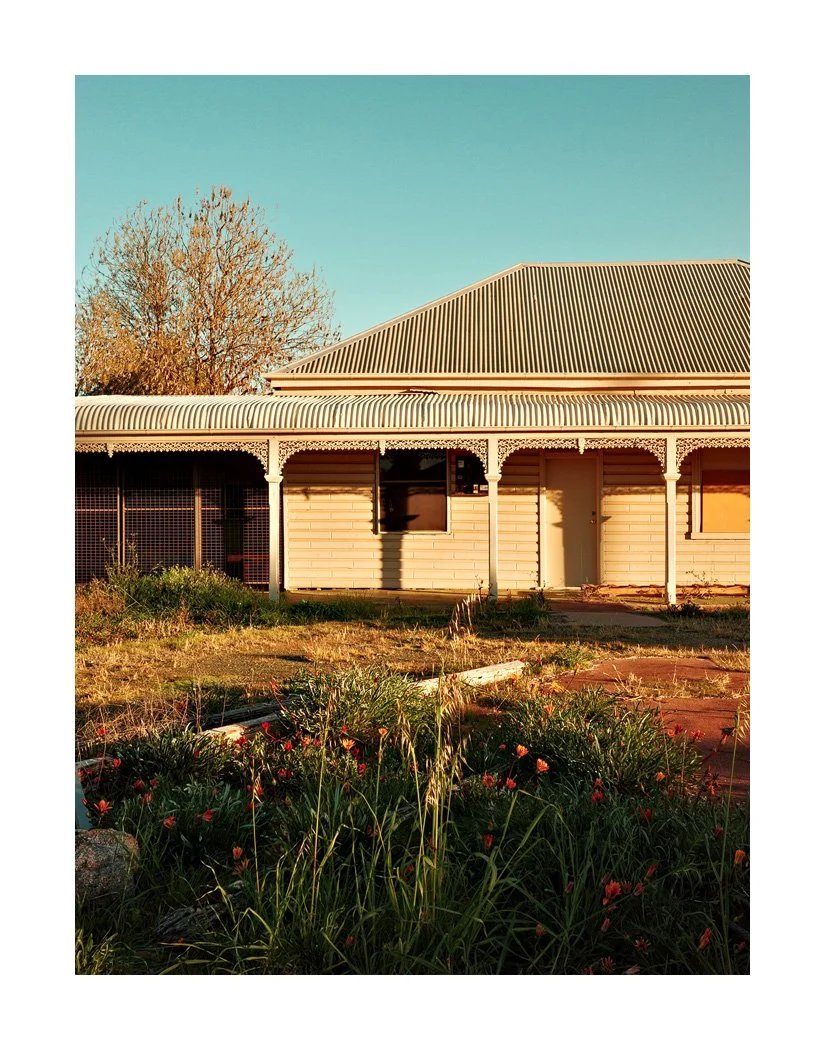
Just such an iconic slice of Aussie country suburbia. Note the size of that antenna.
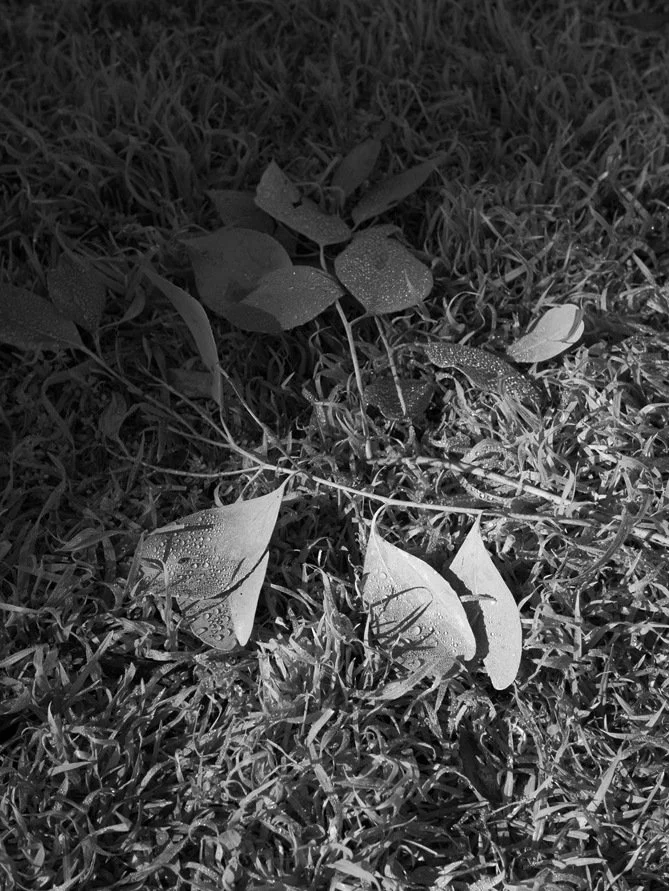
To prove to my daughter that the Ricoh GRiix is indeed magic, I pointed it randomly at the ground and took this shot. It’s just grass and leaves, yet it still has a cinematic quality to it, no?