Fujifilm XT5

Sydney CBD Photo Walk With The Fuji XT5

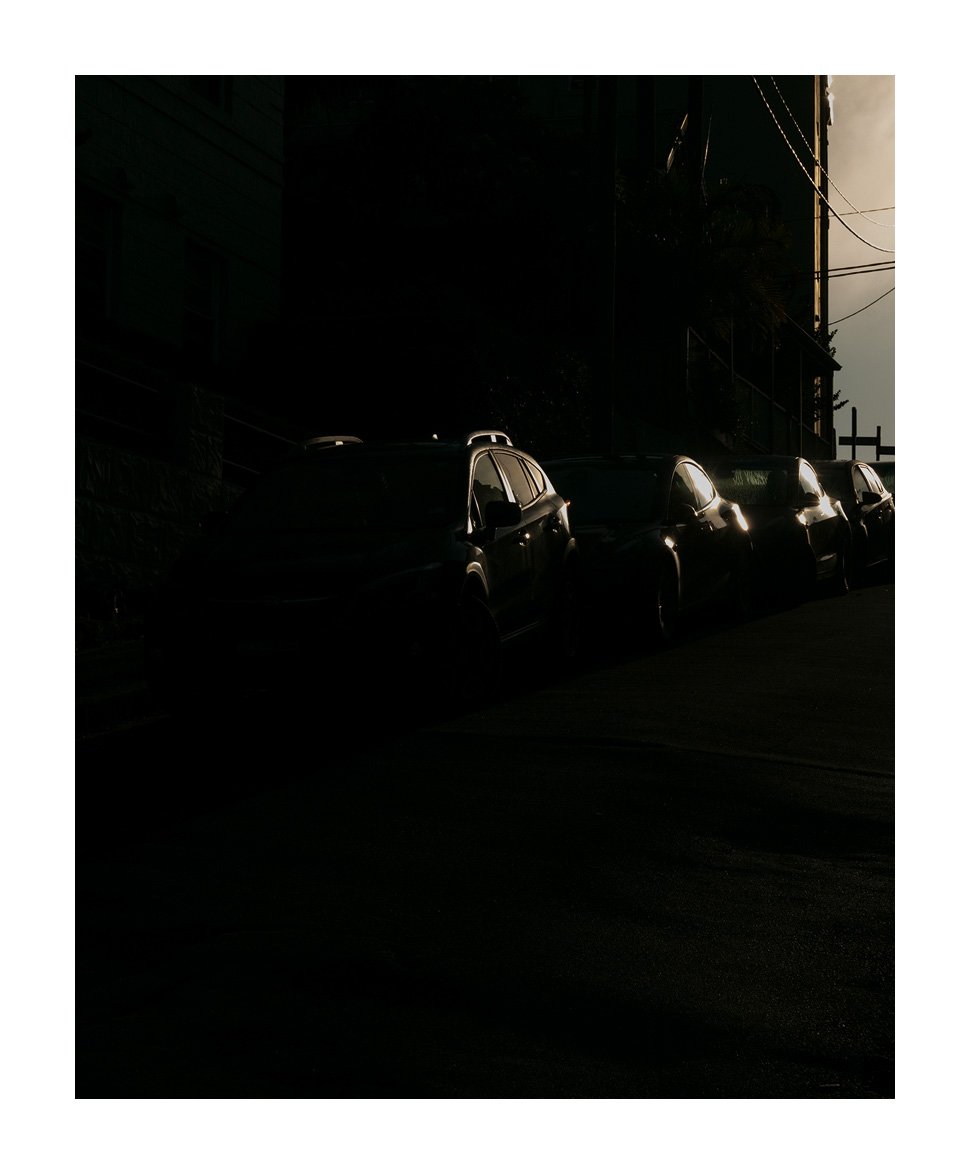
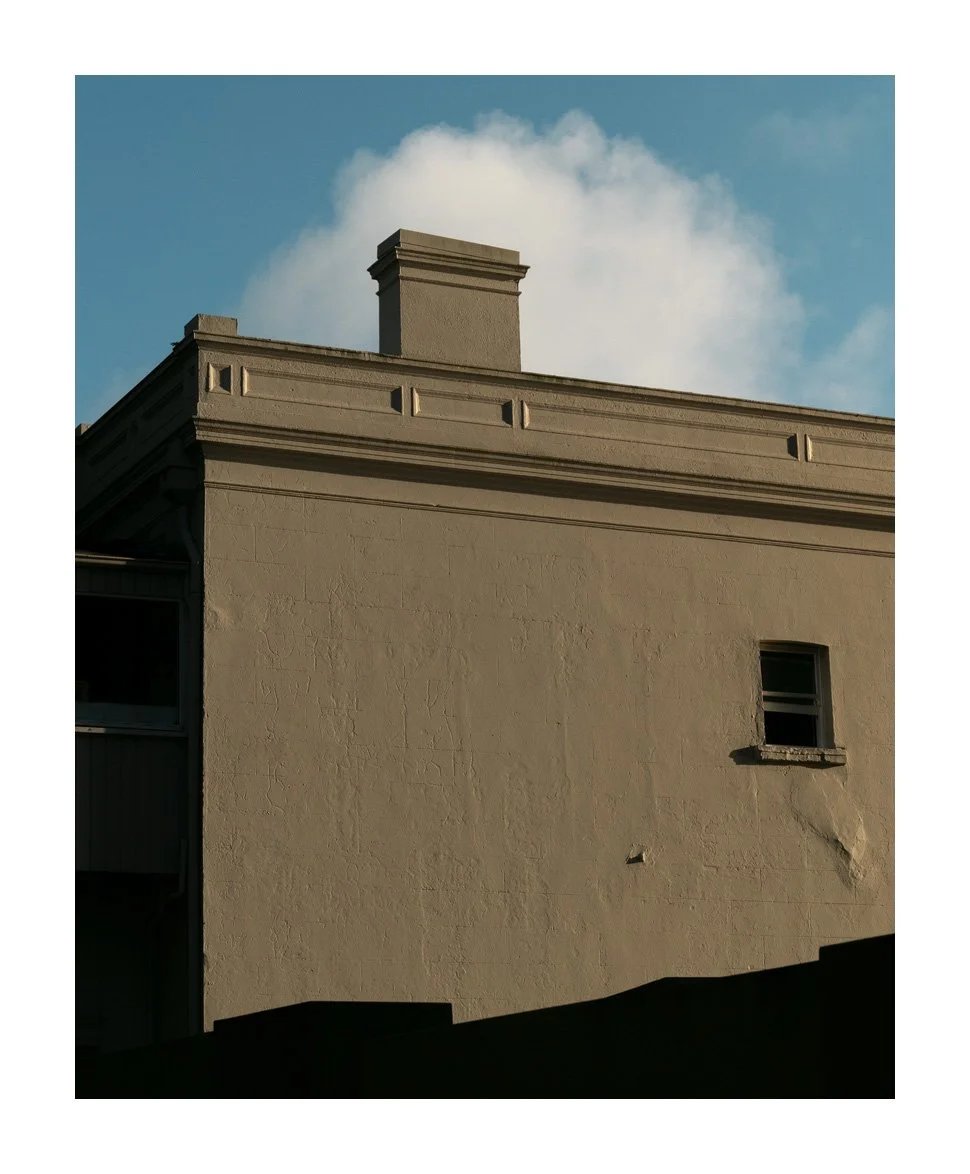
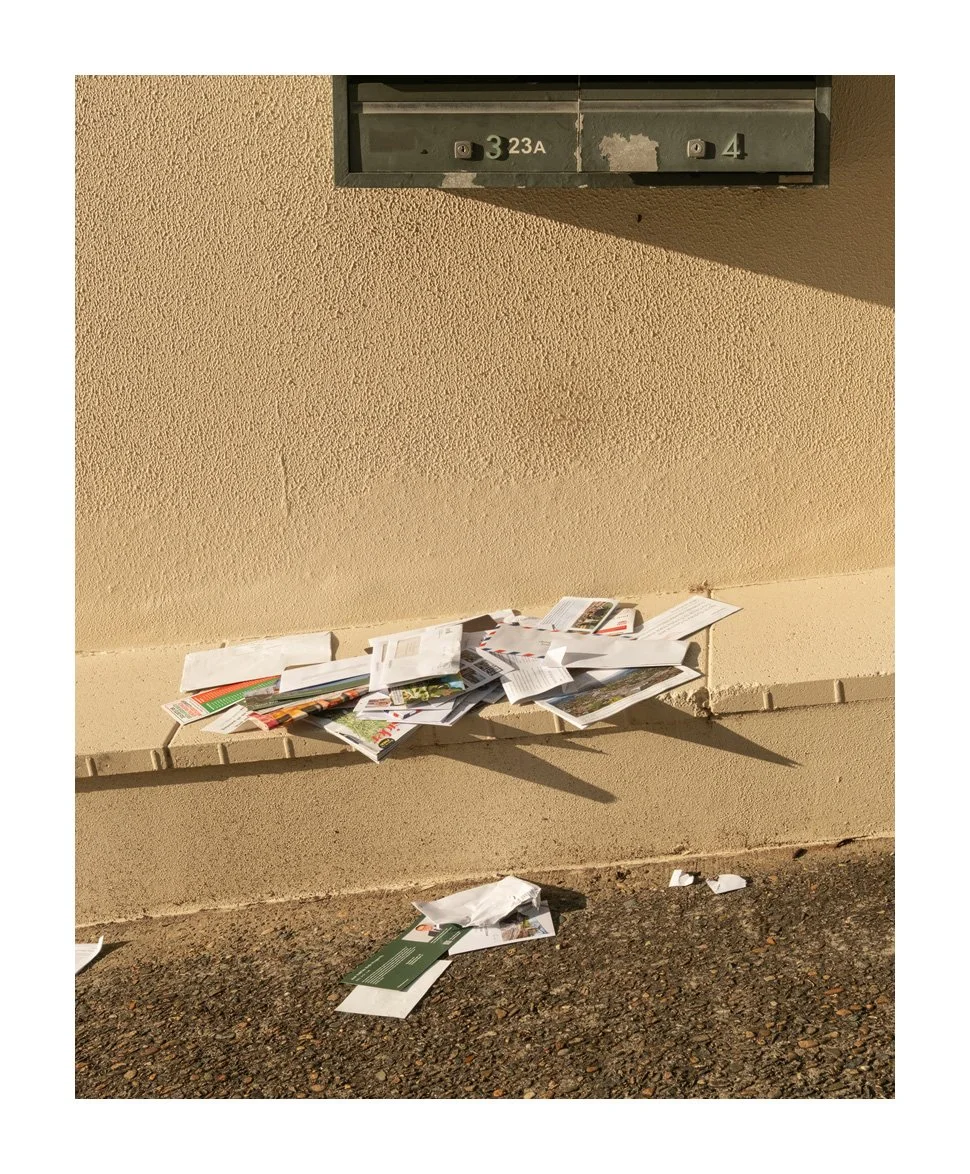
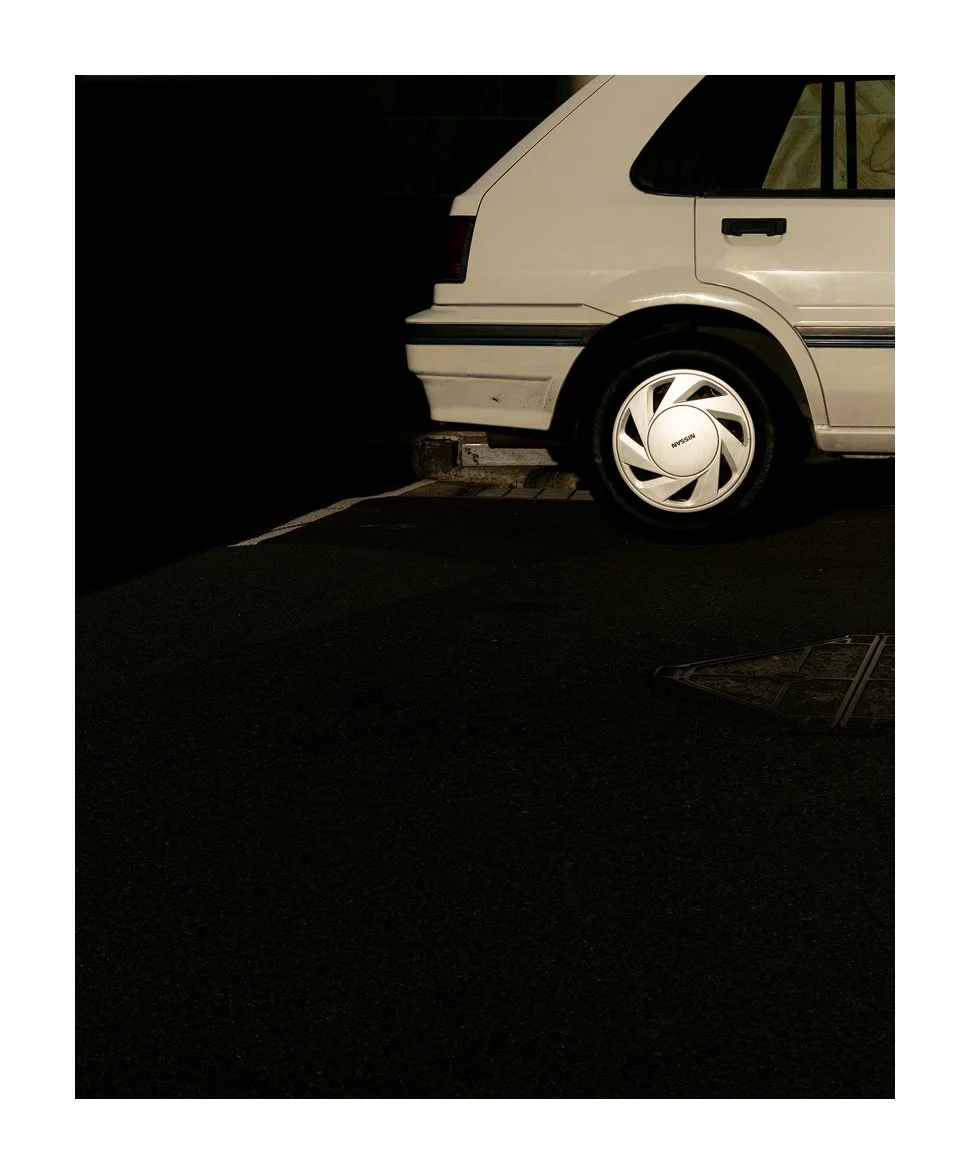
It was great to head out on a fine summer’s day with a good friend shooting around the Sydney CBD. It’s rare I have company, but provided they can stand by constant yapping, it’s always fun having a second pair of eyes as you’re wandering around.
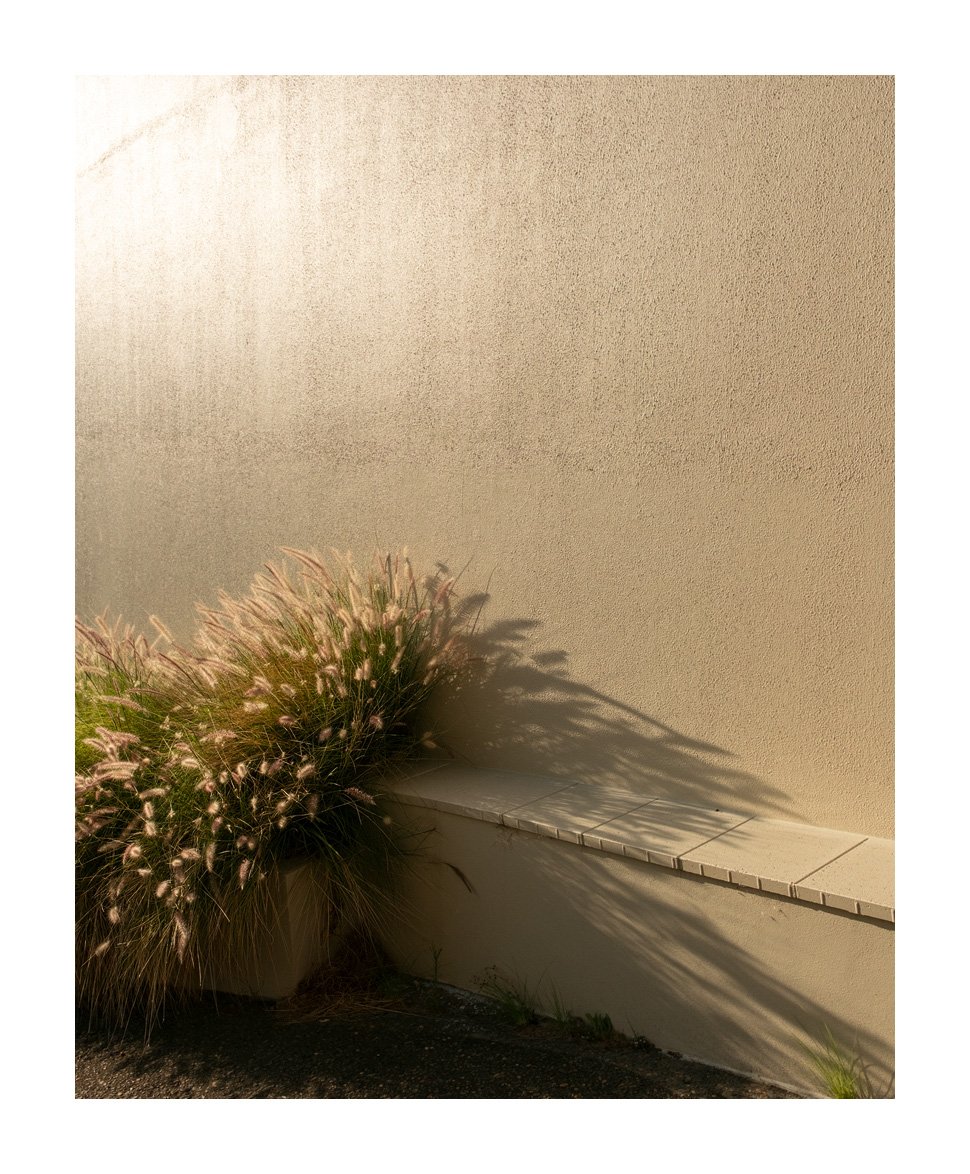
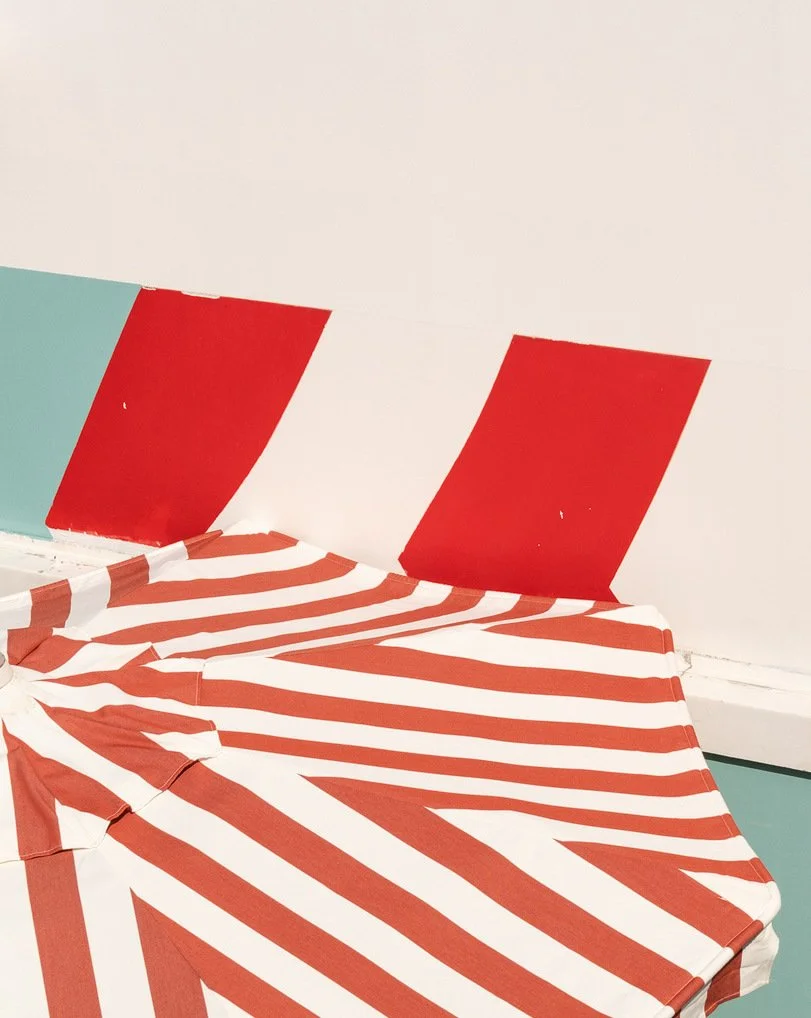
I love this one. I’m actually accumulating a few images like this. It’s very illustrative, almost paper-like. Could be a series. ‘Urban garden’ or some-such.

I always find photographing the Sydney CBD especially hard, as I do most cities. As I’ve said before, there’s just a lot of visual clutter. It’s also hard finding new compositions in streets and places you’re so familiar with. This morning we chose to start in North Sydney for something different. We then made our way over the bridge and towards the Royal Botanic Gardens.

The beautiful part of a photo walk is the unknown. You don’t know what’s going to be happening in the city on that particular day, what the weather will do—It’s full of possibility. We had quite nice light in North Sydney thanks to a largely clear sky, though the heat picked up pretty fast. It gets hot in Sydney this time of year, usually 40degC plus.
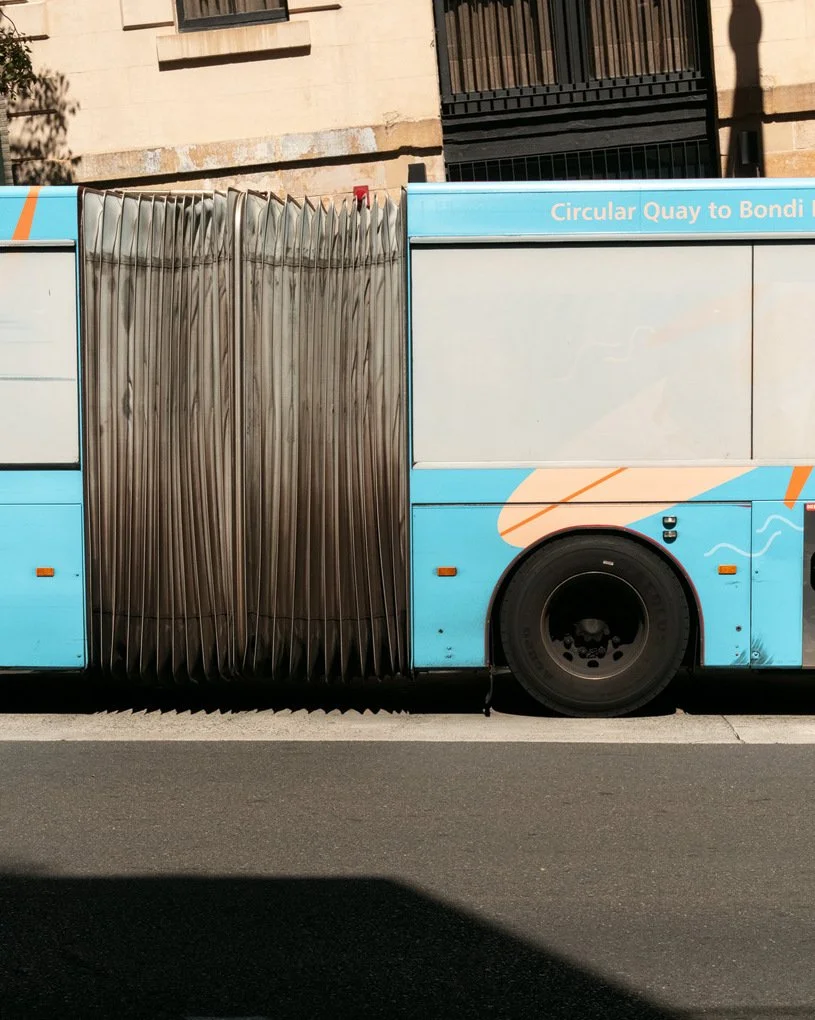
I haven’t seen these bendy buses for a while here. Having a bit of fun here with perspective. The bus was actually parked on a hill.

To be completely fair, these photo walks usually turn into food walks for me. This was no different. And damn if I didn’t have an especially good chocolate croissant down in The Rocks. It’s also a good way to break things up a bit. Always good eating to be found around the CBD.

Again, I took both the Fujifilm XT5 and my film camera (Canon AV1), the latter of which was loading with redscale film, for something different. I had meant to try out the multiple-exposure function on the XT5, but completely forgot about it. It’s also been nice using a sling-style bag as opposed to my older backpack. Now, I simply reach down for my camera as opposed to having to pull off my backpack, unzip it, take out the camera, etc.
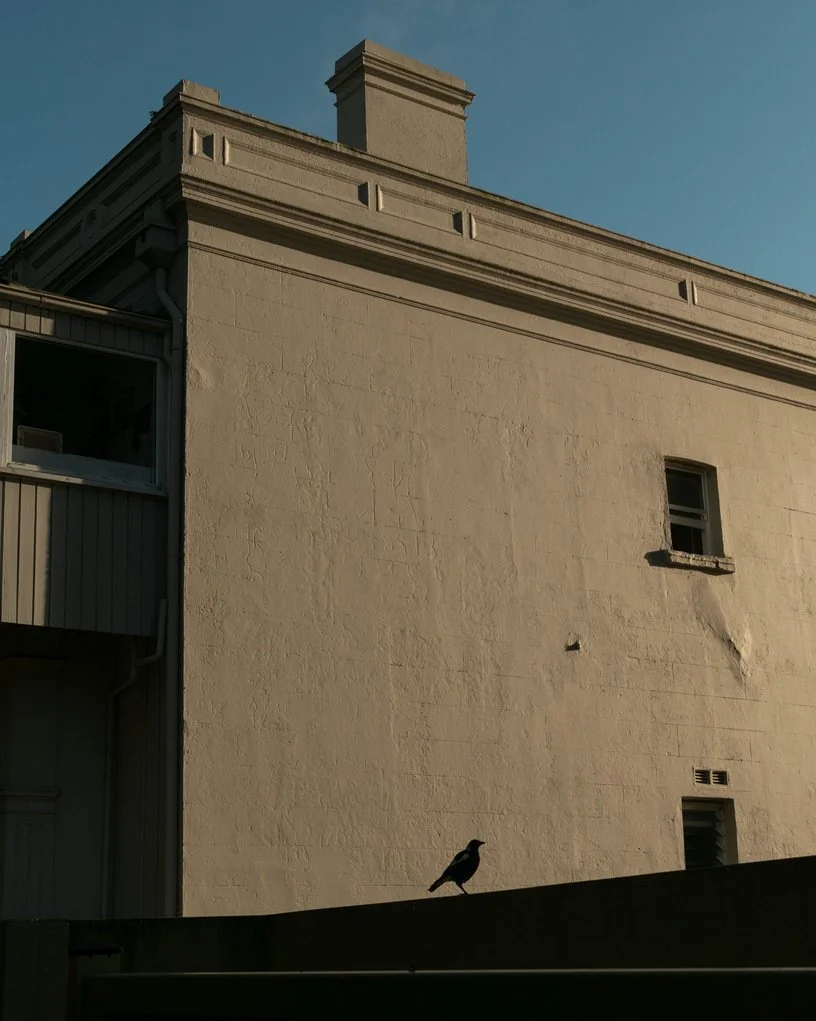
I can’t resist a good swoopy boi (magpie). Again, leaning into those deeper shadows now.
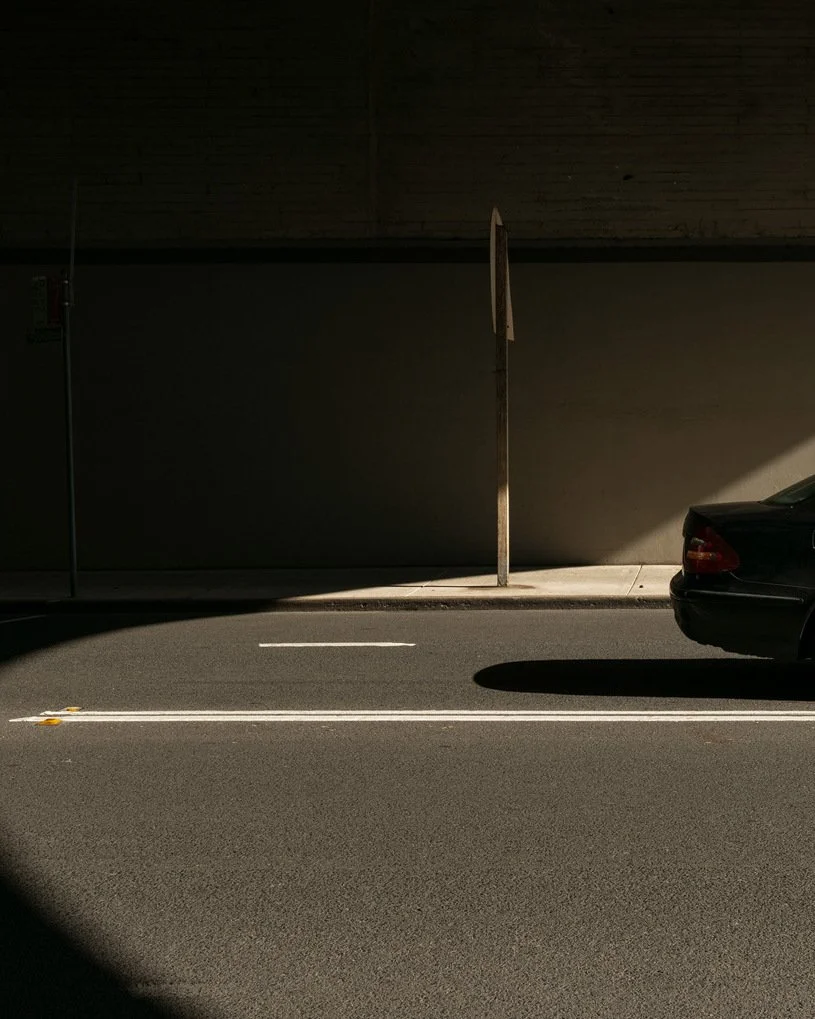
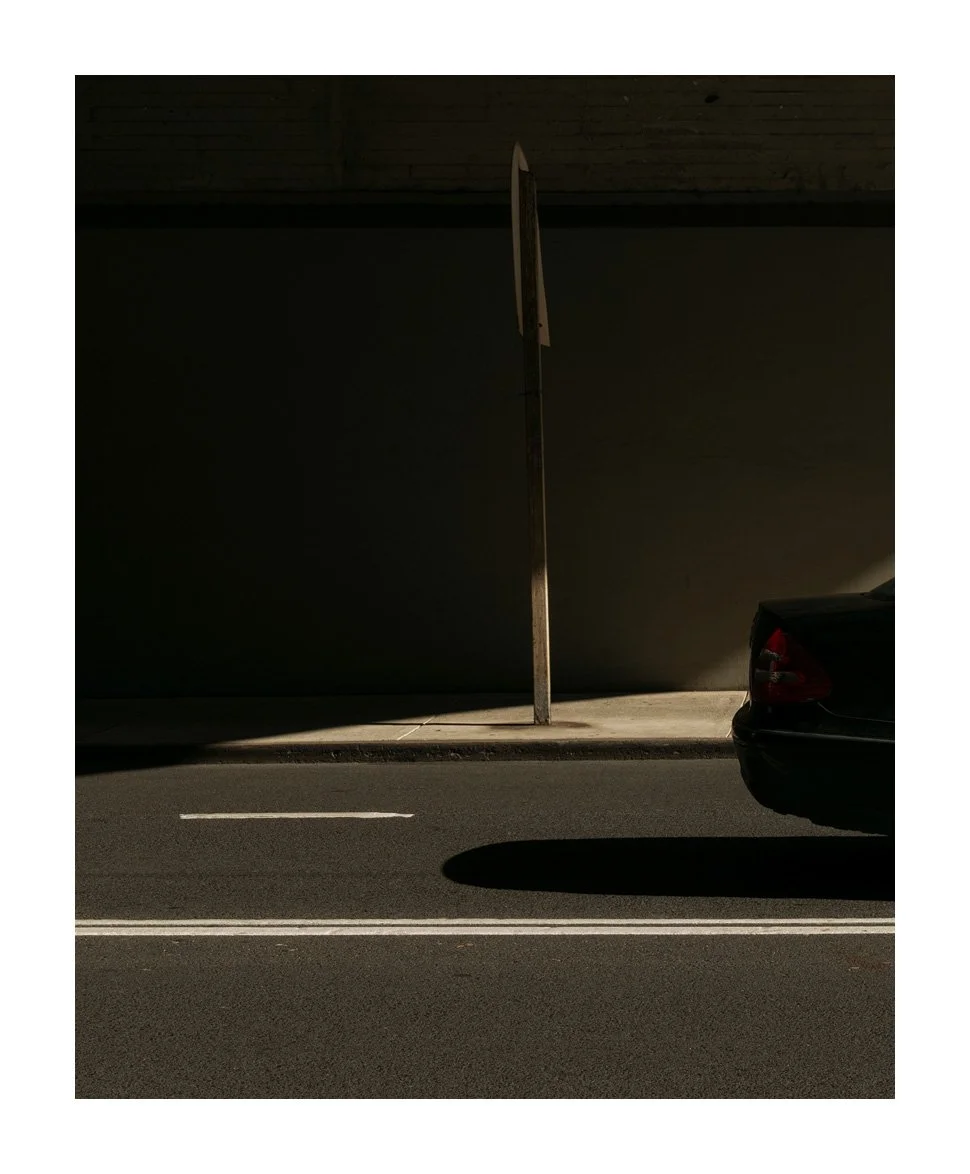
Loved the circular shape of this shadow under the Bridge in North Sydney. The back of the Merc adds a bit of mystery.

I’m hoping to get out on more photo walks this year around the city, which is always easier said at the start of the year. Even if you don’t take any photos, you have to consider the mental and physical benefits to getting outdoors and walking. I think we covered around 21,000 steps before we finished up at lunch, which is something. It sure beats sleeping in. More shots below.
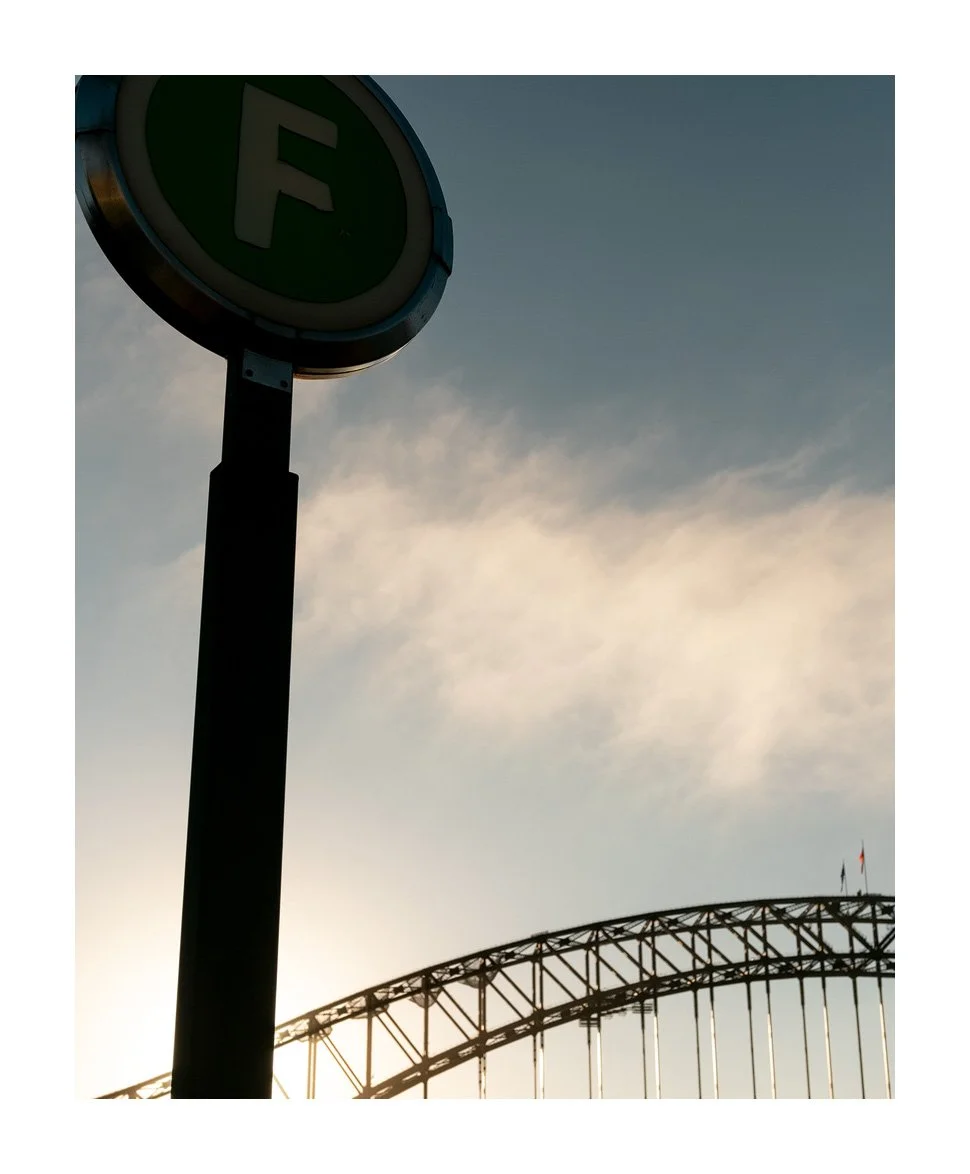
South Pacific Cruising With The Fuji XT5

I do enjoy a good photographic challenge, but what opportunities does a cruise ship offer? This wasn’t my first time doing the usual South Pacific run on a cruiseliner, but it was the first time I brought both a film and digital camera.

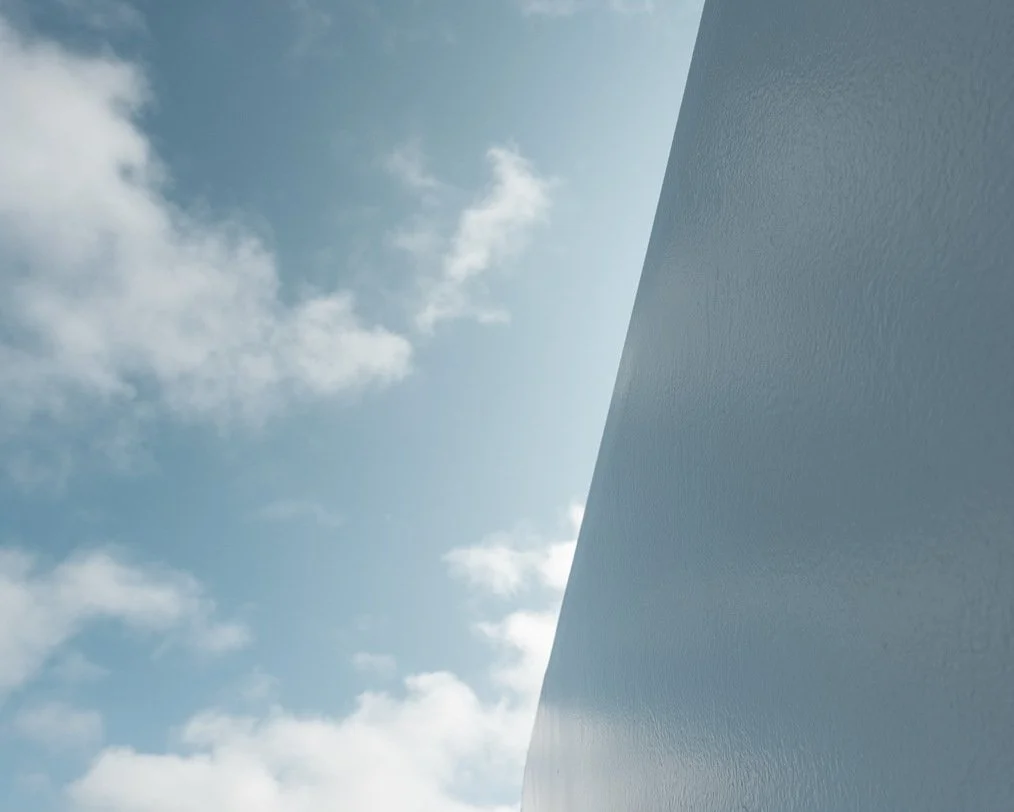
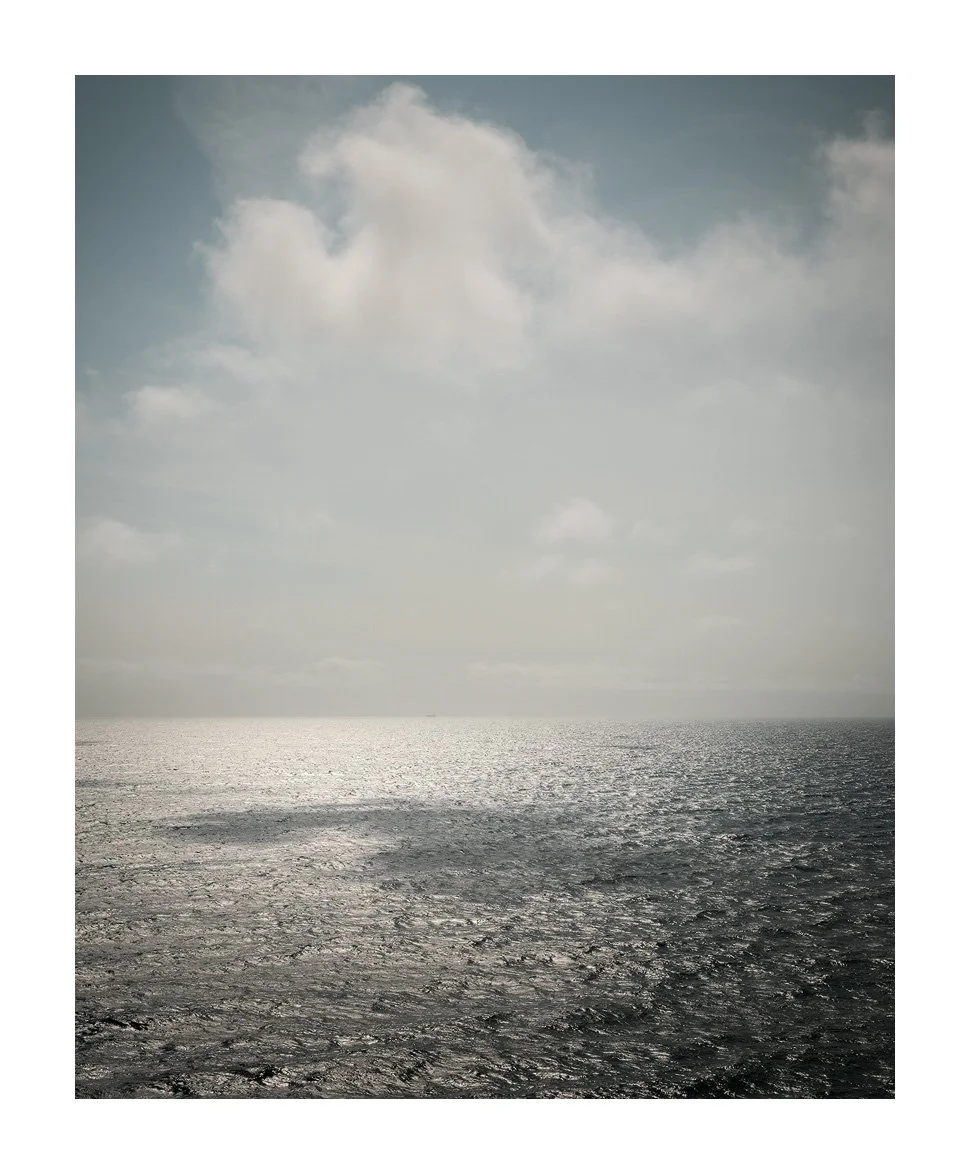
A South Pacific cruise distilled down to its most base form: sky and ship

My first thought was to get some minimalistic shots of the waterslides against a blue sky with cotton-ball clouds. Alas, no waterslides. Apparently, this ship was built for cold-weather climates. But we did have great weather and no significant swells (thank jebus), so what did I actually shoot? Well, not much, but let’s have a look anyhow.

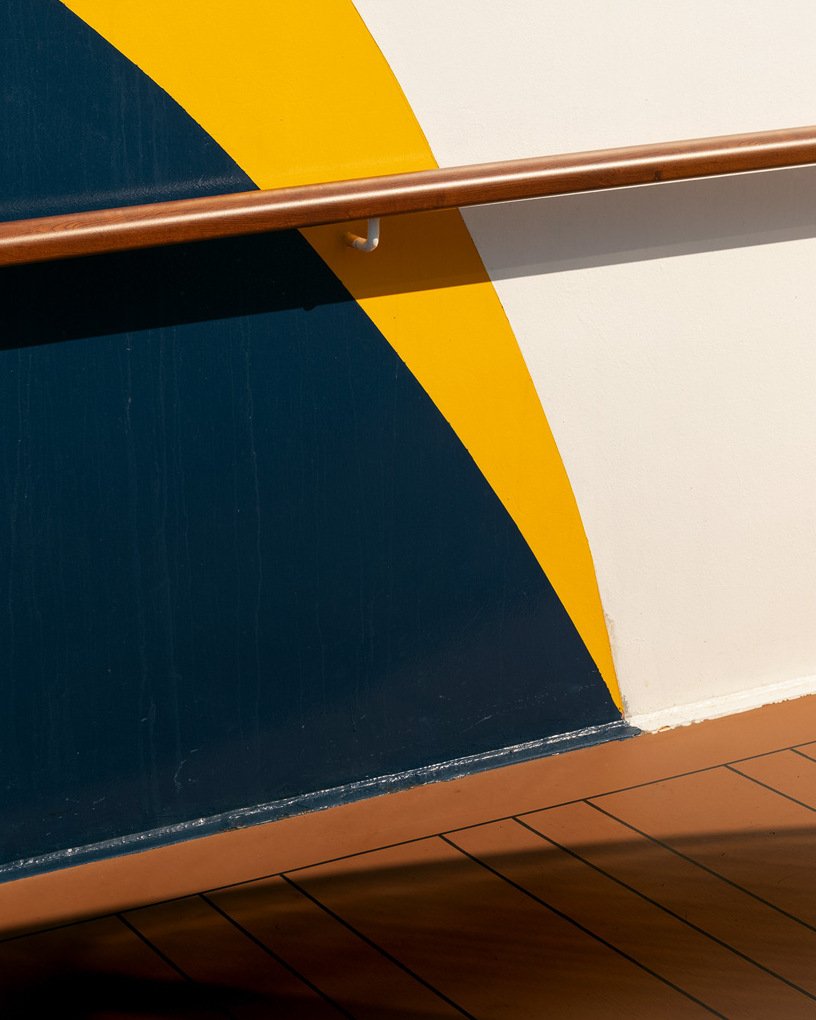
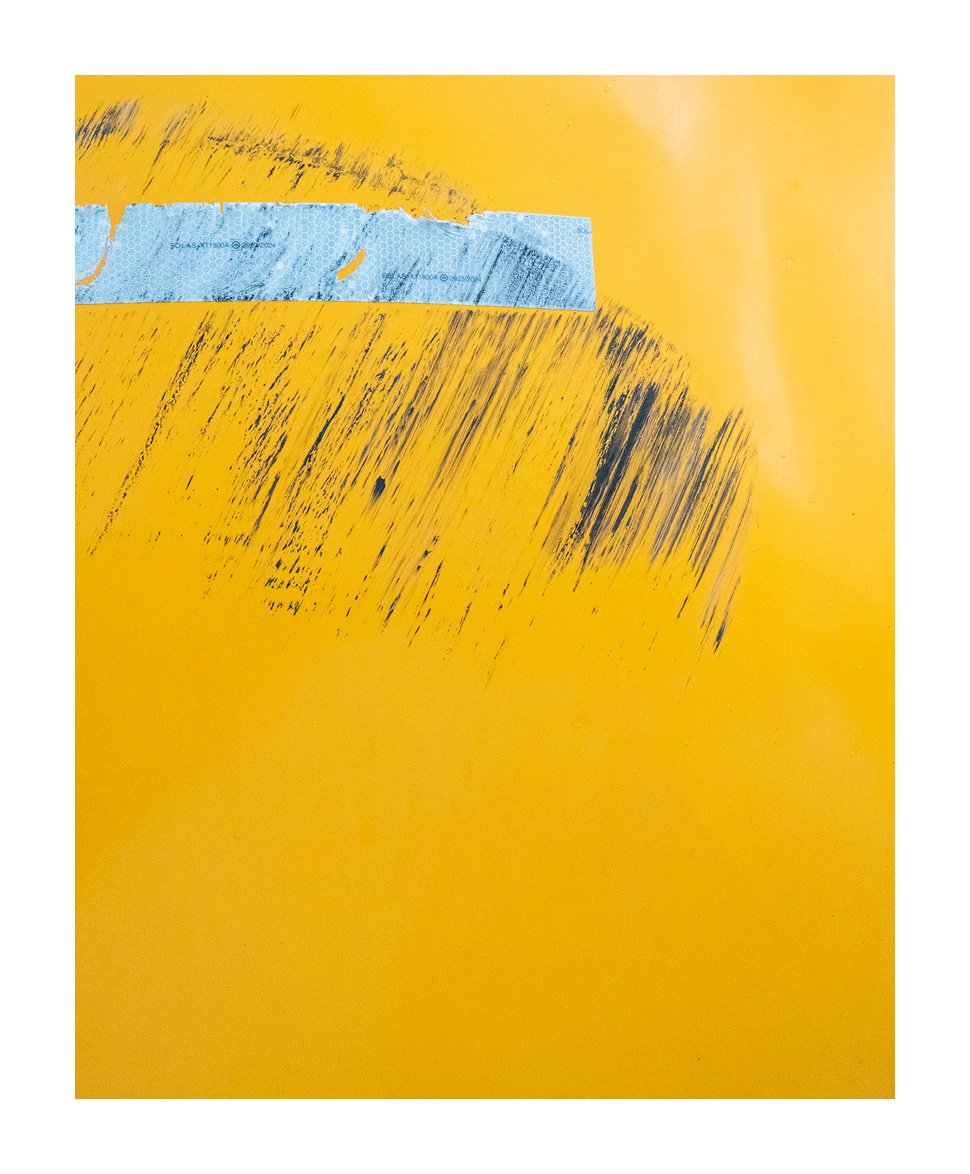
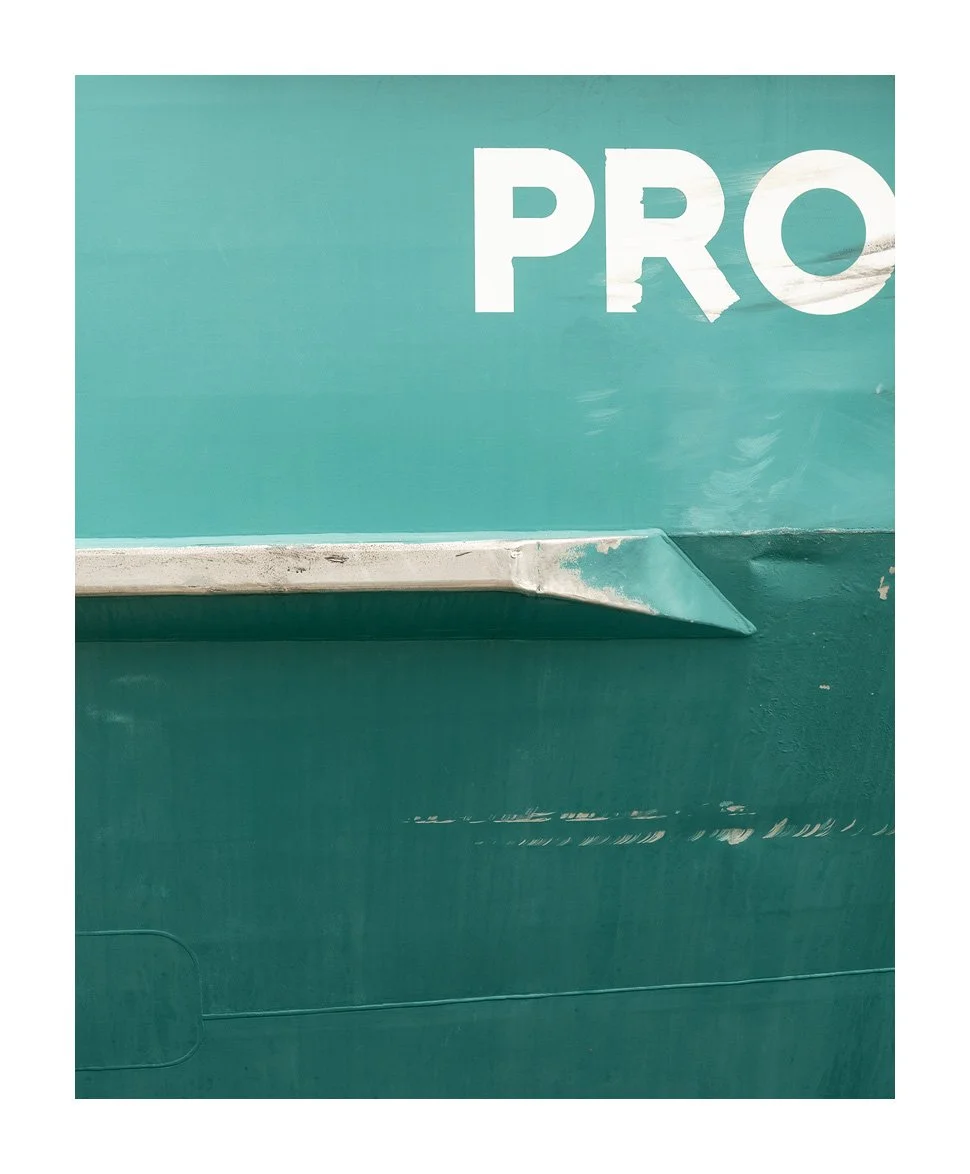
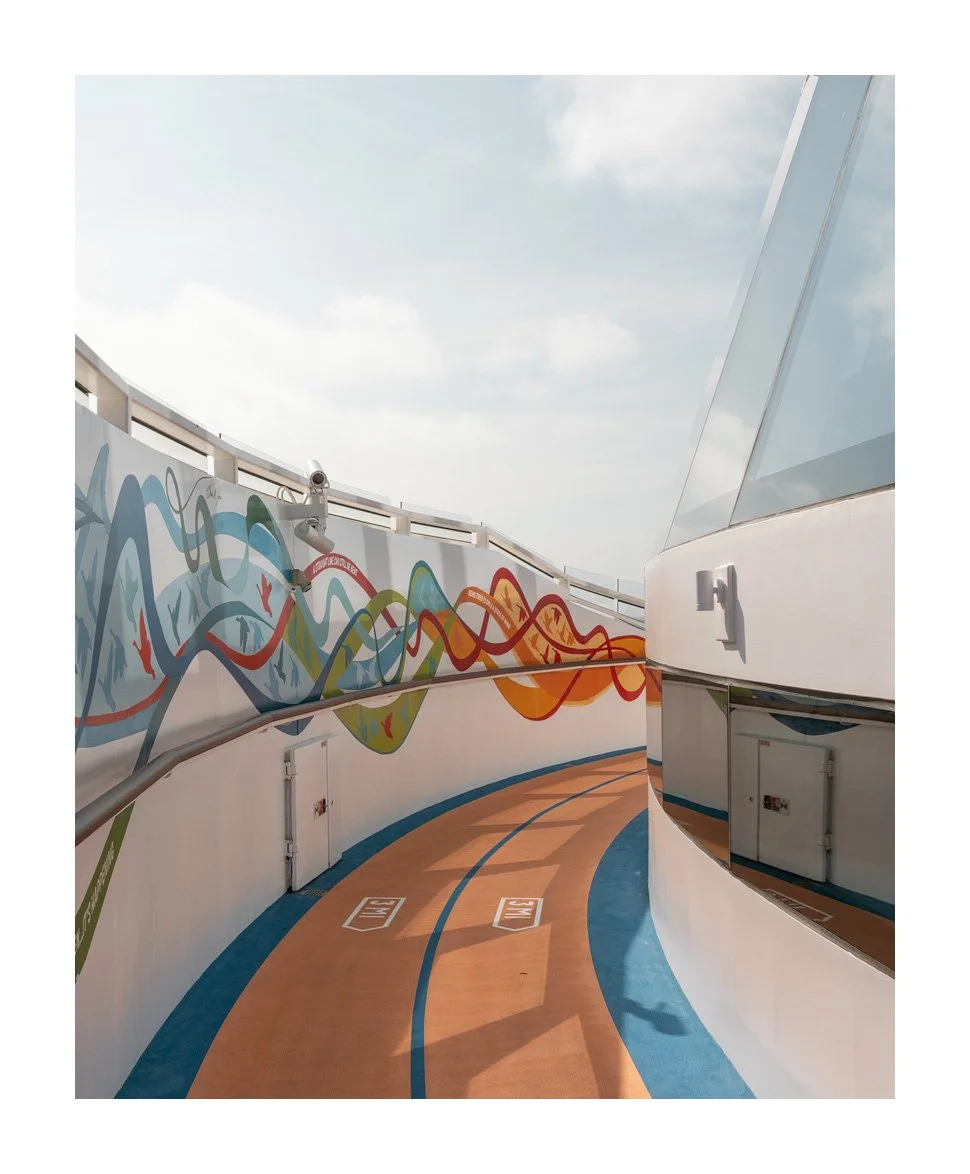
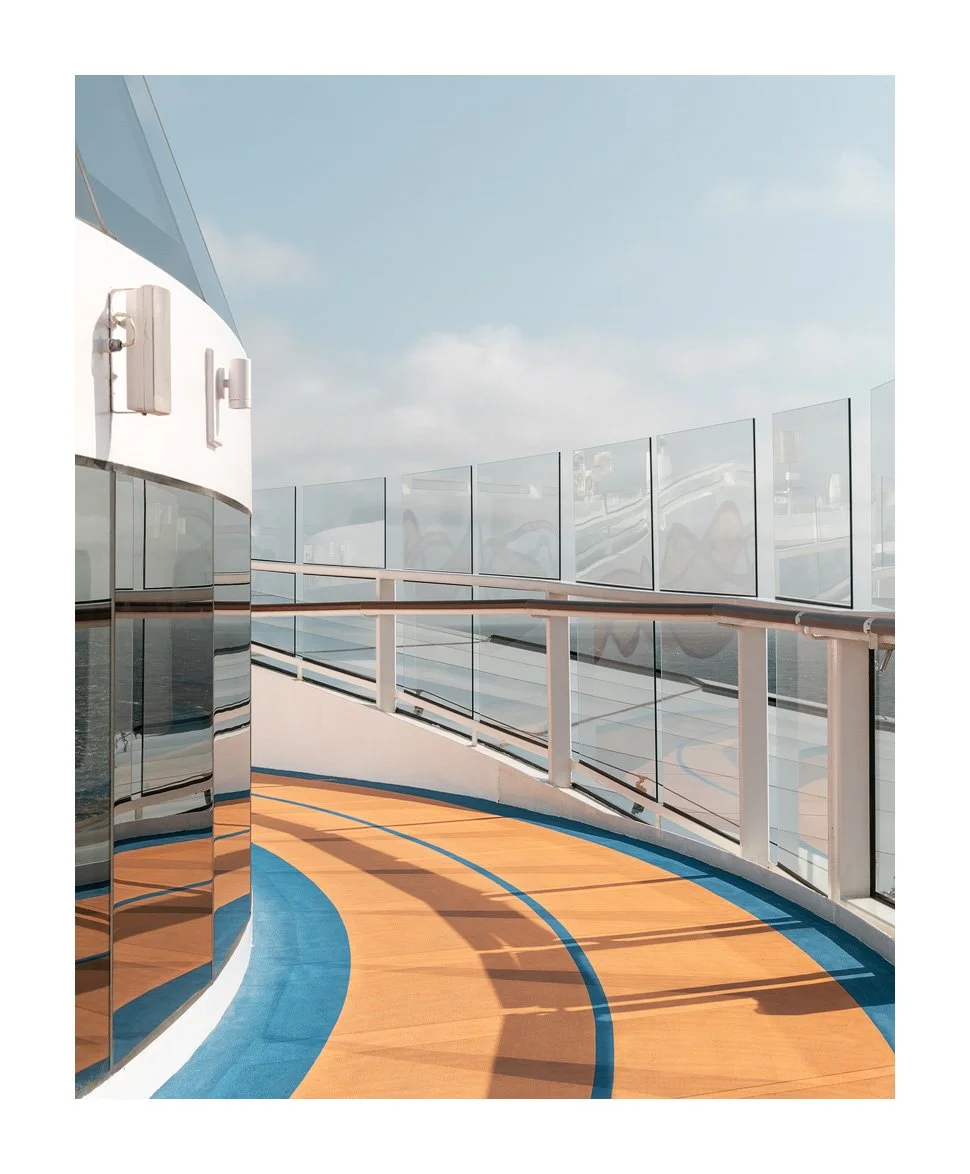
I generally like to start off by walking around the top deck of the ship, which is where all the action tends to happen. I often think a cruise would been a boon for a proper street photographer given the colourful collection of characters they tend to attract and the gaudy excess that goes along with it. Given my aversion to people in general, though, it’s not really for me. Instead, I focus on shapes and colours, interesting visual patterns.

This particular ship was in no shortage of attractions, with a Flowrider out the back, even indoor skydiving. There was a large gym complex with dodgem cars, pickleball, skating… You name it. It’s quite remarkable what they manage to shoehorn onto these ships these days.

Where possible, I think it’s good (budget allowing) to book a room with a balcony, especially if you have a camera with you. A few times we passed storms in the distance, but given the speed the ship was travelling at it would be easy to miss them if you had to leg it outside and up to the deck for a view. Speaking of which, that is my personal secret to staying fit on a cruise ship: never use the elevators. Trust me, you’ll have legs of steel after a week. And steer clear of the buffet. Nothing good comes of that.

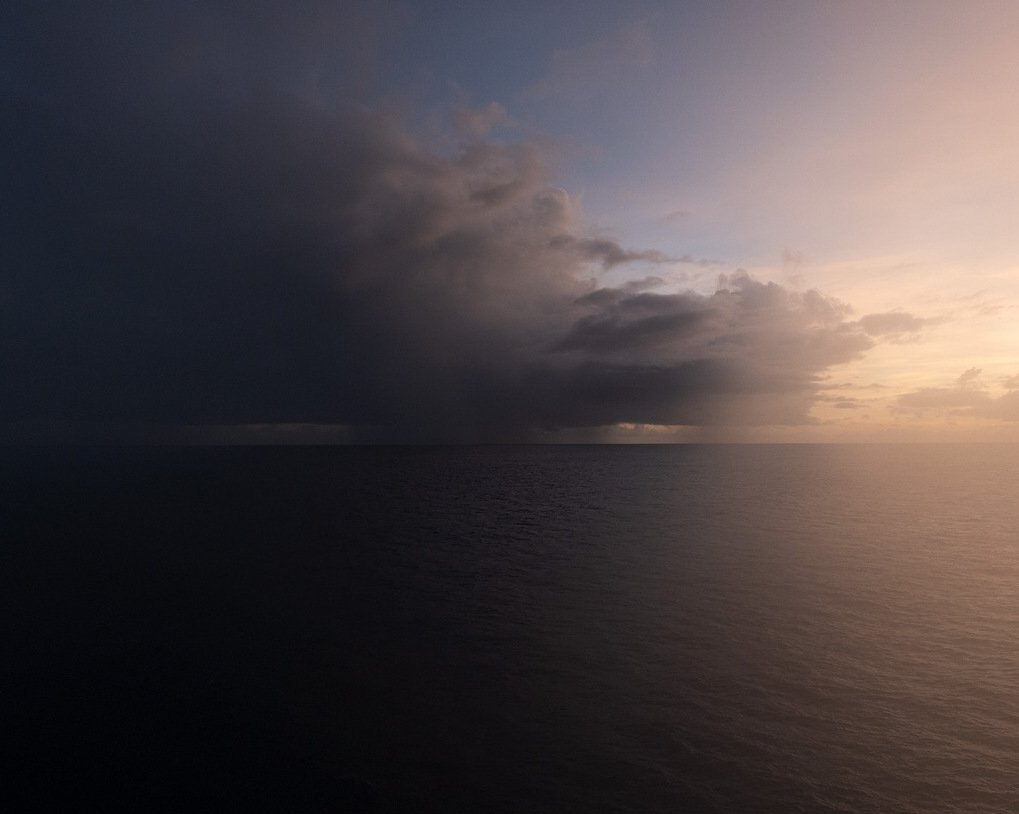
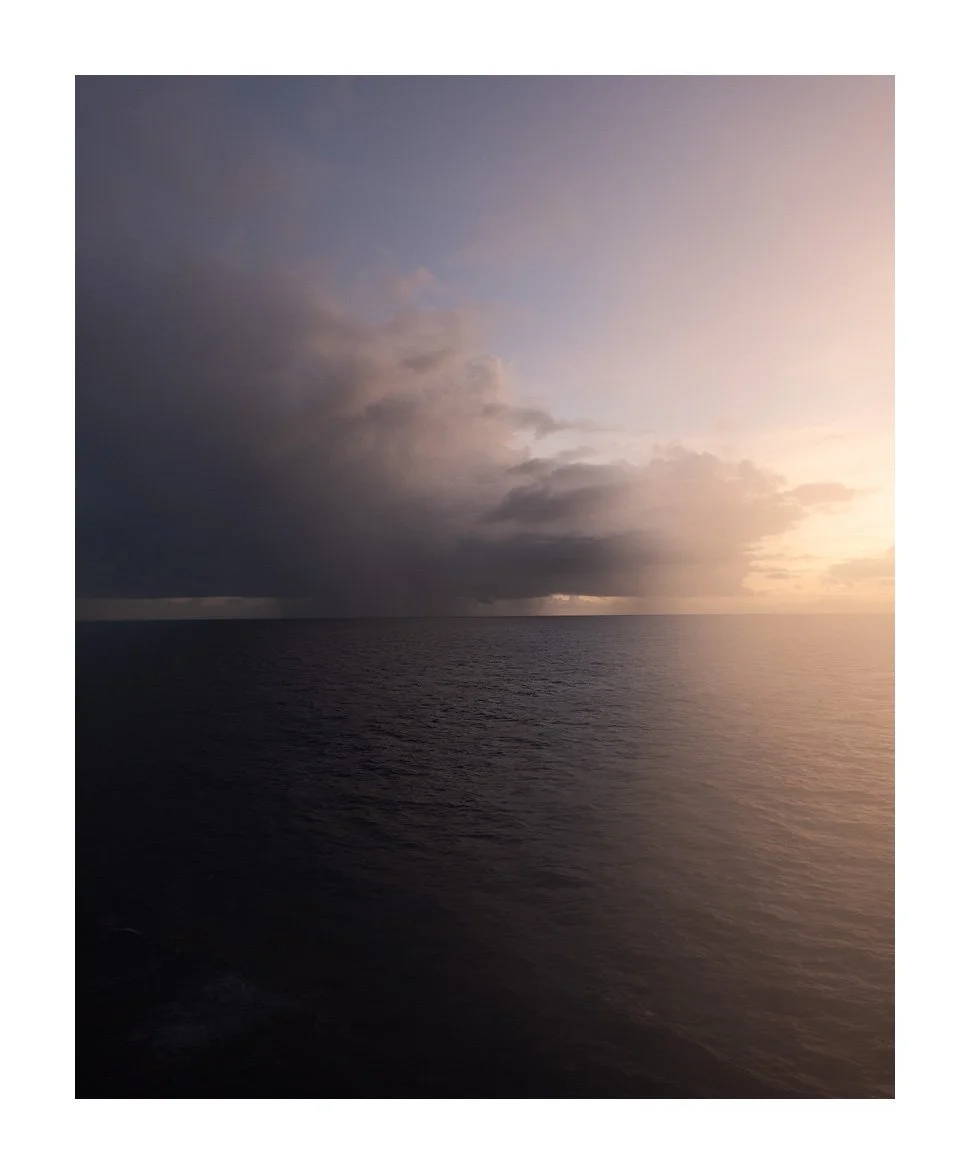
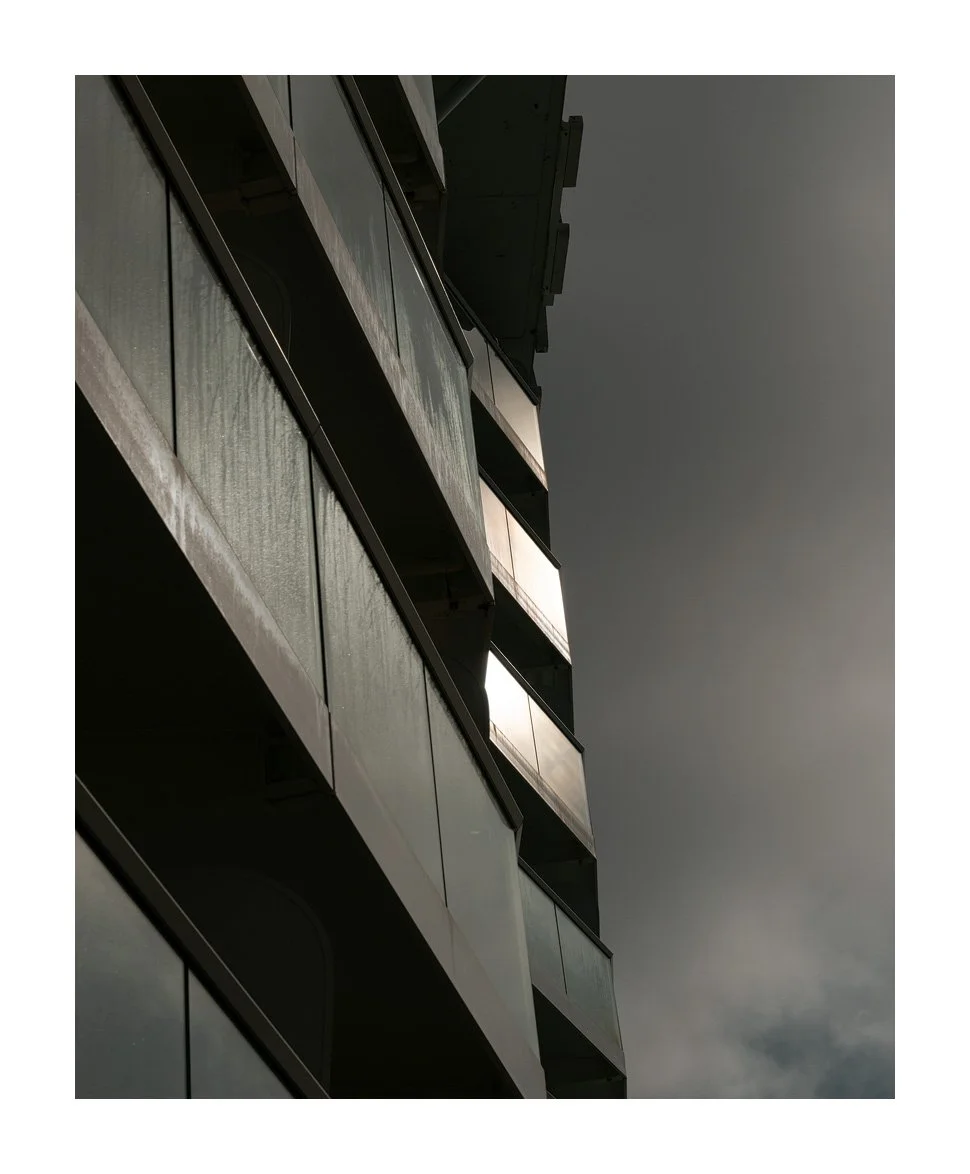
A broody storm brewing through the haze of ship exhaust.

I haven’t put the film in to be developed, but the digital shots came up okay. I think I’m still on the fence about the XT5. It’s such a capable camera, but I’m not sure if it inspires in the same way the GFX did. I think maybe I just need to spend more time with it. As I’ve said before, and especially when we were in port, the lighter weight came in very handy. There is no way I would have been lugging around the GFX and a film camera.

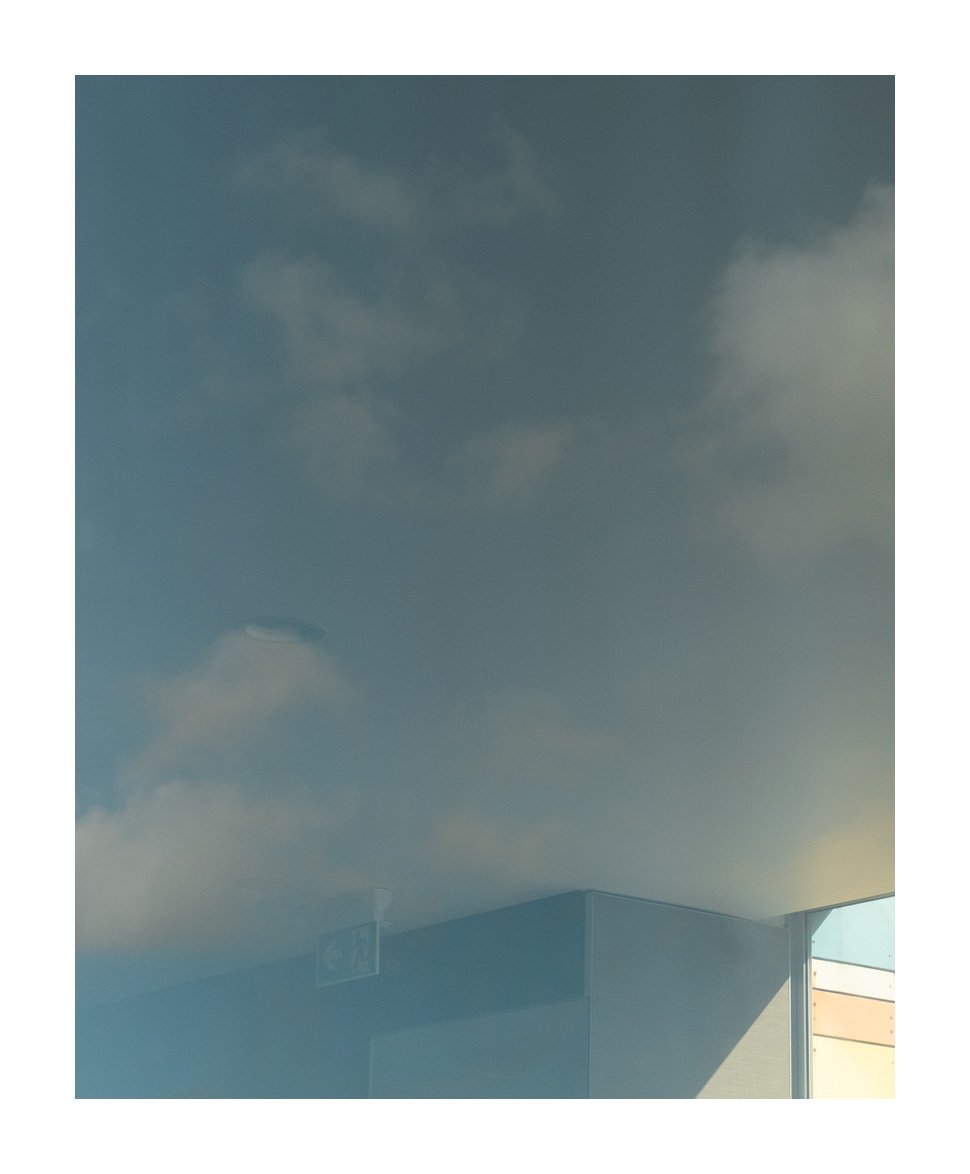
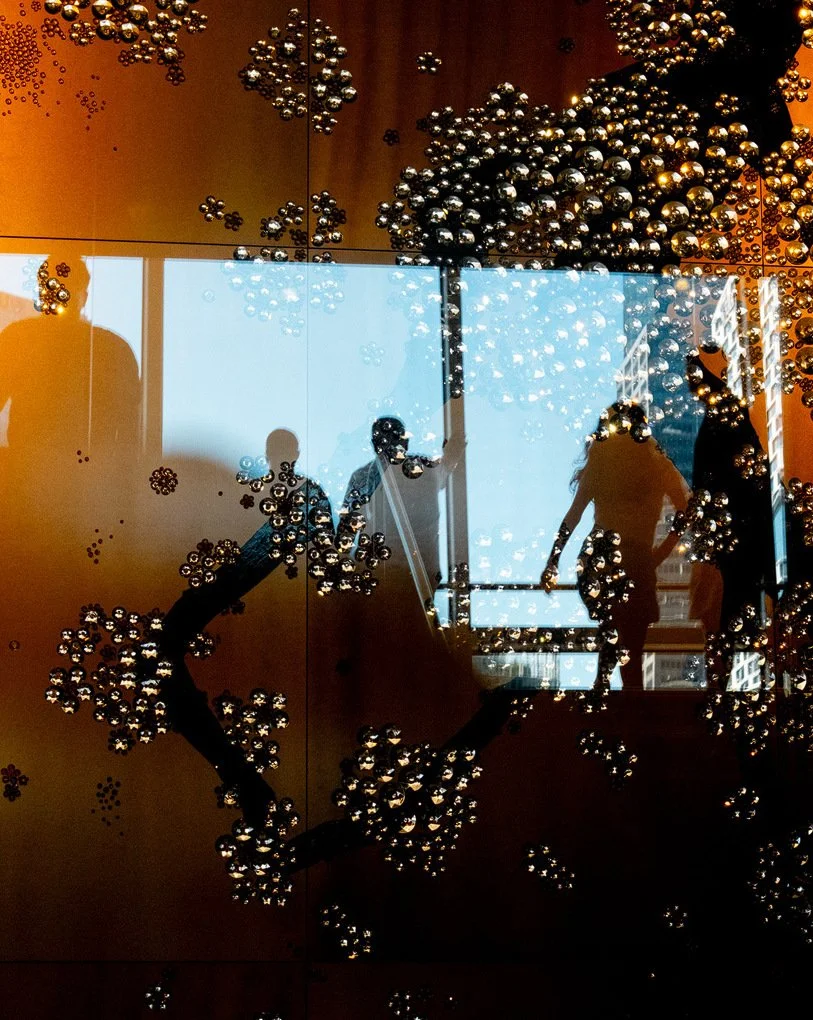
I quite liked the window reflections in the main atrium section of the ship.

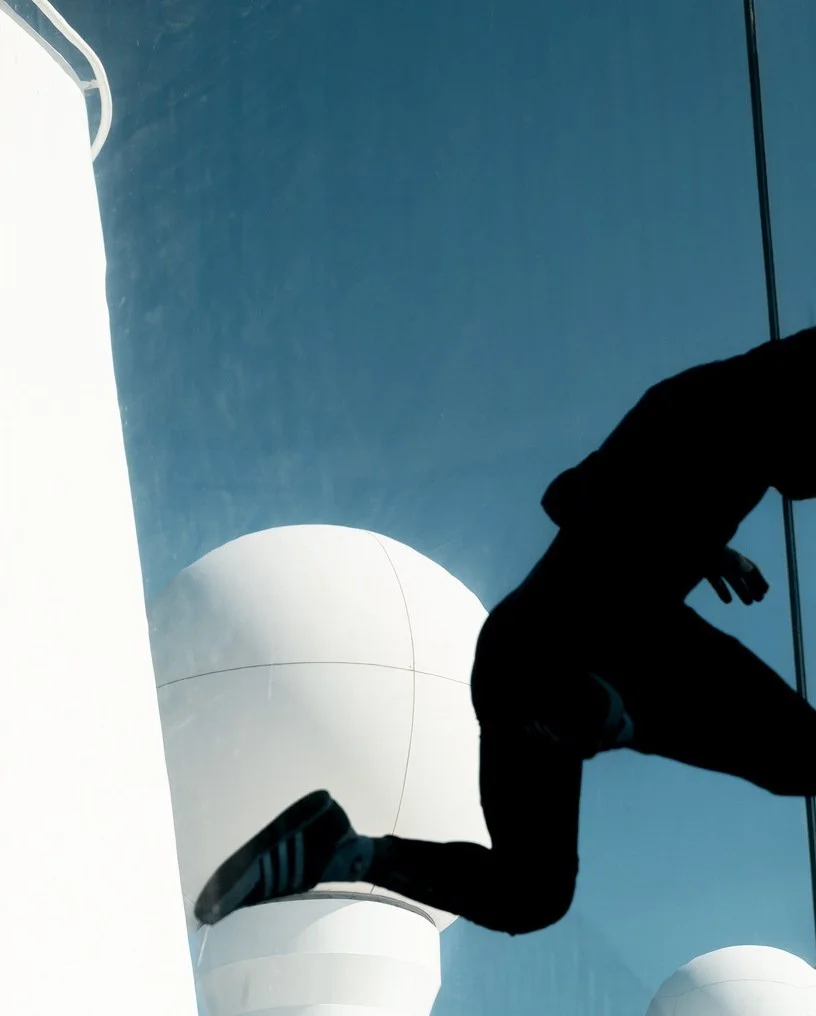
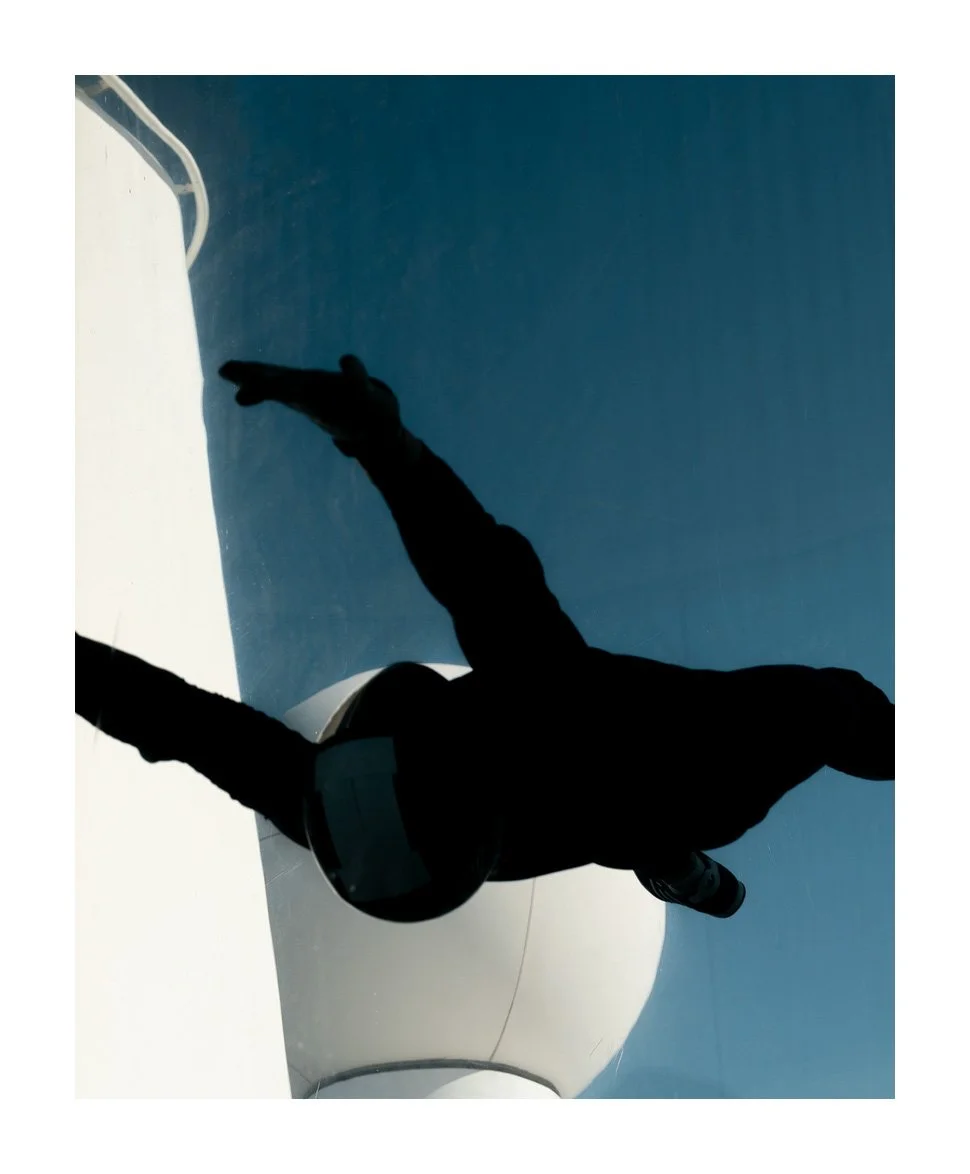
The aforementioned indoor skydiving on board, AKA iFly. This instructor clearly had a few hours under his belt.

Do I recommend cruising? Sure, it’s a great way to travel. You unpack once and don’t have to worry about public transport or which train to catch, about where to dine or what to do. There’s always something going on. Is it a little tacky, sure? But you kind of have to go along with it. It is what you make it, as they say, and certainly some locations, like Mystery Island, are as beautiful as ever. Scroll down for more images.

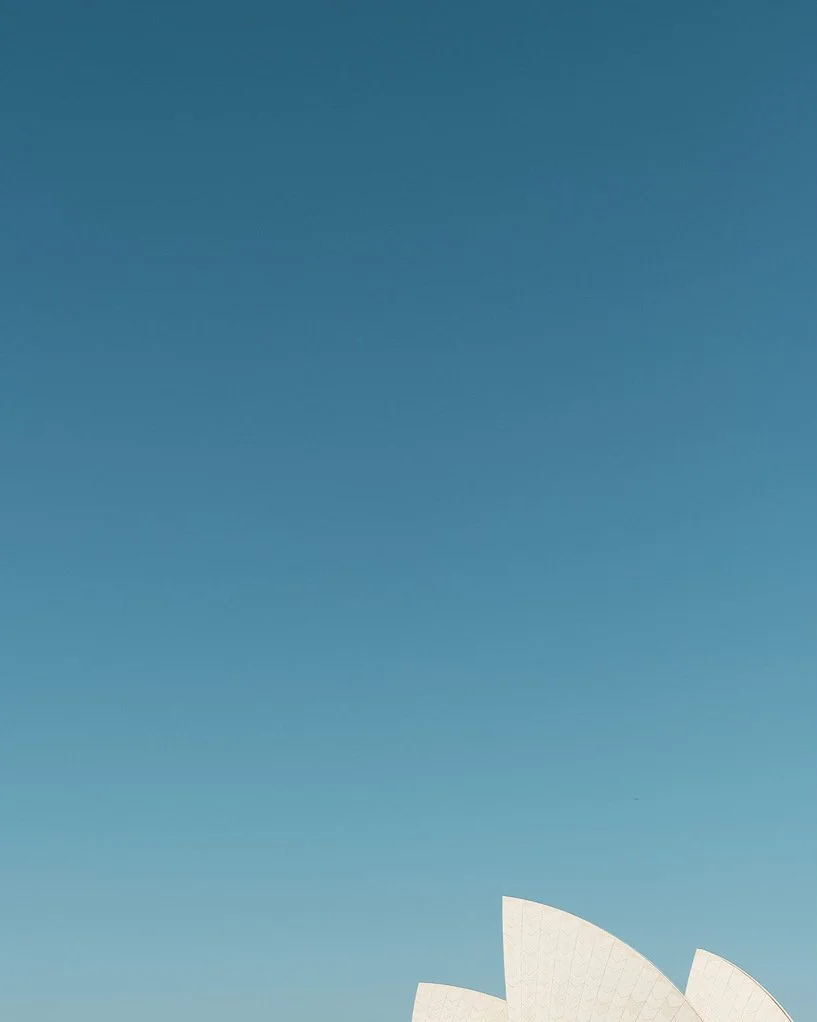
I never miss up a chance to shoot the Opera House. We actually arrived in Circular Quay the night before to avoid a large low-pressure system coming up the coast. It was magic waking up to this view out your window.

ICM Photography Part III

It’s been quite a while (years, in fact) since I put up a ICM (Intentional Camera Movement) post. I still get around to shooting ICM subjects in my native Sydney, but there have been a few subjects that have eluded me over the years. Let’s get into it.

The Museum of Contemporary Art. The jacarandas in the foreground really make it.

This is the Museum of Contemporary Art as seen from the Cahill Walk. I have had this image in my mind for quite a while, but I needed to wait until jacaranda season to make it work. During this time, you’ll find pops of purple all over Sydney thanks to these trees, and these ones in particular just happen to sit below the walkway and perfectly work as foreground to the museum and Sydney Harbour Bridge beyond. For the tourists among you, the Cahill Walk is the perfect way to get away from the crowds at Circular Quay and get a better vantage point of the harbour. Simply use the elevator at the end of the Circular Quay.

The warm colour of the sandstone works well with the purple of the jacarandas, I think. There’s also a nice sense of movement in the image. And who can argue with something as iconic as the Harbour Bridge in the background. Overall, it’s become one of my favourite ICM images to date. Check out this image to see how this vantage point looks without the movement.

Bondi Icebergs Ocean Pool. There are few places in Sydney as iconic, but this image has eluded me time and time again.

The equally famous Icebergs ocean pool at Bondi Beach is a subject I must have tried to shoot three times using ICM, always looking ridiculous shaking my camera ’round up top at the viewing spot. I just could never get it to quite work, so this time I really thought about how I would frame the composition. I wanted the blues of the pool to be very punchy surrounded by the wash of the ocean. The lifeguard in the bottom right is also a neat touch.

Afterwards, my son and I walked down and went for a swim. I’ve lived in Sydney almost all my life but have never actually swum in this pool. There’s something about it—doing laps in the sun (or storm, as it was this day), Bondi beach busy and lively. I know it’s very touristy, but if you’re in Sydney I’d highly recommended dropping in for a quick dip. Being a public pool, entry is reasonably cheap.

Sydney Town Hall. Another elusive location.

Recently, I discussed trading in my Fujifilm GFX50R for the Fujifilm XT5. These next ICM images were taken with that camera. What I have noticed is you have to be a bit more careful with the XT5 files, especially given the post-production abuse I level upon them making these images. Go too hard and banding and artefacts start to become visible. That said, the results are still great, plus it’s so much easier to get around the city with a smaller camera.

I’ve tried many different compositions of Town Hall in the centre of Sydney but could never really get it working the way I wanted. Recently, I tried again and think I got it. There’s a jacaranda tree and something undetermined in the bottom right, the movement enough but not overboard and the colours pleasing. It’s fairly heavy (dark) tonally in the bottom corner, but I kind of like that, as if someone really slathered on the paint there.

Saint Mary’s Cathedral. Quite a departure from my regular ICM style.

While I was out, I also swung by Saint Mary’s Cathedral on the other side of the city—another icon. I had also tried to shoot this a few times with no success and came to it a bit more prepared. There’s a long water feature across from the cathedral that is great for reelections, so I used this to eliminate some of the busy foreground. As always, I was using shutter speeds between half a second to two seconds, really trying everything terms of moving the camera with the ND filter in place (rather, holding it in front of the lens given I don’t have an adapter yet).

During processing, it looked good but wasn’t quite working until I dropped it into Silver Efex. The result was an extremely dark, almost haunting image that looked like washy watercolour or charcoal. I debated if it was too far or maybe too different from my other ICM images, but ultimately I’ve decided to keep it in, as I quite like the look. Although it looks extremely inky, there is detail in there at 100%.

All this to say I think I’m running out of subjects in Sydney for ICM. If you have any ideas, please let me know and I’ll do my best to accommodate.

Japan With The Fuji XT5

And so it was we headed to Japan this year for a family holiday. As these things go, photography is never a priority on these kind of trips, but I did manage to sneak in a few shots… though in a new direction.

This is my favourite image. It was taken at TeamLab Borderless in Tokyo, a kind of light and projection installation. This little girl was wearing a bright orange dress and sliding down one of the structures (to the dismay of a nearby security guard), but the lighting and shutter speed give it a painterly, abstract feel.

My wife and I last visited Japan twenty years ago (before kids). A lot has changed, yet a lot has also stayed the same. For one, the amount of tourists has increased significantly. Almost everyone I spoke to this year seemed like they were planning on going or had been to Japan. It really is the place to be, as evidenced how busy it is over there at the moment. And while it’s still ‘the future’ in many ways, there is also this strange dichotomy in which Japan is also stuck back in the ’80s—paper ticketing, cash and fax machines. I spoke to a local in Osaka who told me with an ageing population there is a mantra of ‘if it ain’t broke, don’t fix it’ and an unwillingness to change, especially in business. This was evidenced by major beer supplier Asahi suffering a cyber attack while we were there and having to resort to paper and fax again to get their product out. It really is a country caught in a strange tug-of-war between old and new.

The above images taken out of the window on the flight to and from Japan.

We did the usual run between Tokyo, Osaka and Kyoto. Apart from eating the country out of Kobe and wagyu beef, the kids loved it. There’s plenty to do. A lot of photographers would thumb their nose at visiting and taking images at popular tourist spots, but I always see it as a challenge. I was quite excited for TeamLab Borderless in Tokyo, maybe the most popular tourist attraction there, and also the golden pavilion in Kyoto, again as especially popular place.

More light-projection fun at TeamLab Borderless. I think the silhouette adds a point of difference.

I knew from my last time in Japan it is not an easy place to photograph. While minimalism seems ingrained in Japanese culture, the cities themselves are very maximalist. There is so much going on and so much visual clutter I find it hard to simply walk and find good compositions. What I ended up with then was a very different set of images that micro-focused on things like plays of light and very subtle compositions I hope sum up the experience there. I actually returned very happy with these images, some of which suffer technically but I think have genuine character and life. It was certainly a different approach.

Kinkakuji, or the Golden Pavilion, is one of the most popular tourist destinations in Japan. So, how do you take a unique shot of something that’s been photographed endlessly? Shoot through the water bottle you’re holding with a red umbrella in the foreground. Whether it works it up to interpretation.

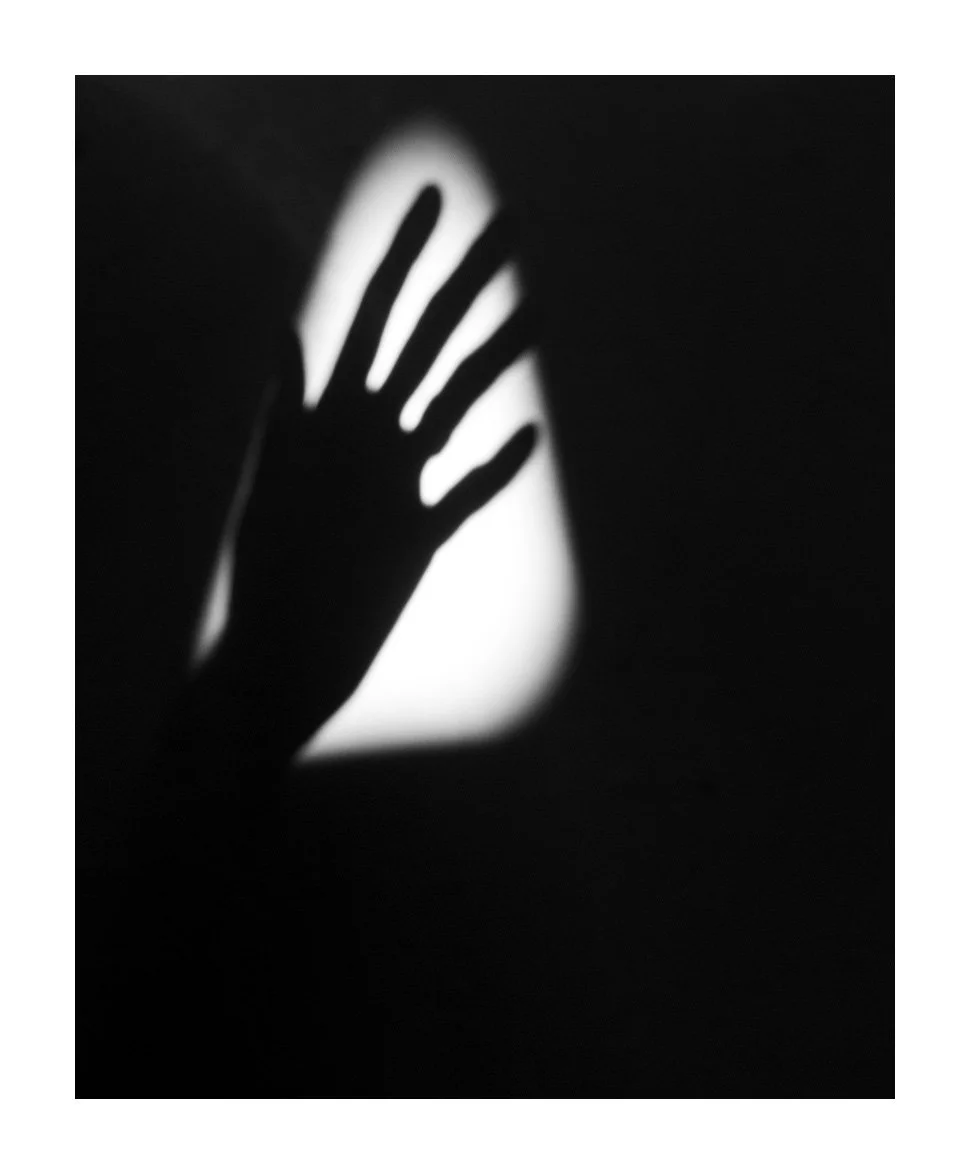
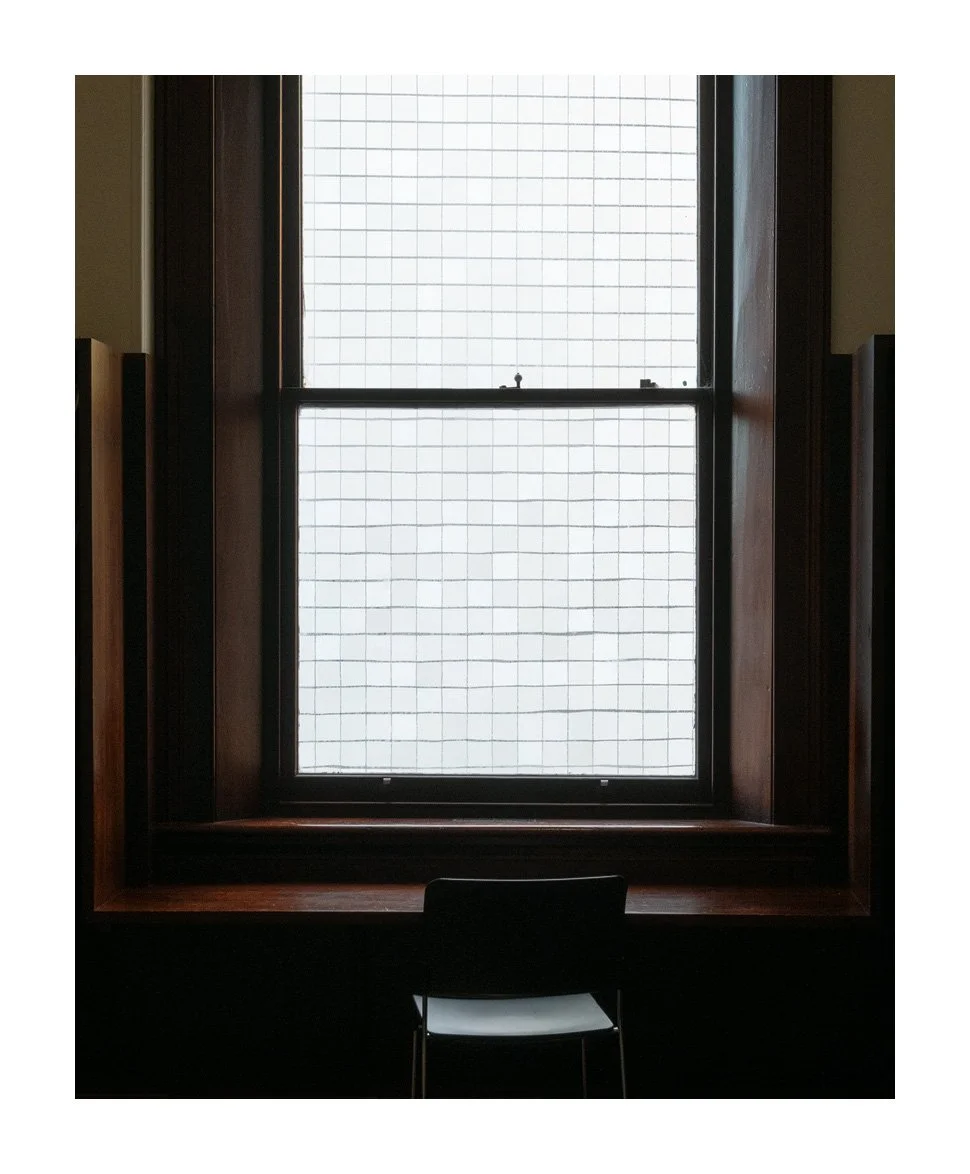
I’ve called this series Enter Hikari, the latter being Japanese for ‘light.’ Yes, I’m a big Metallica and Enter Shakari fan from way back, but I think it encapsulates what I’m trying to get across here—that light is the focus of my photography these days in all its many and varied forms. Moving forward, I think I’m going to push for this even more.

A better example of an image I might normally take…

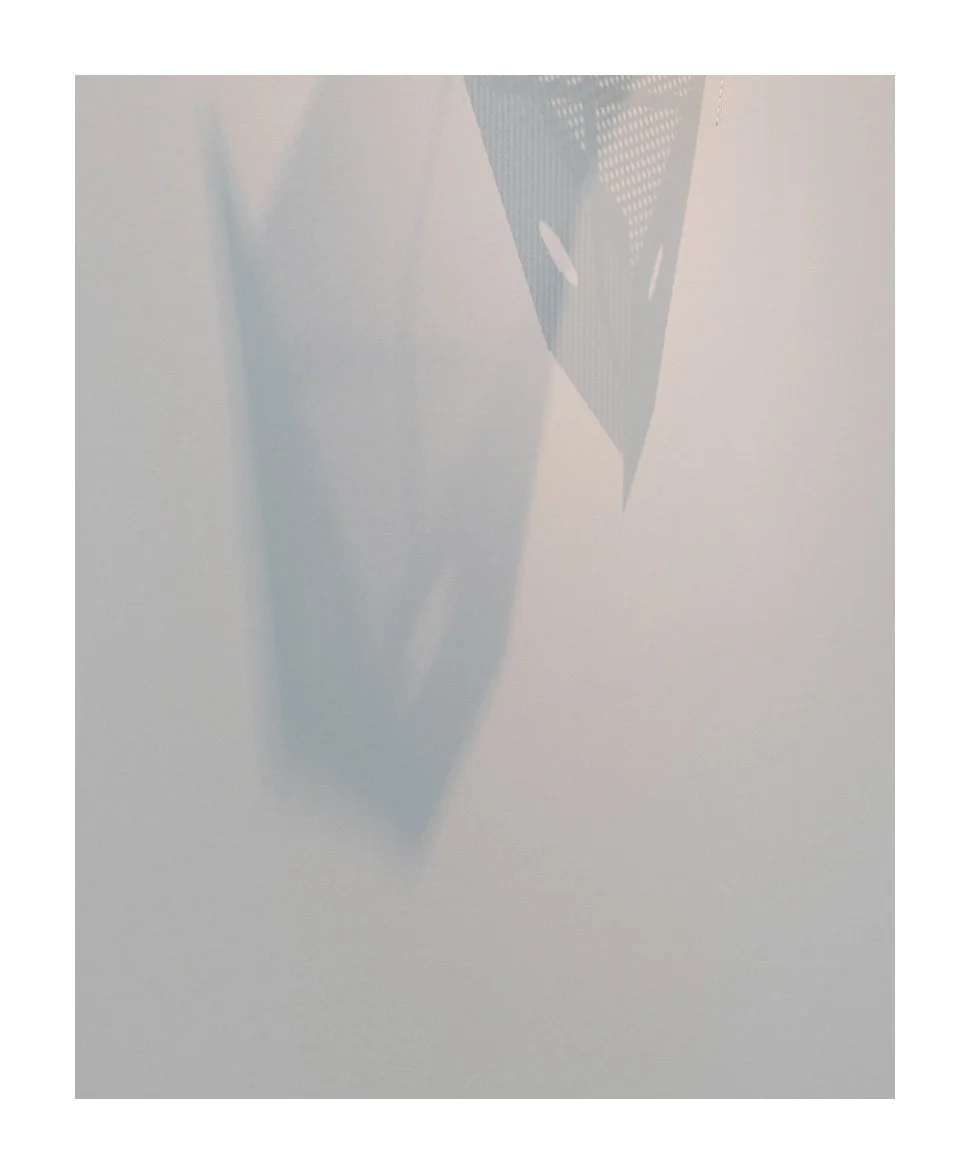
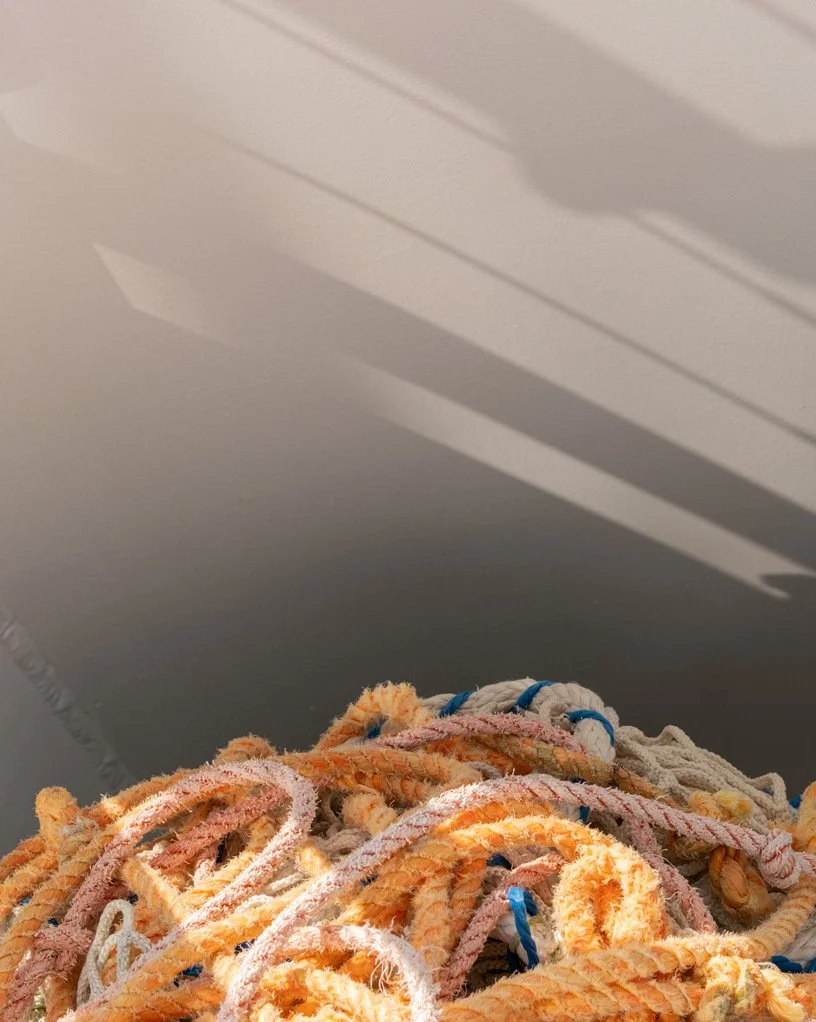
…versus what I ended up with. This is light falling on a wall at a cafe in Kyoto with, my wife assures me, very good coffee, which says a lot coming from an Australian.

Regular readers might also notice the shift from the Fuji GFX50R to the Fuji XT5. I’ve been thinking about this a while and decided ultimately I needed a lighter, more compact set-up for travelling. I have loved using the GFX, but combined with the 45-100mm lens it is quite heavy. I had been considering the XE5, but given the price it made more practical sense to go with the XT5 for its weather sealing and dual card slots.

So how is the IQ difference between the GFX and the XT5? During this trip I used what amounts to a kit zoom lens with the XT5. Although there is only 10 megapixels of difference between the two cameras, the physical size of the GFX sensor is much larger, so you will aways get more micro detail and more latitude in the files, but I was very impressed with the how the XT5 held up. I imagine most people looking at my images on the web would not be able to tell the difference between the two systems, but you do have to be mindful of blowing highlights and keeping in the back of your mind that the XT5 files aren’t quite as malleable as those from the GFX.

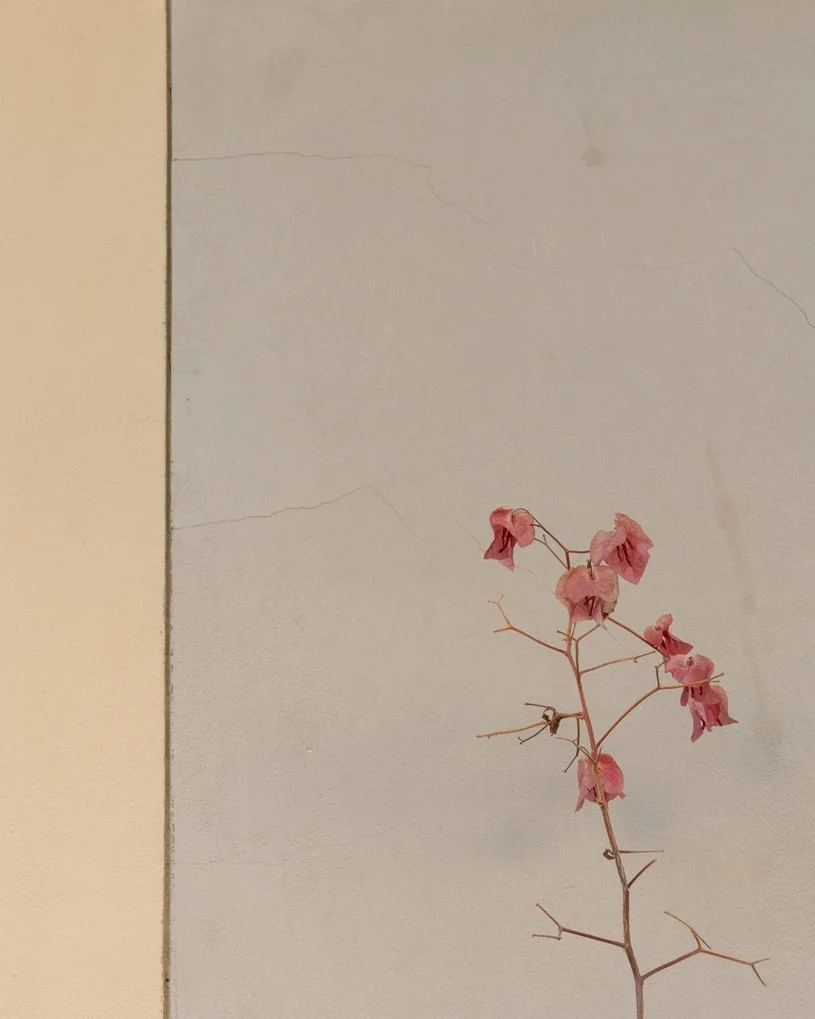
A significant amount of these images were actually taken in the various accommodation we stayed at as opposed to out and about. The textures and light gave this flower display, again, a painterly feel.

But my god is it nice having a light camera again. It almost feels like a toy in the hand. The autofocus is also far, far superior and quicker than the GFX, and the built-in IBIS blew me away. I took one shot handheld at 2sec and was surprised it was completely sharp all the way through. There was also a point where I accidentally bumped the ISO dial and shot a number of images over 12,000 ISO. Using Denoise in Adobe Camera Raw, I was shocked these images became usable.

Where to next then? We have a couple of family trips planned next year. I’ve also been shooting a lot of 35mm film, which has been fun, and I’m continuing with my Sydney ICM (Intentional Camera Movement) series. I’ll have a post on that soon. Until then, enjoy more images below or see the full gallery here.