
I’ve talked in the past about my film photography, notably shooting medium format with my Mamiya RB67 and also the Mamiya 7 for a stage there. As for 35mm, I’d always considered it a lesser format. It doesn’t have the image quality of medium format, the depth, and so on. Growing up in the 1980s and 1990s, everyone shot 35mm. Mum shot it. Dad shot it. My grandparents shot it, and subsequently had us sitting around for holiday slide shows all night.
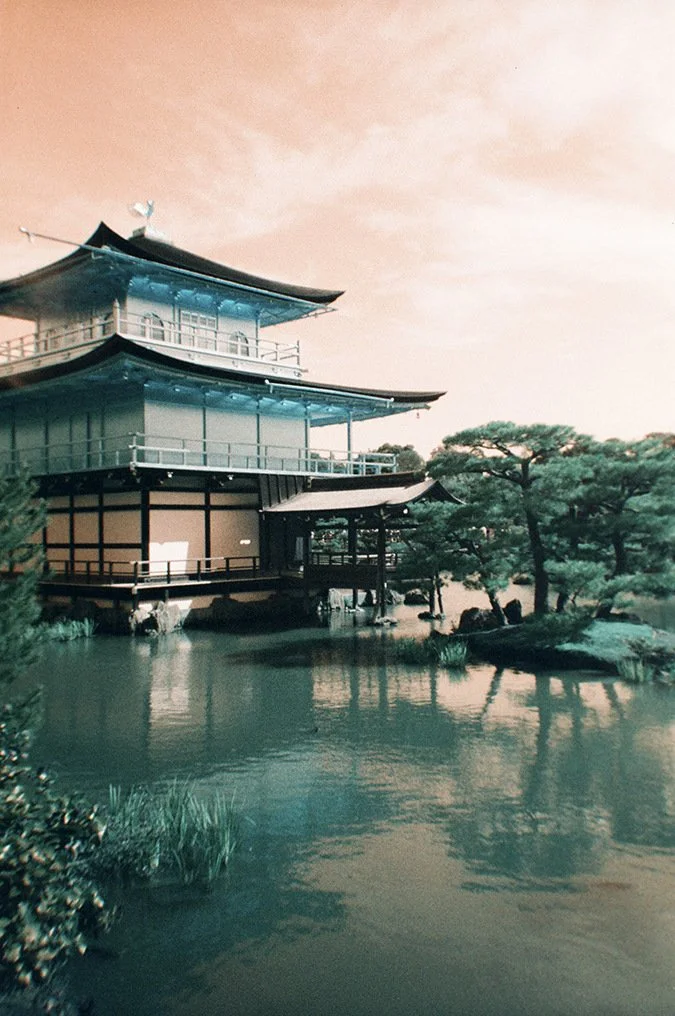
You can get all kings of wild 35mm disposable cameras in Japan. This was a Lomography LomoChrome Turquoise disposable at the famous (and packed) Golden Pavilion in Kyoto. Having a lot of light helped.
Sometime last year, however, I started getting the itch to shoot film again. I suppose a lot of us are looking towards more analog formats in an increasingly digital world, and especially with the prevalence of AI. You want something physical, tangible and real, and that means imperfection. I’ve embraced a bit of this imperfection with my digital work—lowering sharpening and learning to live with slightly noisy or out-of-focus images.
But film is expensive, especially medium format, and I was after something I could blast away frames with, not really thinking about it too much and hoping for that in-the-moment magic handheld film photography offers. So I decided to pick up a 35mm film camera.
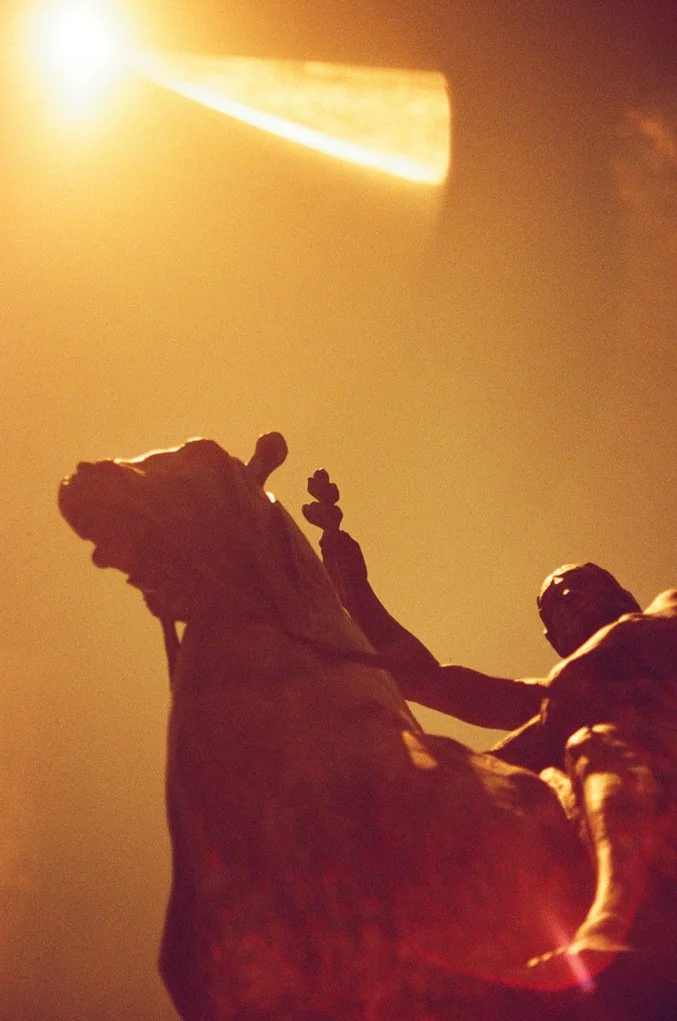
Lomography Redscale. Some interesting light here with the Canon AV-1.
What camera? That’s the question. There are near infinite choices here, but I wanted something as manual as possible, and as simple as possible. I had a Canon AE1 for a while, but sold it off because it was simply never being used. It was almost perfect as far as operation went, but I’m an aperture priority guy by nature. I didn’t even know Canon had made an AP version of this camera until I stumbled upon the Canon AV-1.
It's about as manual as you can get. You select the lens aperture and the camera detects shutter speed from 2sec to 1/1000. There’s also a bulb mode and a kind of exposure comp ‘cheat’ button for backlit scenes, which actually does come in useful when you want to overexpose. I picked mine up for around $250 with a Canon FD 50mm f2—kind of midrange lens. Most tend to opt for the optically superior 50 f1.4, but hey, I wasn’t after perfection.
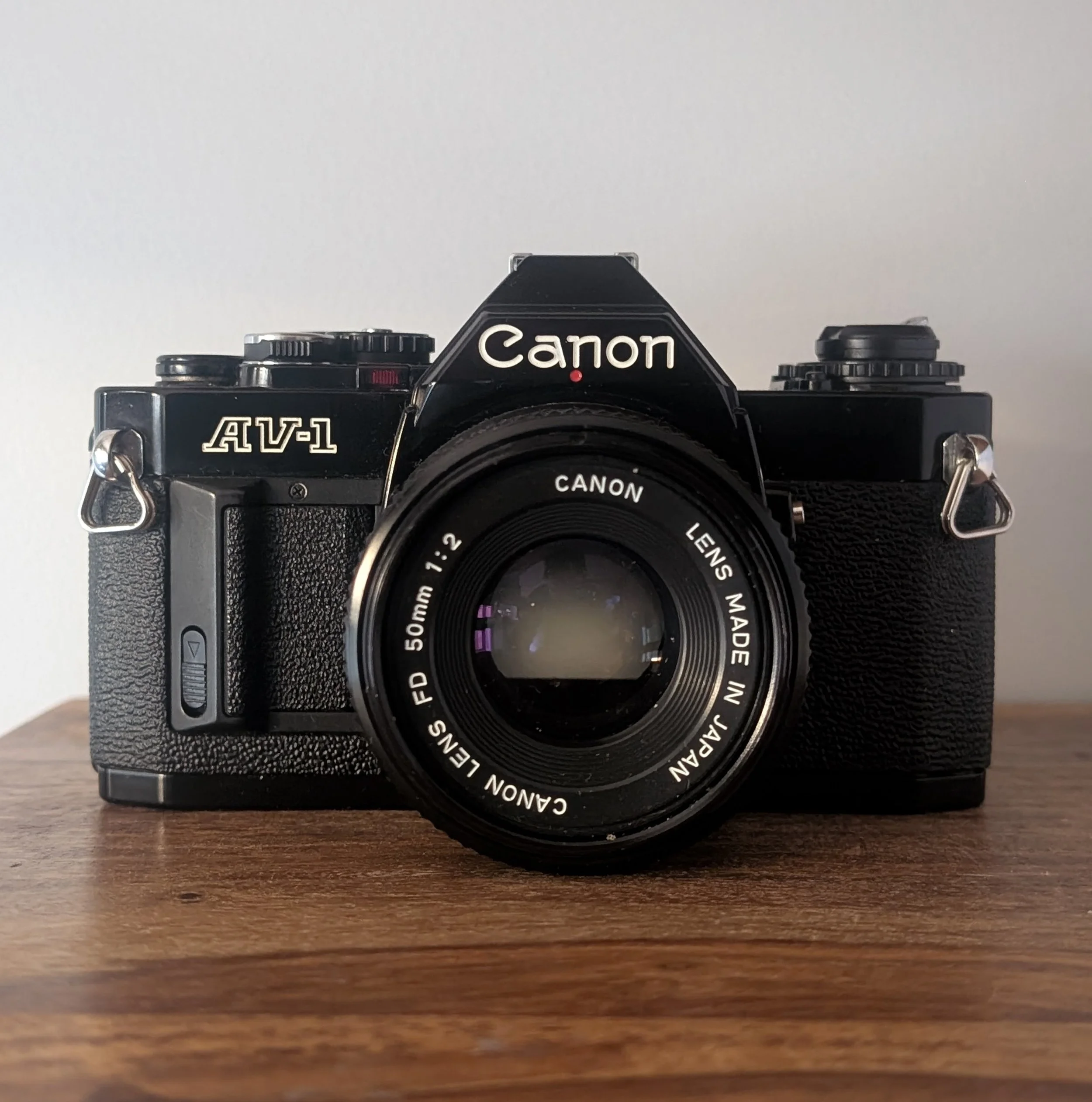
What’s it been like? In a word, fun. It brings the spontaneity back to photography, and god is it nice hearing that shutter and winding on. It’s such a beautiful, mechanical process you simply do not get with digital. There was a bit of trial and error with loading, forcing me back to YouTube once or twice, but I think I’ve got the hang of it now.
The real fun part, though, is choosing film. In recent years there has been a real influx of new and unusual films on the market given the resurgence of film photography. I did a bit of a deep dive and grabbed some of the crazier films I could find hoping, again, for that don’t-know-what-you’re-getting magic.
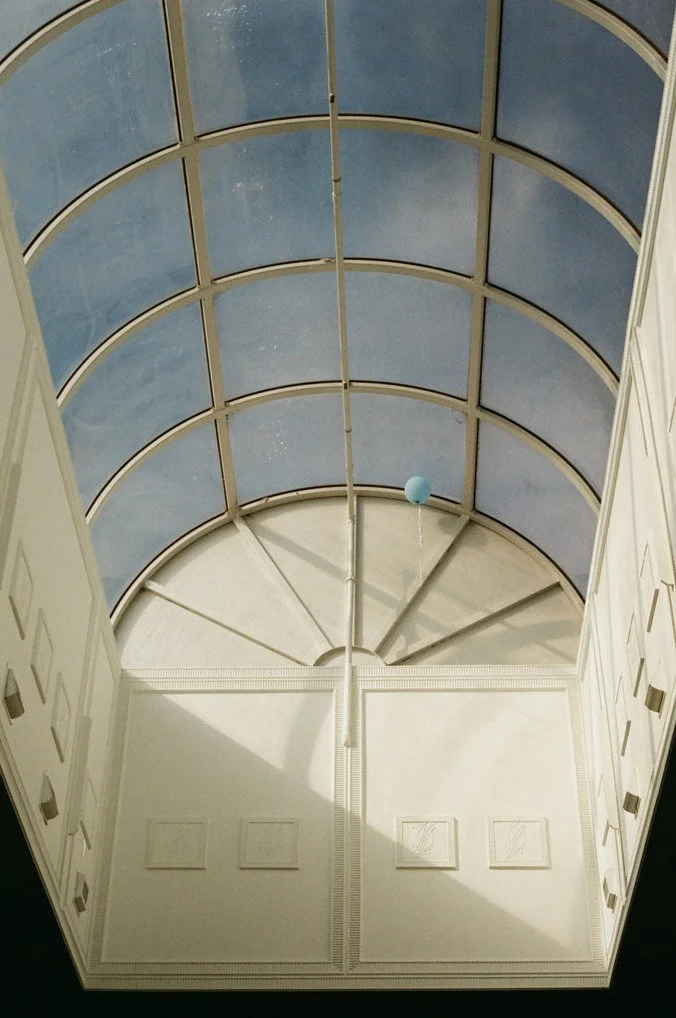
Try as you might, it’s just impossible to get this look, these tones, from digital. This is Kodak Gold 200.
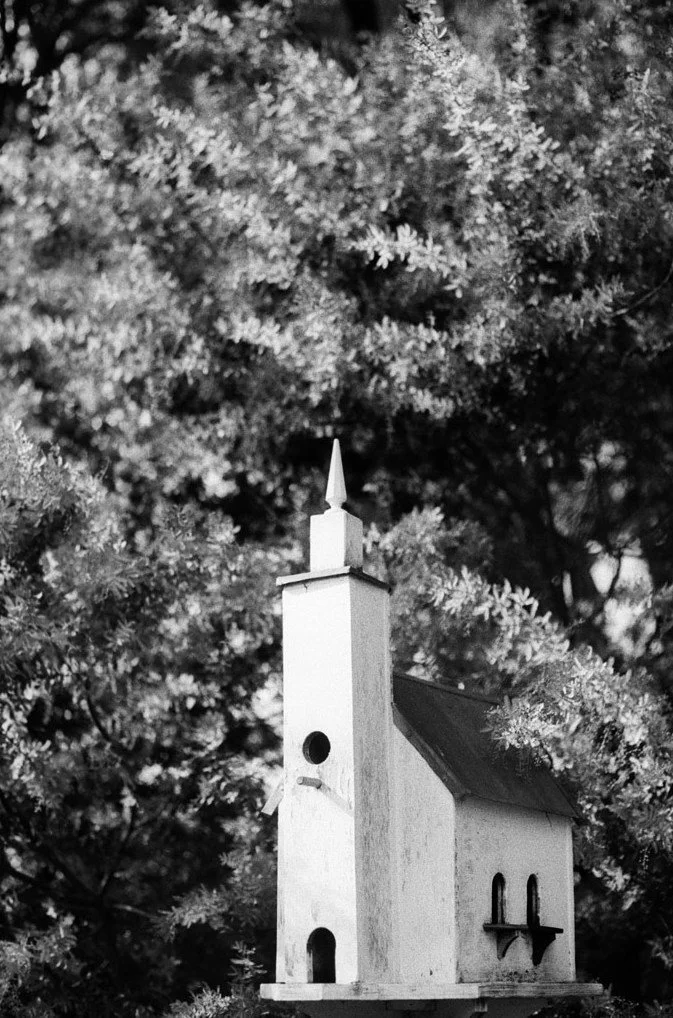
I’ve been trying out various black-and-white films, including Kentmere and Ilford. This is HP5.
What I’ve found especially crazy is seeing many of the digital photographers I follow who shot film way back in the day (and swore off never using it again), now coming back into the fold and picking it up again. It’s addictive. In a world where everything is now, now, now, gimmie, gimmie, gimmie, waiting for something is a breath of fresh air. And no editing required. That’s another plus: less time in front of a screen. I usually do some minor cropping, a slight colour adjustment, but that’s generally it.
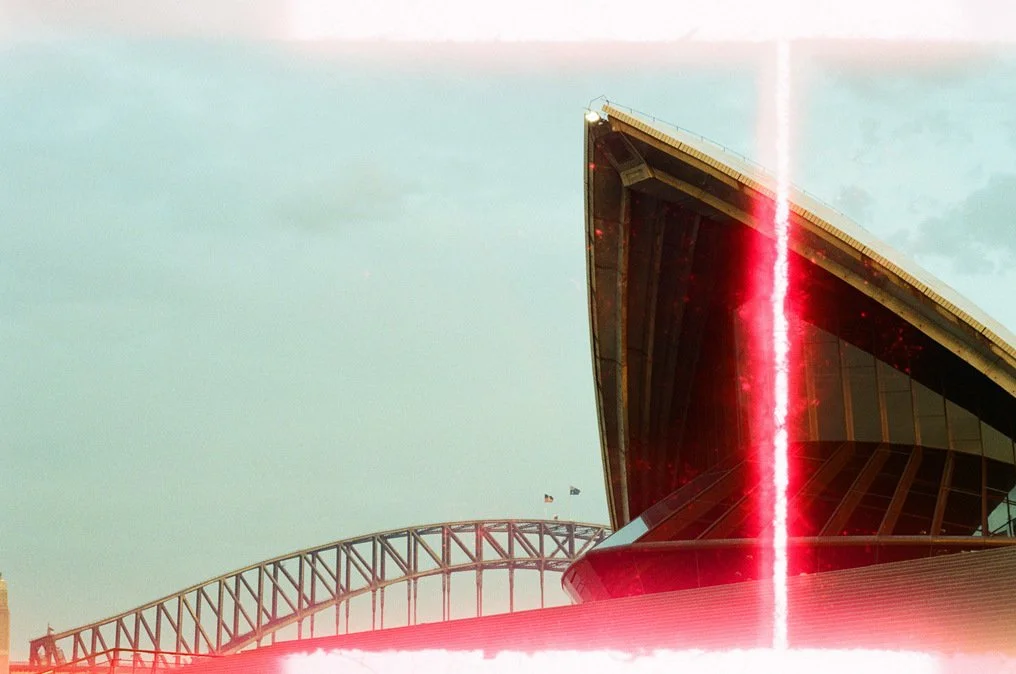
So this is a very strange film from US company Psych Blues. They hand modify each roll to create these random effects, like this alien attack on the Opera House here. This is Psych Blues 5.
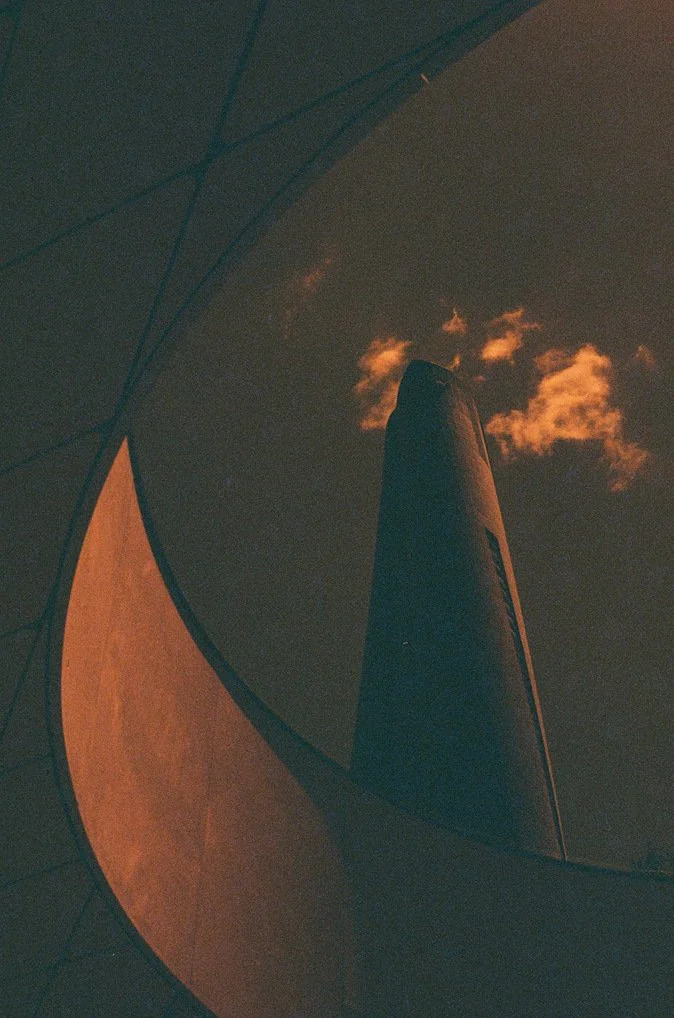
This spot in Barangaroo is a real fave of mine, with the Crown building in the background. It matched the feel of the day given the scorching 45 degree temperature.
As for processing, I’m using Irohas Photo Film Lab here in Sydney. It’s a slick production that gets your scans back within the day, often within an hour. The pricing is also very competitive. The guys there are well connected to the Sydney film community, happy to answer any questions and so on. Highly recommended.
I’ve still got six or so rolls here of random films to shoot. Some of them are quite obscure, so let’s see how they go before I decide to get back into medium format again (It’s going to happen).
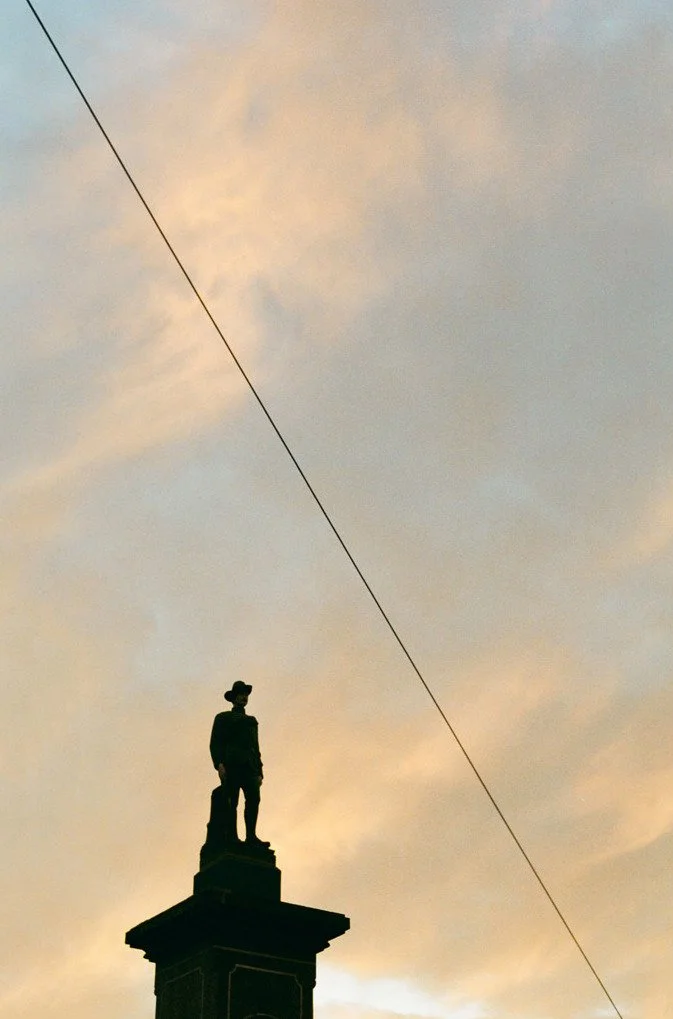
Kodak Gold.
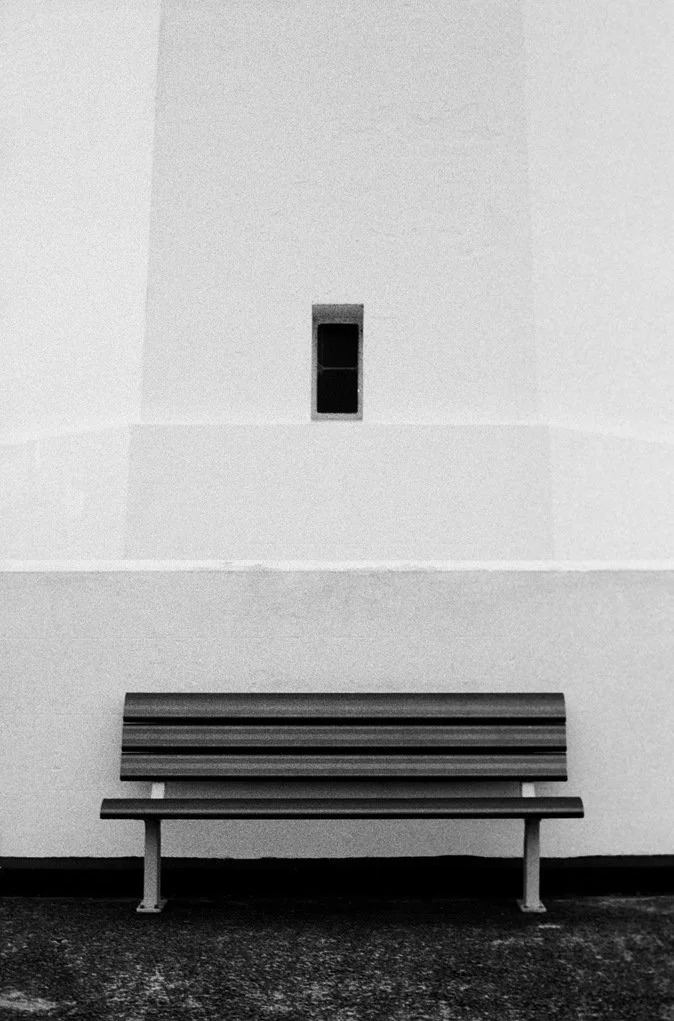
I have come to love the grain. As they say, grain is good.
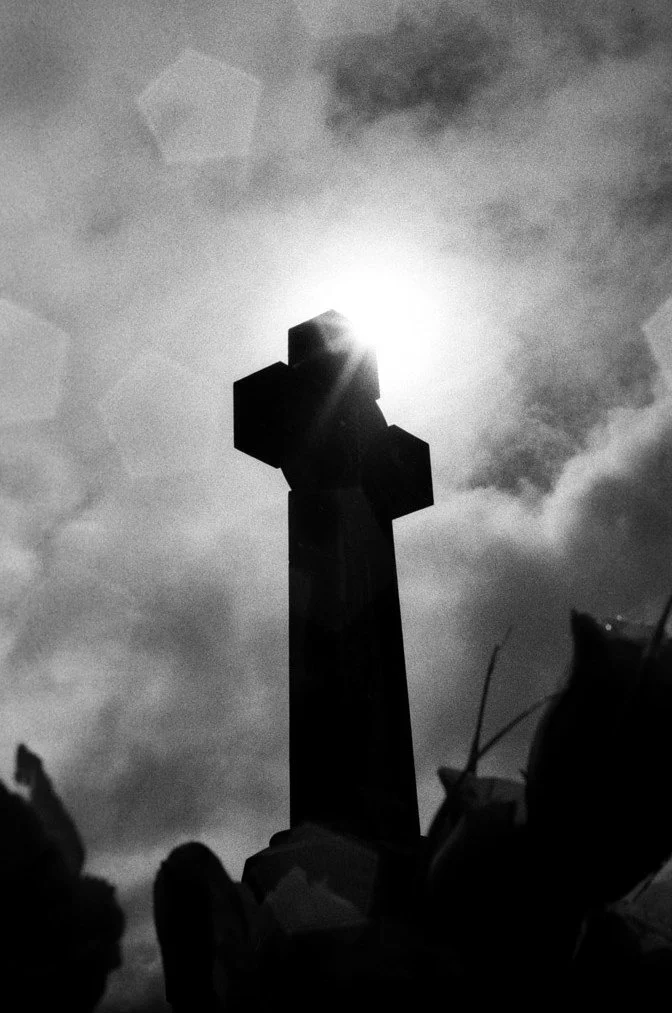
Rather strange bokeh from the Canon AV- and 50 f2 combo, but I quite like it.